Back in our thirties, we could practically roll out of bed, tie our laces, and sprint a 5K before the coffee even finished brewing. These days, the “morning roll-out” involves a lot more clicking and popping. While we may no longer be the “sports cars” we once were, we’ve traded that in for the reliability and torque of a classic diesel truck. We can still go the distance; we just have to be a little smarter about how we prime the engine. If you want to keep your running streak alive without your local physical therapist becoming your new best friend, it’s time to embrace the “C” word: Cross-training.
The Physiological Shift: Why Change Matters
As we cross the age-50 threshold, our bodies undergo specific physiological changes that directly impact running. Muscle mass naturally begins to decline (sarcopenia), and our connective tissues—tendons and ligaments—lose some of the “spring” they once had. Furthermore, recovery times extend; what used to take 24 hours to bounce back from may now require 48 or 72.
Cross-training acts as a strategic buffer. By incorporating low-impact aerobic activities, you can maintain your cardiovascular engine (VO2 max) without the repetitive “pounding” of 2.5 to 3 times your body weight on your joints with every stride. It allows you to build the “volume” of your training while giving your running-specific tissues the breathing room they need to repair.
Essential Cross-Training Modalities
To maximize your longevity on the pavement, your non-running days should focus on three pillars: low-impact cardio, explosive strength, and functional mobility.
- Low-Impact Aerobic Work:
- Cycling (Indoor or Outdoor): Excellent for building quad and glute strength while keeping the heart rate in Zone 2.
- The Elliptical: Closely mimics the running motion without the impact, making it the perfect substitute for a recovery run.
- Swimming or Aqua Jogging: Provides total-body resistance and is the “gold standard” for training through minor aches
- Purposeful Strength Training:
- Explosive Power: Focus on “pop” movements like hill strides or kettlebell swings to engage fast-twitch muscle fibers that otherwise atrophy with age.
- Compound Lifts: Squats, lunges, and deadlifts strengthen the “chassis,” ensuring your hips and glutes support your stride rather than your lower back.
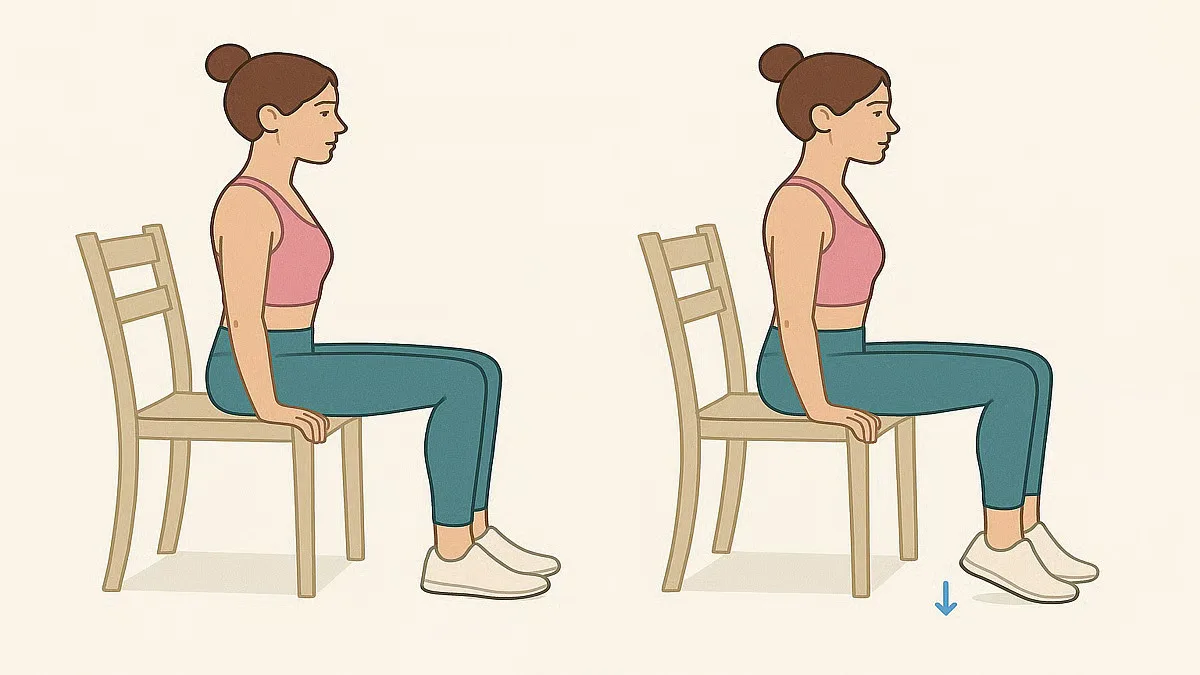
- Ankle and Foot Mobility: Simple moves like heel walks and “tiptoe squats” improve balance and stabilize the joints against stumbles.
Strategic Integration into Your Schedule
Professional coaching for masters athletes now suggests that “more mileage” is rarely the answer. Instead, the goal is “quality over quantity.”
- The 70/30 Rule: Consider substituting 25% to 30% of your weekly running mileage with cross-training. If you usually run four days a week, try running three and using the fourth for a vigorous 45-minute bike session.
- The “Hard-Easy” Sandwich: Never follow a hard track session or long run with another high-impact day. Use cross-training as your “active recovery” between your most demanding efforts.
- Warm-up is Non-Negotiable: Gone are the days of static stretching. Spend 5–10 minutes on dynamic movements (leg swings, “The World’s Greatest Stretch”) to lubricate the joints before you hit the road.
Longevity and Mental Sharpness
Recent research published in BMJ Medicine suggests that variety in exercise is linked to a 19% lower risk of mortality compared to sticking to a single routine. For the runner over 50, this variety does more than just protect the heart; it preserves cognitive function and balance. By challenging your body with different movements—whether it’s the lateral motion of a Cossack squat or the buoyancy of the pool—you are training your brain-to-muscle communication, which is vital for preventing falls and maintaining independence.
Wrapping It Up
Ultimately, the goal isn’t to stop running; it’s to run forever. Think of cross-training as the preventative maintenance that keeps your “classic” frame on the road. Sure, you might spend more time on a stationary bike than you ever imagined, and your neighbors might give you some odd looks while you’re doing “crab walks” in the driveway, but who cares? You’ll be the one still cruising past them at the local 10K while they’re nursing ice packs on the couch. So, let’s keep the joints greased, the heart pumping, and the humor intact—because while we can’t stop the clock, we can certainly make it work a lot harder to catch us.
Source:
Cross-Training Could Be What You’re Missing in Your Approach as a 50+ Runner. Here’s Why