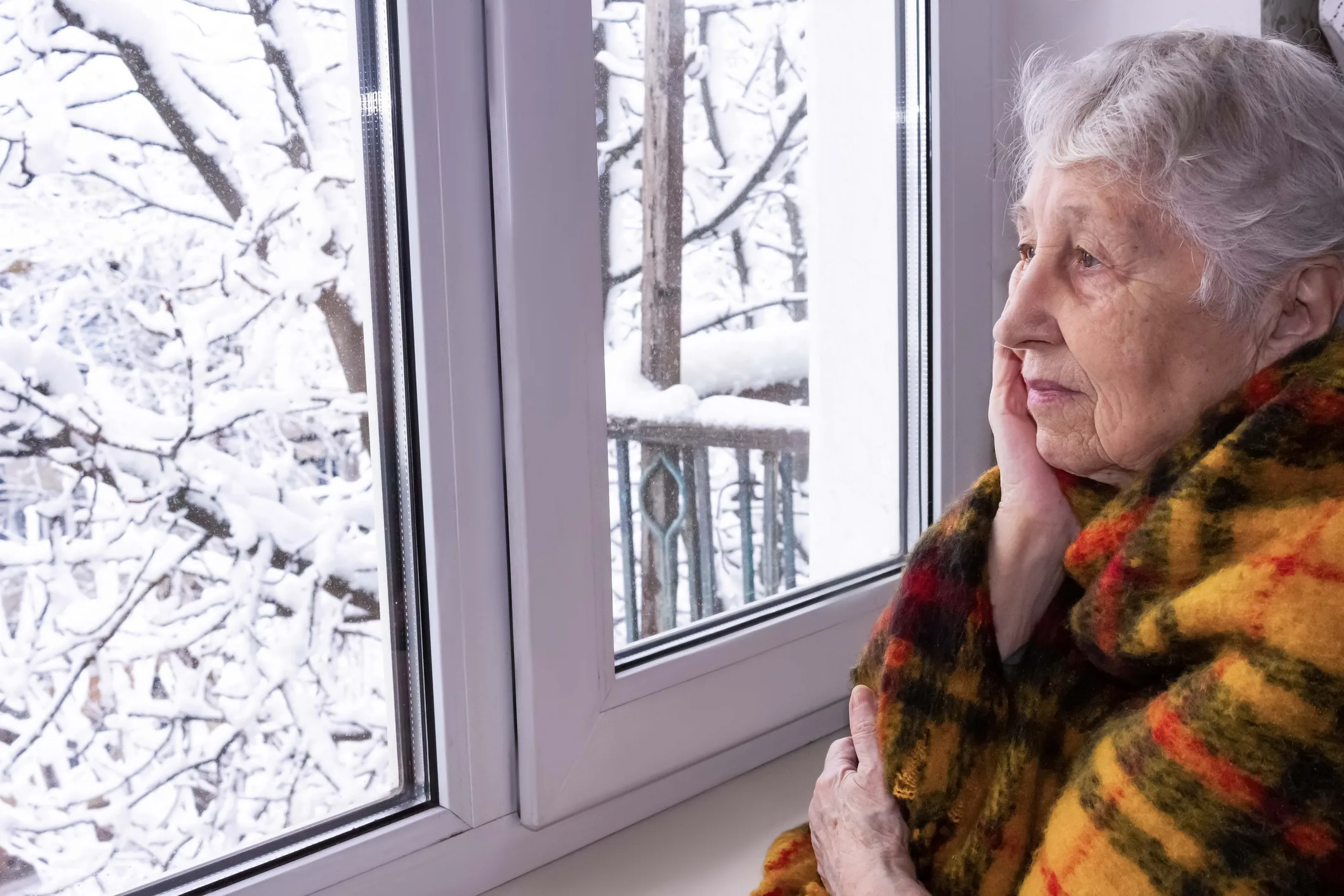
It usually begins with The Voice. Your daughter calls on a Tuesday afternoon, using a tone usually reserved for coaxing a nervous kitten out of a tree. “Hi, Mom! Just… checking in!” You’re 65, enjoying a quiet morning with coffee and a solid crossword, but to your family two states away, living alone after 60 means you’re approximately three minutes away from getting your arm stuck behind the radiator. While census data shows that over 26% of Americans aged 65 and older comfortably live alone, reassuring your loved ones requires a delicate strategy—one that balances your independent lifestyle with their collective peace of mind.
1. Maintain a Visible, Predictable Daily Routine
A consistent routine serves as a quiet, passive signal to those around you that your day is proceeding normally. When neighbors and family can anticipate your daily flow, it eliminates the ambiguity that fuels unnecessary worry.
- Anchor actions: Simple daily markers—such as raising the living room blinds by 7:00 AM, walking the dog at the same time, or sending a quick morning text or puzzle score to a family group chat—establish a clear baseline of well-being.
- Neighborhood awareness: When local neighbors know your general rhythm, they are much more likely to notice genuine anomalies rather than raising false alarms.
2. Initiate Contact Rather Than Waiting for Welfare Checks
When communication only occurs when family members reach out to you, every incoming phone call naturally defaults to an informal safety assessment.
- Shift the dynamic: Reclaiming the narrative means calling or texting first—not to “report in,” but to share news, ask about their week, or discuss a book or movie.
- Normalize casual connection: Initiating dialogue shifts your relationship from one of passive monitoring to active, peer-to-peer engagement.
3. Cultivate Diverse Social Networks Beyond Family
Relying exclusively on adult children for emotional and social support can inadvertently increase their sense of responsibility for your day-to-day welfare.
- Research-backed satisfaction: Social research indicates that older adults living alone who maintain rich, multi-tiered networks—combining friends, neighbors, and community groups alongside family—report higher overall life satisfaction.
- Building a local web: Engaging with local clubs, volunteering, or simply maintaining regular contact with long-time peers ensures your social ecosystem is robust and multifaceted.
4. Engage in Daily Micro-Interactions
Regular, face-to-face contact with community members plays a dual role: it supports emotional health and provides subtle social accountability.
- Casual touchpoints: A brief conversation with the local pharmacist, a brief chat with a librarian, or a greeting to a neighbor during a morning walk contributes meaningfully to psychological health.
- Informational benefit: According to research published by the Society for Personality and Social Psychology, regular interactions with “weak ties” or casual acquaintances foster a stronger sense of belonging and community integration.
5. Be Transparent About Minor Health Events and Falls
Attempting to hide minor accidents or health hiccups often backfires. When family members discover a past injury through a third party, trust in your self-reporting is compromised.
- The reporting gap: According to the Centers for Disease Control and Prevention (CDC), more than one in four older adults falls each year, yet fewer than half inform their healthcare provider.
- Proactive communication: Sharing minor incidents alongside a solution—such as reporting a small trip and immediately installing a handrail—demonstrates active risk management and reinforces confidence in your judgment.
6. Proactively Ask for Tactical Help
Living independently does not mean executing every physically demanding or hazardous task unassisted.
- Targeted assistance: Utilizing help for risky home maintenance—such as clearing high gutters, climbing ladders, or moving heavy furniture—prevents severe, preventable injuries.
- Expert perspective: As Dr. Sachin Shah, an assistant professor at Harvard Medical School, noted in research on solo aging, older adults living alone are often resilient and self-reliant, yet establishing reliable contacts for daily physical support is critical to maintaining long-term autonomy.
7. Establish an Emergency Plan and Designate Key Contacts
Uncertainty is the primary driver of family anxiety. Establishing a transparent emergency structure allows everyone to relax, knowing protocols are already in place.
- Practical preparation: Maintain an updated medical history list on the refrigerator, place a spare key with a trusted neighbor, and ensure healthcare proxy documents are formally executed.
- Designated liaison: Clearly state who holds your primary emergency contacts and where important documents are stored.
8. Frame Independent Living as an Active Choice
How you articulate your living situation shapes how others perceive your autonomy.
- Intentionality matters: Psychological research on solitude indicates that when time spent alone is viewed as a deliberate preference rather than an imposed circumstance, the psychological benefits—such as autonomy and stress reduction—are significantly enhanced.
- Communicate your preference: Articulating that living alone is an active, enjoyable lifestyle choice reinforces to family members that you are thriving, not simply “managing.”
Takeaway
If you implement even half of these habits, you’ll likely notice the subtle shift during the next family call. The frantic edge in their voice disappears, replaced by genuine, low-stress conversation. You get to keep your privacy, your favorite quiet mornings, and your preferred way of doing things—and your children get to sleep through the night without researching live-in assistance on their iPads. Everyone wins, and you didn’t even have to yield control of the thermostat.
Source: