When you finally step away from the daily grind and retire, the sudden arrival of thousands of unstructured hours can feel like a glorious promotion. No more set alarms, no more mandatory meetings, and no more performance reviews. However, after about three weeks of unlimited sleep and late-morning coffee, a subtle reality sets in: endless leisure can begin to feel suspiciously like drifting at sea. Without the external structure of a workplace, it becomes remarkably easy to trade burnout for apathy—or, conversely, to overschedule yourself with volunteer commitments until you feel like you need to re-retire. The key to a fulfilling retirement is neither aimless drifting nor rigid busyness, but the intentional creation of daily habits.
While financial planning ensures your nest egg survives retirement, daily habits determine whether you thrive in it. Decades of longevity research and real-world retiree data show that long-term life satisfaction is built through small, repeatable daily behaviors rather than portfolio adjustments.
The Science of Structure: Why Daily Habits Matter After You Retire
The transition out of the workforce alters key biological and psychological rhythms. Occupational routines naturally enforce movement, social interaction, and cognitive engagement. When those external guardrails disappear, retirees risk experiencing a decline in both physical conditioning and mental sharpness.
Research from the Stanford Center on Longevity emphasizes that modern retirement requires a “purpose portfolio”—a deliberate combination of physical health, cognitive challenge, and social contribution—rather than complete disengagement. Daily habits act as the scaffolding for this portfolio, helping to maintain:
- Circadian Rhythms: Consistent daily patterns regulate sleep-wake cycles, hormone production, and metabolic health.
- Executive Function: Routine mental engagement protects memory, processing speed, and problem-solving skills.
- Physical Functionality: Daily movement preserves joint mobility, bone density, and cardiovascular health.
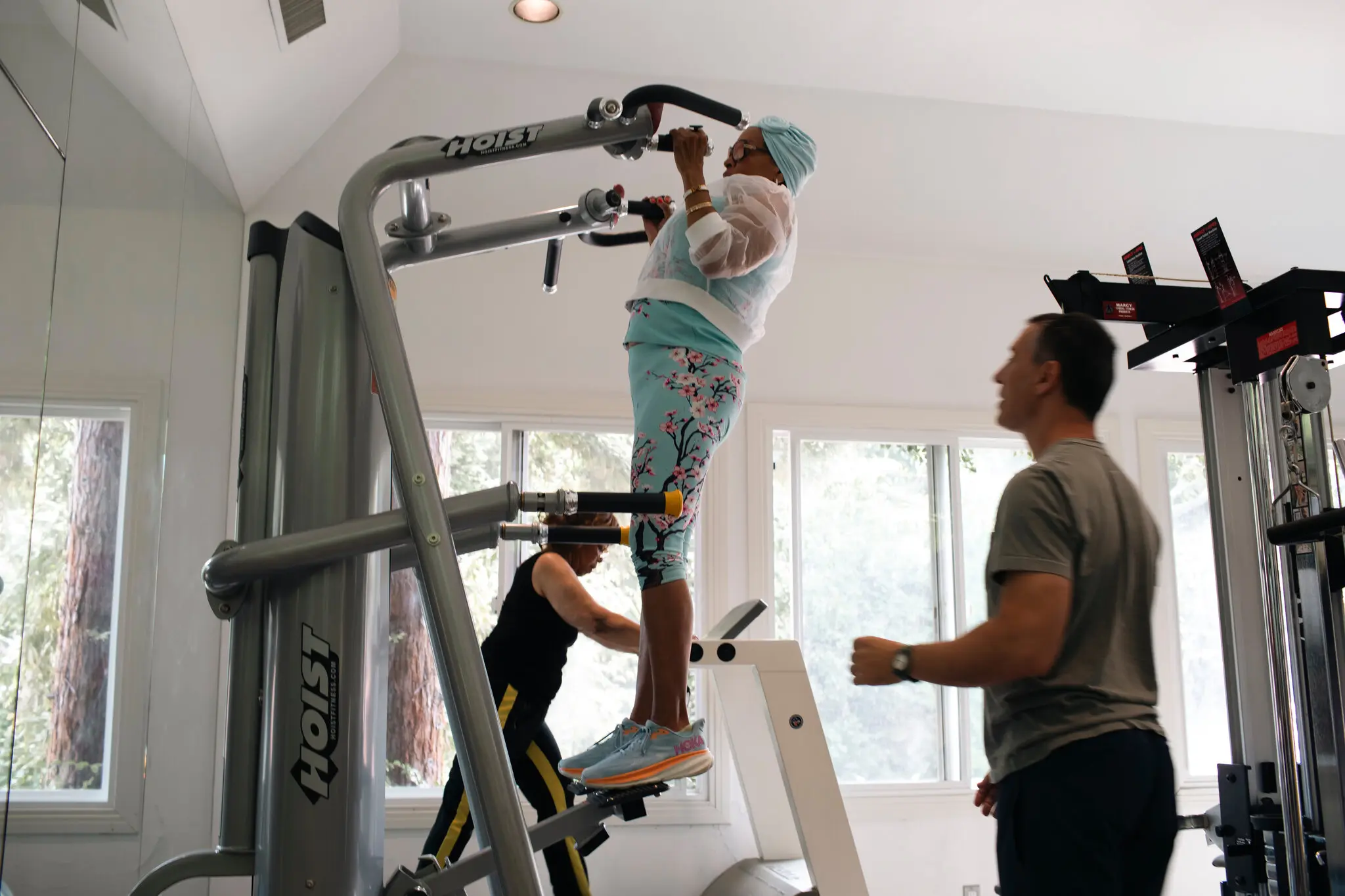
Habit 1: Early Daily Physical Activity
In retirement, health replaces capital as your most critical asset. A large portfolio offers limited utility if physical limitations restrict your ability to travel, play with grandchildren, or live independently.
According to the Centers for Disease Control and Prevention (CDC), adults aged 60 and older require a balanced exercise routine to maintain functional independence and manage chronic conditions. The CDC guidelines recommend:
- Aerobic Activity: At least 150 minutes of moderate-intensity aerobic physical activity per week (such as brisk walking, swimming, or cycling).
- Muscle-Strengthening: Specific activities that work all major muscle groups on two or more days a week.
- Balance Training: Exercises to enhance stability and reduce the risk of falls, integrated at least three days per week.
Why Early Movement Works
Completing physical activity early in the day offers several physiological and psychological advantages:
- Cortisol and Energy Regulation: Morning exercise aligns with the body’s natural cortisol spike, boosting alertness and sustaining energy throughout the day.
- Consistency: Completing exercise early prevents daily distractions or energy dips from derailing physical activity.
- Circadian Alignment: Early light exposure paired with physical exertion reinforces natural sleep-wake cycles, improving sleep quality at night.
Building a Multi-Modal Exercise Routine
To maximize longevity and prevent injury, a well-rounded fitness regimen should incorporate variety:
- Cardiovascular Fitness: Swimming, walking, or court sports like pickleball build heart health without joint impact.
- Resistance Training: Basic dumbbell routines, bodyweight exercises, or resistance bands maintain muscle mass (counteracting age-related sarcopenia).
- Flexibility and Balance: Mobility work, yoga, or tai chi protect joint range of motion and core stability.
Habit 2: Practical Purpose and Intentional Daily Planning
One of the common misconceptions about retirement is that removing work stressors automatically generates happiness. In reality, removing a negative stressor creates an empty space that must be filled with meaningful engagement.
Psychological studies show that maintaining a sense of purpose in older adulthood is directly linked to lower risks of cognitive decline, cardiovascular events, and premature mortality. Purpose does not require launching a second career or managing a massive foundation; it simply requires intentionality in daily actions.
The Three-Question Daily Frame
To maintain structure without imposing oppressive schedules, establish a simple morning check-in by asking:
- What am I doing today? (Identifying one concrete physical or operational task).
- Why does it matter? (Connecting the task to personal health, home maintenance, or personal growth).
- Who benefits? (Ensuring social engagement, whether helping a neighbor, mentoring, or supporting family).
Strategies for Intentional Routines
- Establish a Morning Anchor: Start every day with a predictable sequence—such as hydration, cognitive puzzles, and physical exercise—to build momentum.
- Set Micro-Goals: Use simple task-tracking tools or daily lists to capture two or three meaningful tasks per day.
- Balance Output and Rest: Schedule periods of deliberate recreation alongside productive tasks to enjoy unstructured time without feeling aimless.
The Compounding Effect of Small Daily Actions
Just as financial assets compound over decades, physical and mental health habits compound over time. A single morning walk or one structured day will not yield immediate transformational results. However, repeating these micro-behaviors consistently across ten or twenty years of retirement creates profound differences in healthspan, mental clarity, and overall well-being.
By focusing on daily systems rather than absolute perfection, adults over 60 can build a resilient foundation for their later years—ensuring that their time in retirement is spent actively enjoying life rather than merely passing the time.
Takeaway
Ultimately, retirement is a long-term investment in your quality of life, and daily habits are the dividend payments. By getting your body moving early and giving your mind a clear reason to wake up each morning, you ensure that your golden years remain truly golden. After all, you spent decades saving up money for this phase of life—you might as well stay healthy and sharp enough to spend it.
Source: