By the time we cross the threshold of 50, standard medical advice begins to sound a bit like a broken record: eat more leafy greens, lift light weights, and try to walk ten thousand steps a day while contemplating your financial portfolio. If the mere thought of a treadmill fills you with profound existential dread, science has some excellent news. You can officially trade the monotonous thumping of the gym conveyor belt for the rhythm of a cha-cha, tango, or line dance. Clinical research increasingly shows that dancing isn’t just a leisure activity to keep you occupied during wedding receptions; it is an incredibly potent, total-body medical intervention.
The Neurological Antidote: Protecting the Aging Brain
While traditional exercises like cycling or running are excellent for cardiovascular health, they are largely repetitive and predictable. Dancing, by contrast, challenges the central nervous system in ways few other activities can duplicate.
- Cognitive Demand: Dancing requires rapid, real-time decision-making, spatial awareness, and memory recall as you synchronize your movements to a changing rhythm and follow complex choreography.
- Neuroplasticity: Neurological studies demonstrate that the dual-task nature of dancing—combining physical movement with auditory and cognitive processing—stimulates neuroplasticity (the brain’s ability to form new neural pathways). This unique combination has been linked to a reduced risk of cognitive decline and dementia in older adults.
- Brain Structure Protection: Clinical neuroimaging indicates that regular social dancing can actually preserve white matter integrity and increase the volume of the hippocampus, the specific region of the brain responsible for memory and spatial navigation that typically shrinks with age.
The Physical Dividends: Balance, Gait, and Fall Prevention
Falling remains one of the most significant health hazards for adults aged 50 and older, frequently leading to a loss of independence. Traditional strength training targets isolated muscle groups, but dancing addresses the precise mechanisms required to maintain dynamic equilibrium.
- Multidirectional Mobility: Unlike walking or running, which occur almost exclusively in a straight, forward line, dancing forces the body to move laterally, backward, and in rotational patterns. This strengthens the stabilizing muscles around the hips, ankles, and core.
- Proprioception and Reflexes: Regular dancing refines your proprioception—the body’s subconscious awareness of its position in space. By constantly adjusting to a partner or a dance floor environment, older adults develop faster neuromuscular reflexes, allowing them to catch themselves effectively if they trip in daily life.
- Postural Control: Studies tracking older adults in dance-based interventions reveal measurable improvements in gait speed, stride length, and postural stability, effectively lowering an individual’s clinical fall-risk profile.
The Cardiovascular and Metabolic Benefits
For those managing hypertension, high cholesterol, or early signs of insulin resistance, dance offers a highly effective form of aerobic conditioning that mimics high-intensity interval training (HIIT) without the joint-jarring impact.
- Heart Rate Variable Training: The natural structure of dancing—alternating between fast-paced tempos and slower, controlled movements—acts as a natural interval workout. This improves myocardial efficiency (heart muscle strength) and vascular elasticity.
- Metabolic Regulation: A sustained 45-minute dance session burns a comparable number of calories to a brisk swim or a cycling class, aiding in visceral fat reduction and improving insulin sensitivity to help manage or prevent Type 2 diabetes.
- Low-Impact Musculoskeletal Load: Because one foot almost always remains anchored to the floor in styles like ballroom, salsa, or line dancing, it provides the weight-bearing benefits necessary to maintain bone density without subjecting arthritic knees or hips to the heavy impact of running.
The Social and Emotional Buffer
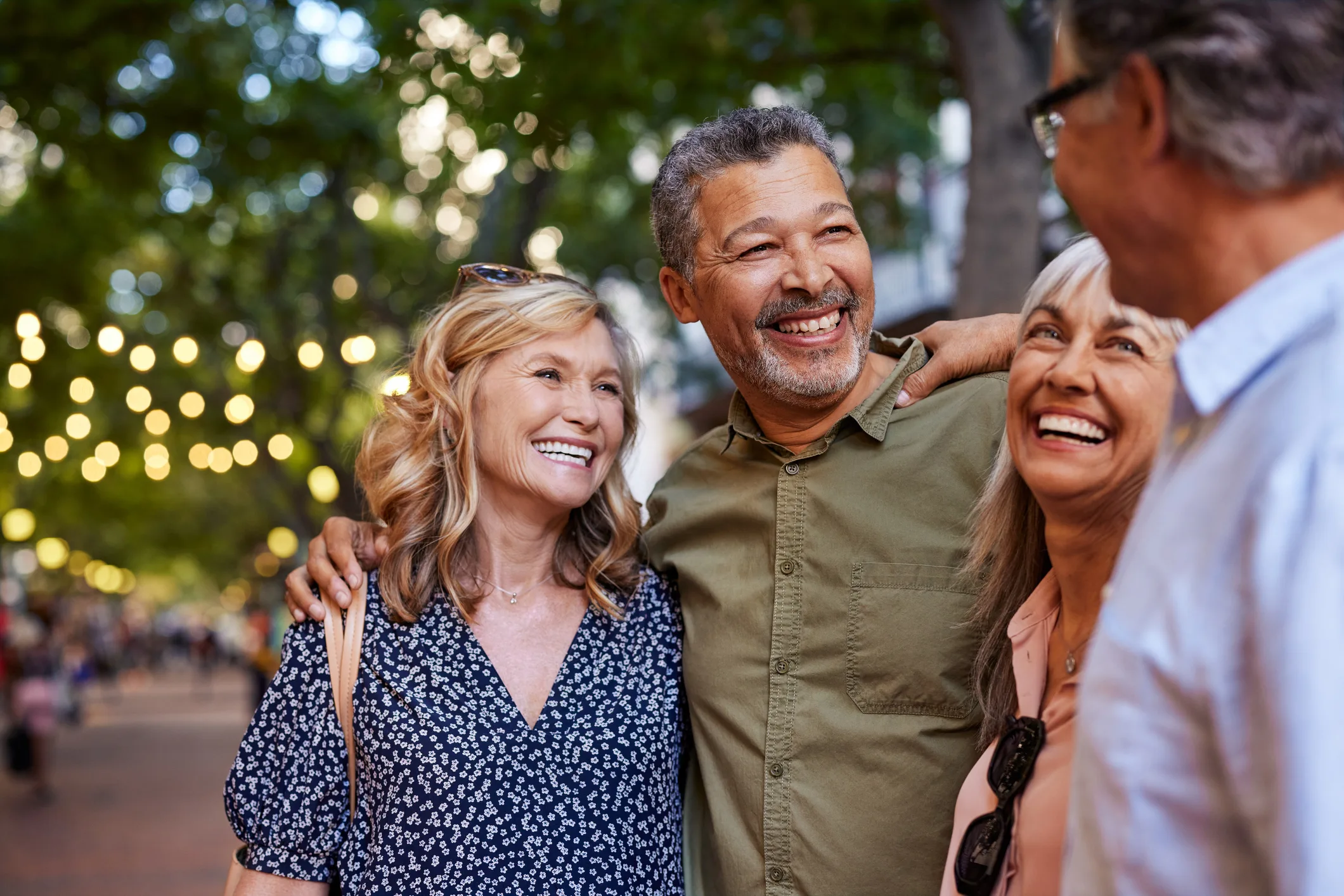
Aging can occasionally bring an unwelcome sense of social isolation, particularly after retirement or shifts in household dynamics. The psychological structure of dance provides a unique remedy for emotional distress.
- The Anti-Isolation Dynamic: Group classes and partner dancing foster immediate, organic social connections. This collective movement releases endorphins and reduces levels of cortisol (the primary stress hormone).
- The Power of Touch: Partner dancing reintroduces safe, structured tactile human connection, which clinical psychological research correlates with lowered blood pressure and decreased rates of late-life depression.
According to data highlighted by the Associated Press, specialized programs like “Dance for PD” (Parkinson’s Disease) and community-based senior dance therapies are shifting from alternative wellness trends into mainstream clinical recommendations due to their profound impact on motor function and patient mood.
Takeaway
So, if you are looking for a way to safeguard your joints, preserve your cognitive sharp edges, and keep your heart healthy without dying of boredom on an elliptical machine, it might be time to find a local class. It requires no heavy gym equipment, your insurance won’t argue over the coverage, and frankly, it is the only doctor-approved medical treatment where nobody will look at you sideways if you show up wearing sequins. Put on some music, find your footing, and leave the treadmill to the youngsters. Your brain, your bones, and your social calendar will thank you.
Source:
You should be dancing, yeah. Moving to music offers all kinds of benefits as you age