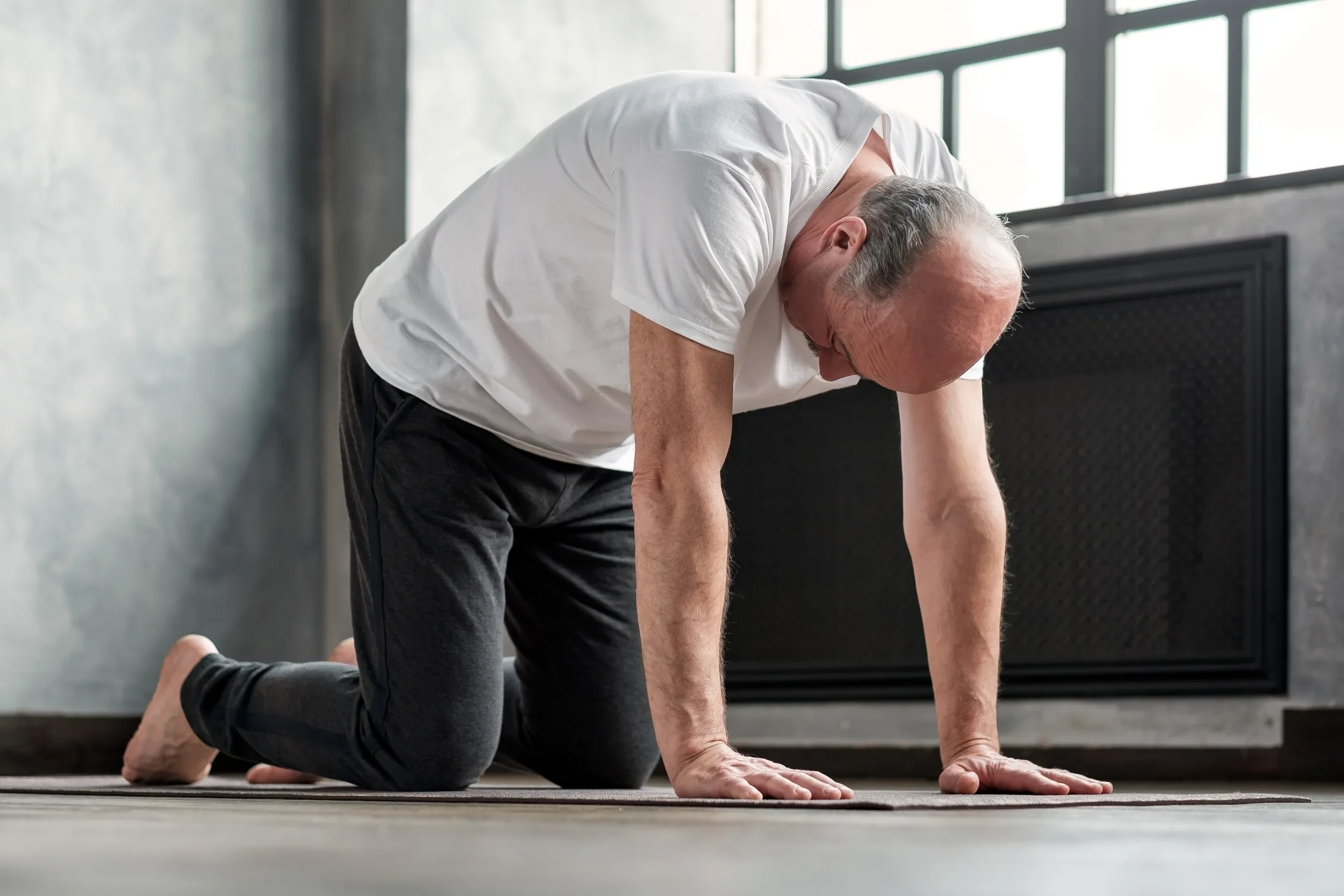
Diaphragmatic breathing, also known as deep breathing or belly breathing, is a technique that involves using your diaphragm, a large muscle located at the base of your lungs, to take deep breaths. It’s a simple yet powerful technique that can help you manage stress, improve your sleep, and boost your overall well-being.
The truth is, Diaphragmatic breathing is how we humans instinctively breath. If you watch a newborn when they are sleeping, you’ll see they naturally perform diaphragmatic breathing. However, as we get older, we train ourselves to push our chests out and raise our shoulders to breath. This is actually less efficient and does not fill our lungs to capacity.
Benefits of Diaphragmatic Breathing
- Reduces stress and anxiety: Deep breathing helps activate your body’s relaxation response, lowering stress hormones and promoting a sense of calm.
- Improves sleep quality: Deep breaths can help you fall asleep faster and sleep more soundly.
- Boosts energy levels: By increasing oxygen intake, diaphragmatic breathing can increase your energy levels and reduce fatigue.
- Improves digestion: Deep breaths stimulate your digestive system, promoting better digestion and reducing bloating.
- Reduces pain: Deep breathing can help reduce pain by relaxing your muscles and promoting the release of endorphins, natural pain relievers.
- Improves focus and concentration: Deep breaths can help clear your mind and improve your ability to focus and concentrate.
How to Practice Diaphragmatic Breathing
- Find a comfortable position: Sit or lie down in a comfortable position, with your back straight and your feet flat on the floor.
- Place one hand on your chest and the other on your stomach: This will help you feel the movement of your diaphragm.
- Inhale slowly through your nose: As you inhale, your stomach should rise, and your chest should remain relatively still.
- Exhale slowly through your mouth: As you exhale, your stomach should fall, and your chest should remain relatively still.
- Repeat for several minutes: You can practice diaphragmatic breathing for several minutes at a time, several times a day.
Additional Tips
- Focus on your breath: Pay attention to the sensation of your breath as it enters and exits your body.
- Be patient: It may take some practice to get the hang of diaphragmatic breathing. Don’t get discouraged if you don’t get it right away.
- Practice regularly: The more you practice diaphragmatic breathing, the easier it will become and the more benefits you will experience.
By retraining ourselves to breath as we were intended, we gain several health and mental benefits. It’s a simple technique that anyone can learn, and it can be practiced anywhere, at any time.
Next week we’ll show how diaphragmatic breathing can be used to lower anxiety naturally.