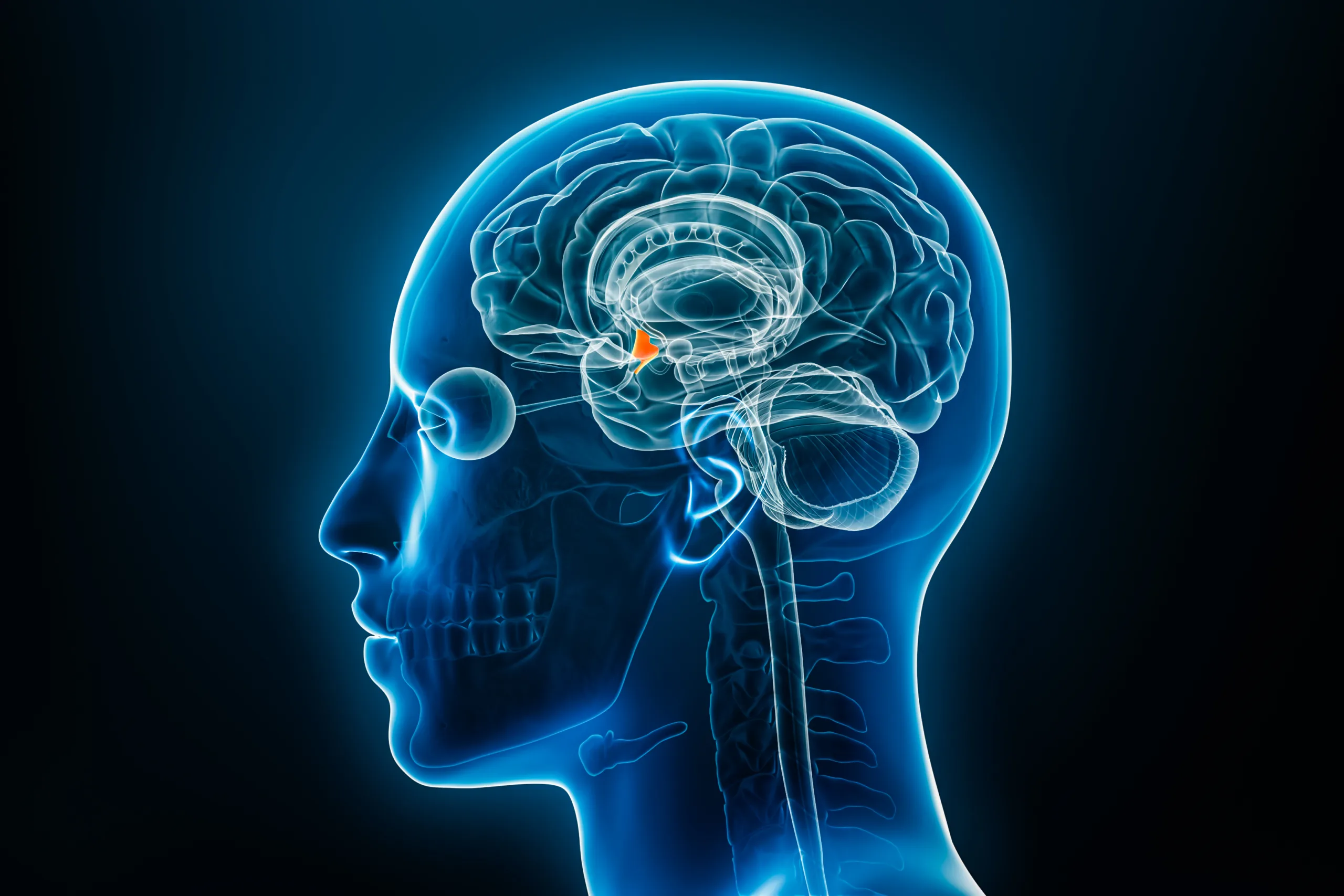
Getting older is undoubtedly a gift, a testament to lived experiences and accumulated wisdom. But as the years pass, it’s natural to wonder just how quickly our bodies are aging on the inside, especially since these internal processes are often invisible. What if we could gain a clearer picture of our personal aging rate, all from a single, non-invasive scan? A groundbreaking development in medical science promises just that: a new “aging clock” that uses an MRI of your brain to peer into your biological future.
Unveiling Your Brain’s True Age
This innovative tool, known as DunedinPACNI (Dunedin Pace of Aging Calculated from NeuroImaging), was developed by a collaborative team of scientists from prestigious institutions including Duke, Harvard, and the University of Otago in New Zealand. Unlike traditional “aging clocks” that often rely on blood tests or broad demographic data, DunedinPACNI leverages the intricate details captured in a single MRI scan of your brain. By analyzing subtle patterns in brain structure, it aims to estimate your individual aging rate. More importantly, this estimation can help predict your risk of developing debilitating conditions like dementia and other age-related diseases long before any noticeable symptoms emerge. The profound hope behind this research is that by providing individuals with this crucial information early, they will be empowered to make proactive and healthy lifestyle changes, taking control of their future health while time is still on their side.
Promising Results Pave the Way for Future Health
While the journey from research tool to widespread clinical application requires further rigorous investigation, the initial findings for DunedinPACNI are remarkably encouraging. In a compelling analysis published recently in Nature Aging, researchers examined data from 624 individuals ranging in age from 52 to 89. The results were striking: those whom the DunedinPACNI tool identified as aging the quickest were a staggering 60% more likely to develop dementia in the years that followed. Critically, these “fast agers” also began experiencing memory and thinking problems noticeably earlier than their counterparts who were aging more slowly.
This predictive power extends beyond just dementia. The study found that faster DunedinPACNI scores were linked to a greater overall decline in health, including increased physical frailty and a higher risk for various chronic diseases such as cardiovascular and respiratory conditions. Individuals with the fastest aging rates, as measured by the brain scan, were 18% more likely to be diagnosed with a chronic illness and a concerning 40% more likely to die within the follow-up period compared to those aging at an average pace.
As study co-author Ahmad Hariri of Duke University succinctly put it, “We really think of it as hopefully being a key new tool in forecasting and predicting risk for diseases, especially Alzheimer’s and related dementias, and also perhaps gaining a better foothold on progression of disease.” This suggests that DunedinPACNI could revolutionize how we approach aging and disease prevention, shifting from reactive treatment to proactive intervention. The brain, it seems, holds a wealth of information about our body’s true biological clock, offering a powerful new way to understand and influence our long-term health trajectory.
Source: