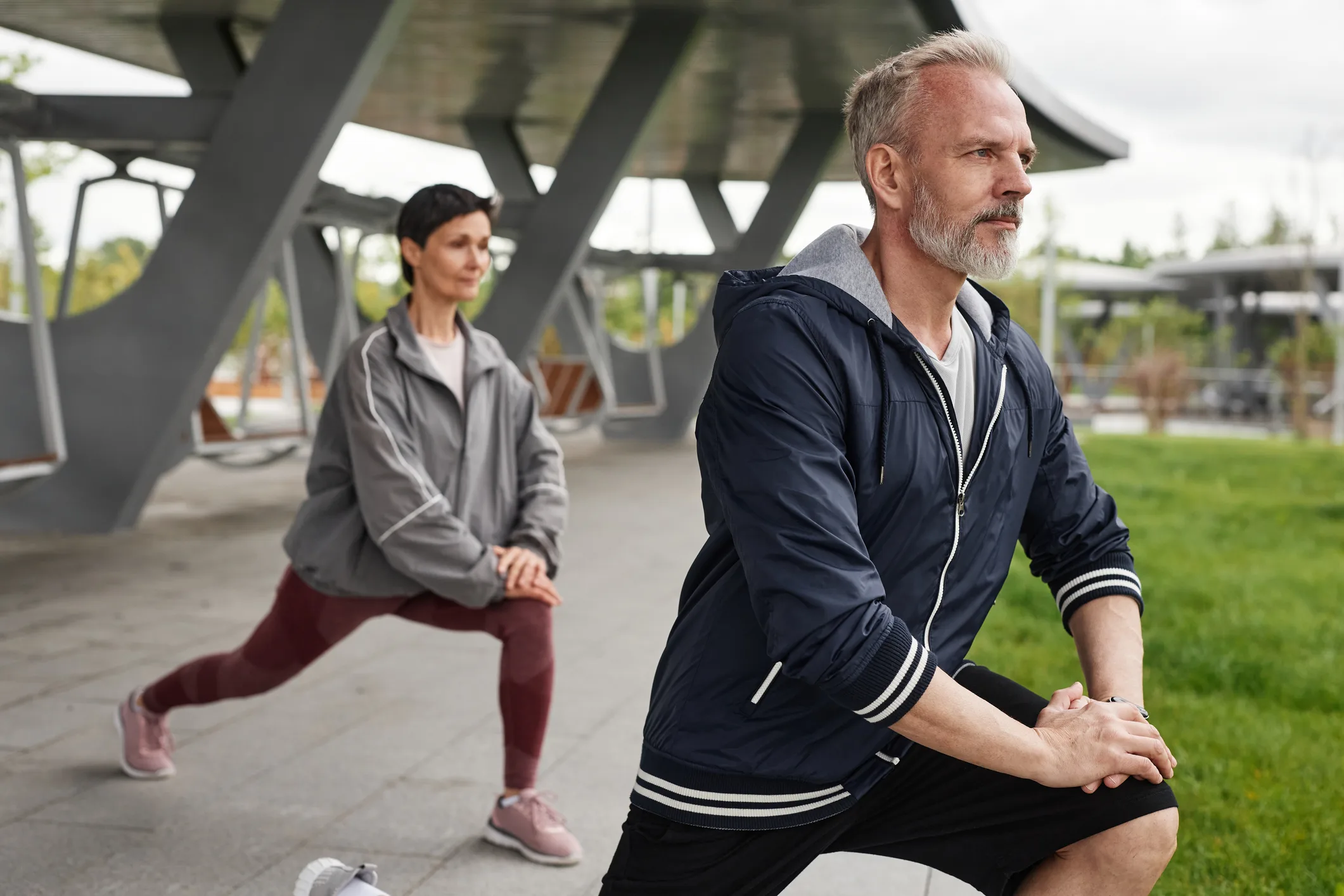
At a certain point in life, staying active can feel like a full-time job with zero vacation days—especially when your knees decide to predict the weather hours before the meteorologist does. For years, doctors advised staying active as a polite, general suggestion, much like telling you to eat your vegetables. But recent scientific research shows that lacing up a pair of comfortable walking shoes isn’t just about staying limber; it is turning out to be a serious tool in both cancer prevention and treatment.
Why Doctors Are Treating Exercise Like Real Medicine
A major medical review published in Nature Reviews Clinical Oncology by researchers at Weill Cornell Medical College and City of Hope points to a major shift in cancer care: exercise is moving from a general lifestyle recommendation to a targeted medical treatment.
Large-scale health studies following millions of adults show that regular physical activity lowers the risk of developing up to 26 different types of cancer—most notably colon, breast, and prostate cancers.
“Exercise oncology has reached a decisive turning point, one in which structured exercise is being tested not merely as supportive care but as a potential anticancer therapy in its own right.”
— Dr. Joshua W. Bliss & Dr. Lee W. Jones (Nature Reviews Clinical Oncology)
Key clinical findings include:
- Better Long-Term Survival: In a landmark study involving colon cancer survivors, those who participated in structured exercise after completing surgery and chemotherapy had significantly lower rates of cancer recurrence and higher overall survival compared to those who remained inactive.
- Enhancing Treatment: Combining light-to-moderate exercise with standard chemotherapy has been shown to improve treatment completion rates and help medications work more effectively.
How Movement Fights Cancer Inside the Body
When you get moving, your body releases natural biochemicals that make it much harder for cancer cells to grow and spread:
- Wakes Up Your Immune System: Physical activity releases specialized immune cells (such as Natural Killer cells) into your bloodstream, helping your body detect and destroy abnormal cells.
- Improves Blood Flow to Tumors: Exercise improves circulation, which helps chemotherapy and other prescribed treatments reach tumor sites more efficiently.
- Lowers Tumor “Fuel”: Regular movement lowers systemic inflammation, high insulin, and blood sugar levels—starving potential cancer cells of the environment they need to thrive.
Safe Ways to Get Started (Tailored for 60+)
Over 60% of cancer diagnoses occur in adults aged 60 and older. Because of this, exercise routines should focus on safety, joint health, and building steady strength.
- Aerobic Movement (150 minutes a week): Aim for brisk walking, stationary cycling, or water aerobics. You don’t need to do it all at once—10 to 15 minutes at a time throughout the day works just as well.
- Strength Training (2 to 3 days a week): Use light resistance bands, small hand weights, or simple chair sit-to-stands to preserve lean muscle and protect bone density.
- Balance Work (3 days a week): Practice standing on one foot (while holding onto a sturdy counter) or heel-to-toe walking to improve stability and prevent fall risks.
- Check with Your Care Team: If you are currently undergoing treatment or managing joint pain, talk to your doctor to tailor activities to your current energy levels.
Takeaway
While a brisk walk won’t replace your oncologist or your medications, it is one of the few medically proven therapies that comes without a pharmacy co-pay, requires no insurance approval, and carries side effects that consist mainly of better sleep and improved energy. You don’t need to train for a marathon—just taking that first regular stroll gives your body an extra edge.
Source:
Exercise Emerges as a Serious Candidate Therapy in Cancer Prevention and Treatment