We’ve reached an age where talk of transit time is less about travel and more about, well, transit. While the younger generation is buzzing about a trend called “Fibermaxxing,” the truth is, adults over 50 are the ones who truly need this nutrient. Most of us think we get enough fiber, but national surveys say otherwise: only about 5% of the population actually hits the recommended intake.
A lack of fiber isn’t just a recipe for discomfort; it’s linked to serious metabolic and gut diseases. The good news? You don’t have to join a social media fad to get the benefits. You just have to be smart about what you eat.
The Incredible Benefits: From Heart to Hilarity
Fiber is a superstar for your health, offering protection against many of the issues that become more common after 50. It’s is the unsung hero of your digestive tract. Think of it as the friendly traffic cop who prevents gridlock on the road to wellness. Increasing your daily fiber intake is directly associated with:
- Heart and Artery Protection: Studies show that every 7 g/day increase in fiber significantly reduces the risk for cardiovascular disease and stroke. It helps regulate plasma cholesterol by limiting bile salt reabsorption—a fancy way of saying it acts like a filter.
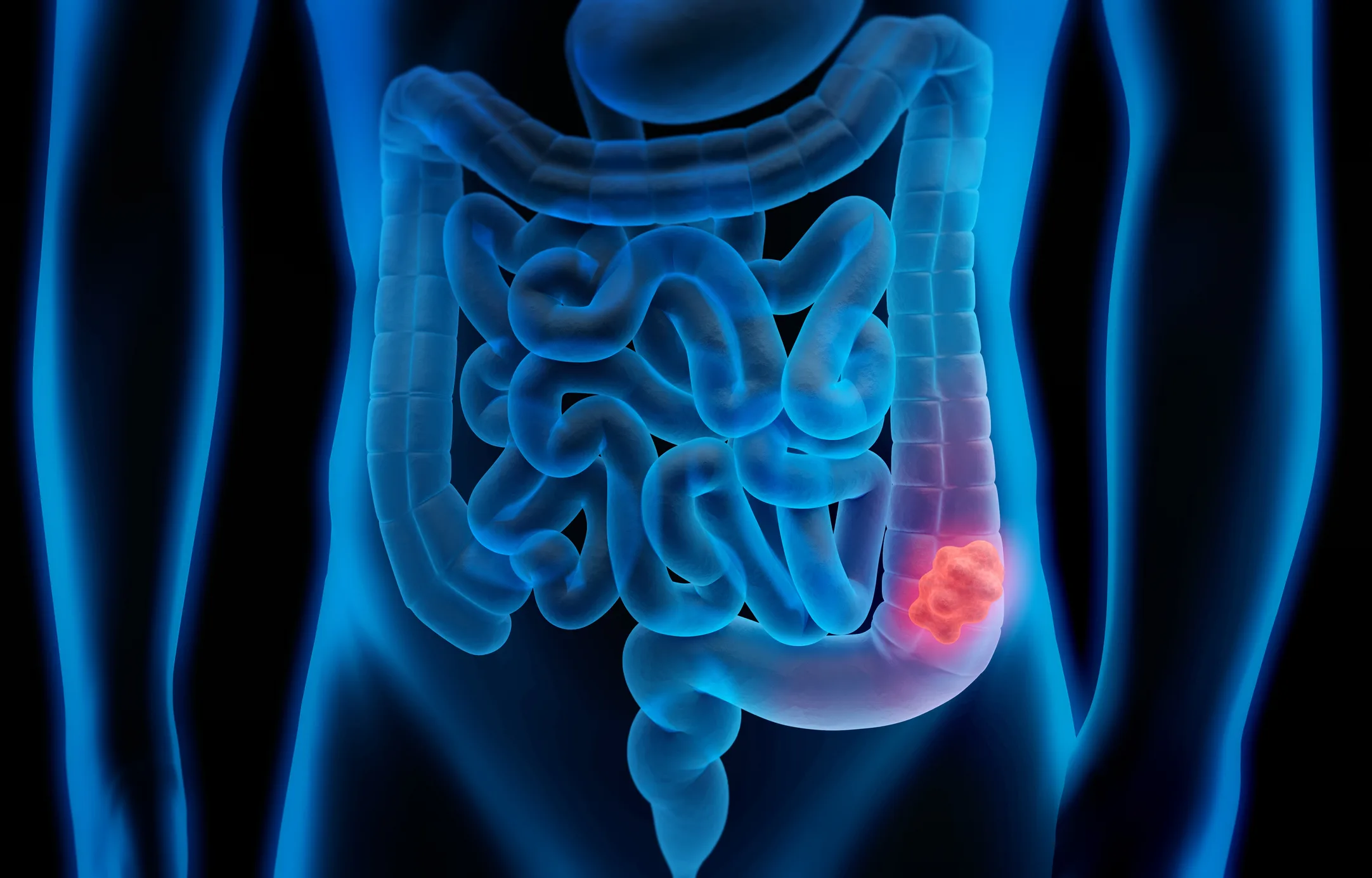
- Cancer & Diabetes Defense: Higher fiber intake (aiming for 25–29 g/day) is linked to a reduced risk for colorectal cancer and helps manage blood sugar, making it essential for diabetes management and stable energy.
- A Happier Gut Ecosystem: Fiber is food for the millions of microbes in your gut. They ferment it, producing short-chain fatty acids (SCFAs) that maintain the intestinal barrier, may reduce inflammation, and even influence your appetite and mood.
Soluble vs. Insoluble: Know Your Fiber Types
Not all fiber is created equal. Both types are important, and they work together to keep things moving:
- Soluble Fiber (The Gel Maker):
- What it does: Mixes with water to form a gel-like substance in the digestive tract. This slows digestion, which helps stabilize blood sugar and cholesterol.
- Where to find it: Oats, beans, lentils, apples, and chia seeds.
- Insoluble Fiber (The Bulk Builder):
- What it does: Remains mostly intact, adding bulk to stool. This speeds up gut transit time, prevents constipation, and helps clear out toxins.
- Where to find it: Whole grains, nuts, seeds, and the skins of fruits and vegetables.
Getting It Right: Focus on Food, Not Fads
The official recommended daily fiber intake is typically 25 grams for women and 38 grams for men (check your country’s guidelines for specifics). You can easily reach this goal with a balanced plate:
- Go Whole: Choose whole-food carbohydrate sources like whole grains, beans, lentils, and oatmeal.
- Color Your Plate: Eat a variety of fruits and vegetables—the more colorful the plate, the more varied the nutrients.
- The Chia Cheat: Sprinkle seeds (chia, flax) into smoothies, yogurt, or oatmeal for an easy, high-fiber boost.
Crucially, when increasing fiber, you must:
- Drink Plenty of Fluids: Fiber absorbs fluid like a sponge. Insufficient water intake when boosting fiber can backfire, leading to bloating, flatulence, and—ironically—constipation.
- Increase Slowly: Don’t jump from 10 grams to 35 grams overnight! Give your digestive system time to adjust to prevent discomfort and gas.
When Too Much is Too Much (The “Fibermaxxing” Warning)
While fiber is fantastic, the trend of “fibermaxxing”—eating 50 grams or more daily—is not recommended. Excessive fiber can cause significant bloating and flatulence. More importantly, it can interfere with the absorption of essential nutrients and even certain medications, including drugs for heart rhythm, thyroid, and blood sugar control.
A note on supplements: Food is always the preferred source. However, supplements like psyllium (a bulking agent) can be helpful if your diet is falling short. If you use supplements, look for third-party tested brands (like those with the “NSF” mark).
If you are dealing with chronic constipation, diverticulitis, or other specific gastrointestinal issues, talk to your doctor or a dietitian. They can help you craft a plan that maximizes the benefits of fiber without causing uncomfortable (or medication-interfering) side effects.
Source: