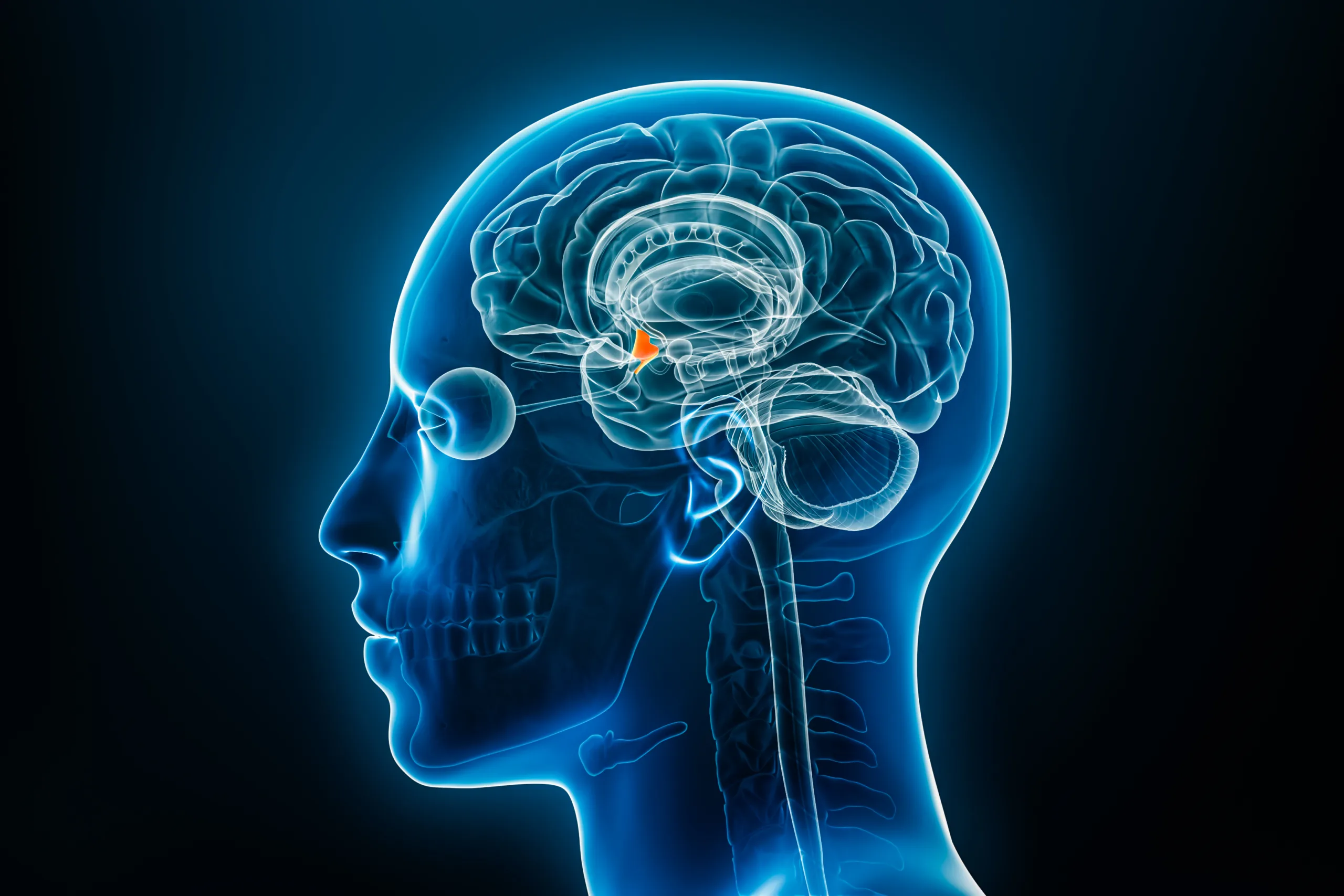
The Case of the Missing B9
Scientists at Mount Sinai have been playing detective with our blood, and they’ve sniffed out a potential culprit in the mystery of dementia and increased mortality in older adults: low levels of folate, a.k.a. vitamin B9. Now, before you panic and start mainlining spinach, let’s break down what this “folate” fella is all about.
Turns out, folate is the natural form of vitamin B9, a water-soluble chap that hangs out in lots of yummy foods. Its more absorbent cousin, folic acid, is often added to our grub and pops up in supplements. Folic acid is like the eager beaver of the B9 family, getting absorbed at a rate of 85% compared to folate’s more leisurely 50% absorption from food.
Folate: The Unsung Hero of Our Bodies (and Maybe Our Brains?)
Previous research concluded that folate is a busy bee, helping to build DNA and RNA and getting involved in the protein party. It also plays a key role in breaking down homocysteine, an amino acid that can cause trouble if it gets too rowdy in our system. Plus, folate is crucial for making healthy red blood cells – the little delivery trucks of our bodies – and is super important during rapid growth spurts, like when you’re a tiny human in the making.
But the million-dollar question has been: does a lack of this folate superhero contribute to the dreaded dementia in our golden years?
The Great Folate Detective Agency: Cracking the Case
To find out, the Mount Sinai sleuths analyzed data from over 27,000 people aged 60–75 who had managed to dodge dementia for at least a decade. They checked their folate levels and then kept tabs on them to see who developed dementia or, sadly, passed away.
The results were rather telling. It turned out that those with low folate levels were significantly more likely to face both dementia and the Grim Reaper. To be precise, the folate-deficient were a whopping 68% more likely to be diagnosed with dementia and almost three times as likely to kick the bucket from any cause.
The researchers concluded that the amount of folate floating around in our blood might act as a biomarker – a sort of early warning sign – for those at higher risk of dementia and death. However, they wisely pointed out that more digging is needed to figure out exactly how a folate shortage could mess with our minds.
The Call to Action: Feed Your Brain (and Yourself!)
The researchers suggest that checking and treating folate deficiency in older adults could be a smart move to potentially prevent or at least reduce their risk of dementia. It’s like making sure your car has enough oil so it doesn’t break down on a road trip – except the road trip is your life, and the oil is vitamin B9.
For those not yet in their golden years and especially for those who are, the Recommended Dietary Allowance for folate is 400 micrograms (mcg) of dietary folate equivalents (DFE) daily. Pregnant and breastfeeding women need a bit more fuel for their little ones (600 mcg DFE and 500 mcg DFE, respectively). And for those who enjoy a drink or two, aiming for at least 600 mcg DFE of folate daily is recommended, as alcohol can be a bit of a folate thief, hindering its absorption.
Takeaway
While more research is needed to fully unravel the folate-dementia connection, it seems like ensuring we’re getting enough of this vital nutrient might just be another good excuse to load up on those leafy greens and maybe even consider a chat with our doctors about our B9 levels. After all, nobody wants their brain to start playing hide-and-seek prematurely!
Source: