Ah, the joys of the great outdoors: fresh air, stunning scenery, and… another sad-looking packet of instant noodles. If your idea of adventure dining has become a monotonous rotation of bland, pre-packaged meals, it might be time for a change. For those of us who have earned the right to a decent meal after a day of hiking, a food dehydrator isn’t just a kitchen gadget—it’s a game-changer.
Why a Dehydrator Is Your New Best Friend
Think of all the years you’ve spent fine-tuning your tastes. Now, why on earth would you settle for subpar meals on the trail? A food dehydrator lets you eat like a king, even when you’re roughing it. Here’s why it’s a smart investment:
- You’ll Save a Small Fortune: Those little freeze-dried packets at the outdoor store? They’re more expensive than a fancy dinner. Dehydrating your own food can cut the cost of your trail meals by 60% or more. Your favorite chili, pasta sauce, or beef jerky can be made for a fraction of the cost, and you’ll know exactly what’s in it.
- Create Meals That Actually Taste Good: Let’s face it, most commercial trail food tastes like cardboard with a side of regret. A dehydrator allows you to be the chef. You can recreate your grandmother’s soup, your famous lasagna, or your favorite spicy chili. These aren’t just meals; they’re morale boosters.
- Shed Unnecessary Pounds (from Your Pack, Not You): Every ounce matters when you’re carrying your world on your back. Fresh foods are heavy and spoil quickly. Dehydrating removes 80-90% of a food’s water weight, turning a pound of vegetables into a few ounces of concentrated goodness. Your back and knees will thank you.
How Much Do They Cost?
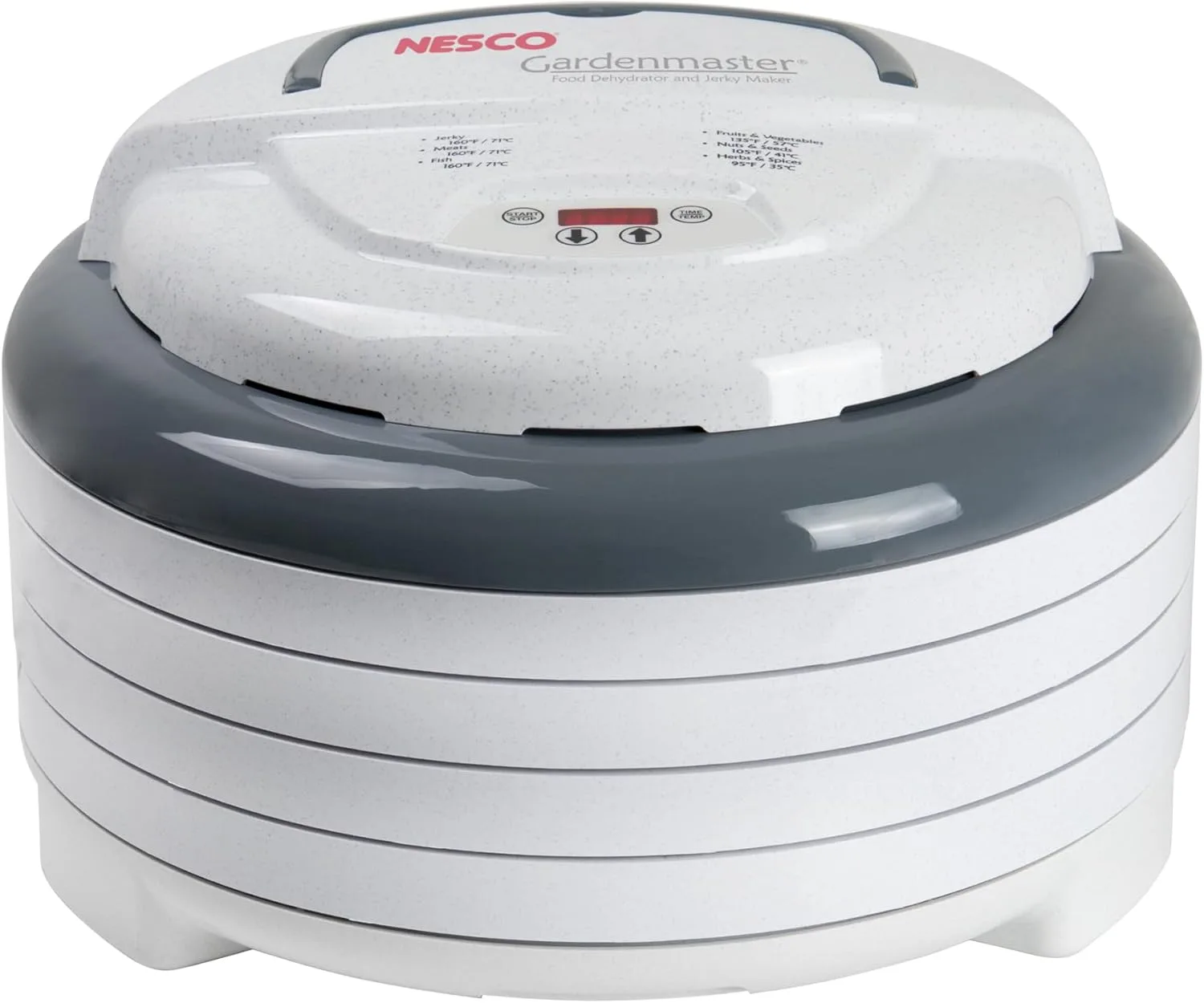
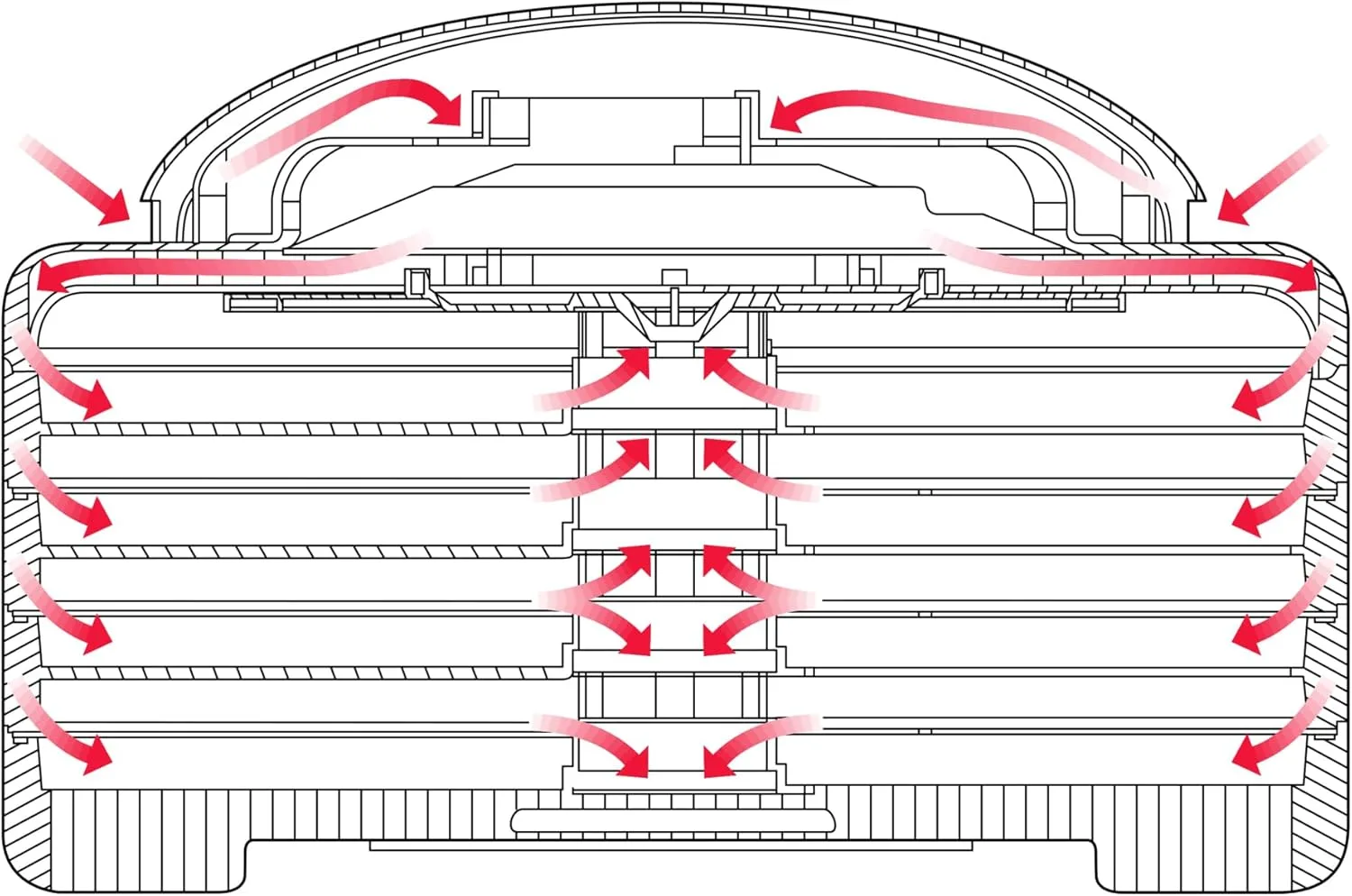
Food dehydrators generally range from $80 – $350. The one shown in this article cost’s about $130. Generally, the more trays (capacity) a dehydrator has the more expensive. However, other considerations, such as durability, rear or top mounted fans, and temperature range/control go into the cost as well.
That said, hikers should consider how much use it will take to make up for the initial cost of the dehydrator. If you make all your own meals and beef jerky instead of buying freeze-dried meals at the outdoor store, how much can you save per trip? As an example, freeze-dried spaghetti with meat sauce goes for $12 per meal. If you dried your own homemade spaghetti and meat sauce, $8 might feed the whole family. On one long weekend backpacking trip with a family of 4, you could potentially save enough to pay for a dehydrator!
It’s Easier Than You Think
Don’t let the idea of a new hobby scare you. Dehydrating food isn’t as complicated as reading a topographic map. Start with the basics:
- Experiment with Familiar Favorites: If you love apples, start by dehydrating thin slices for a simple, delicious snack. Have leftover spaghetti sauce? Turn it into a “leather” that rehydrates perfectly.
- Follow Simple Recipes: There are countless resources online with easy-to-follow instructions for everything from fruit snacks to full-fledged meals.
The Art of the Perfect Trail Meal
Dehydrating your own food is more than a practical choice—it’s a skill that will elevate your outdoor adventures. You’ll learn what foods hold up best, how to balance flavors for a perfect camp meal, and how to create truly satisfying dishes that will make your trail companions jealous.
In the end, this isn’t just about food; it’s about making your outdoor experience richer and more enjoyable. After a long day of adventure, don’t you deserve more than a sad bowl of instant noodles? Your taste buds, your wallet, and your weary muscles will all appreciate the upgrade.
Source: