Society loves to sell us the narrative that turning a certain vintage means trading our active lives for a front-row seat to gravity, rocking chairs, and an eternal quest for where we left our glasses. Conventional wisdom treats aging like a one-way street of physical decline, where slowing down is just part of the package deal. But as it turns out, our bodies didn’t actually read that memo—and thank goodness for that, because watching television marathons gets boring around year ninety anyway.
Rewriting the Rules of Frailty
For decades, the standard prescription for older adults has been to “take it easy” and stick to gentle, often seated movements. While well-intentioned, these cautious approaches stem from outdated assumptions about what the aging body can handle. A landmark study led by physical therapist Margaret Danilovich challenges this entire paradigm, proving that physical decline isn’t an inevitability—it’s a trajectory we can actively change.
The Study: Pacing Toward Progress
- Diverse Participants: The research recruited participants from 14 Chicago-area retirement communities, encompassing both affluent and low-income older adults to ensure broad representation.
- Baseline Profile: With a mean age of roughly 79, the participants were largely sedentary at the start, and nearly two-thirds relied on walkers or canes.
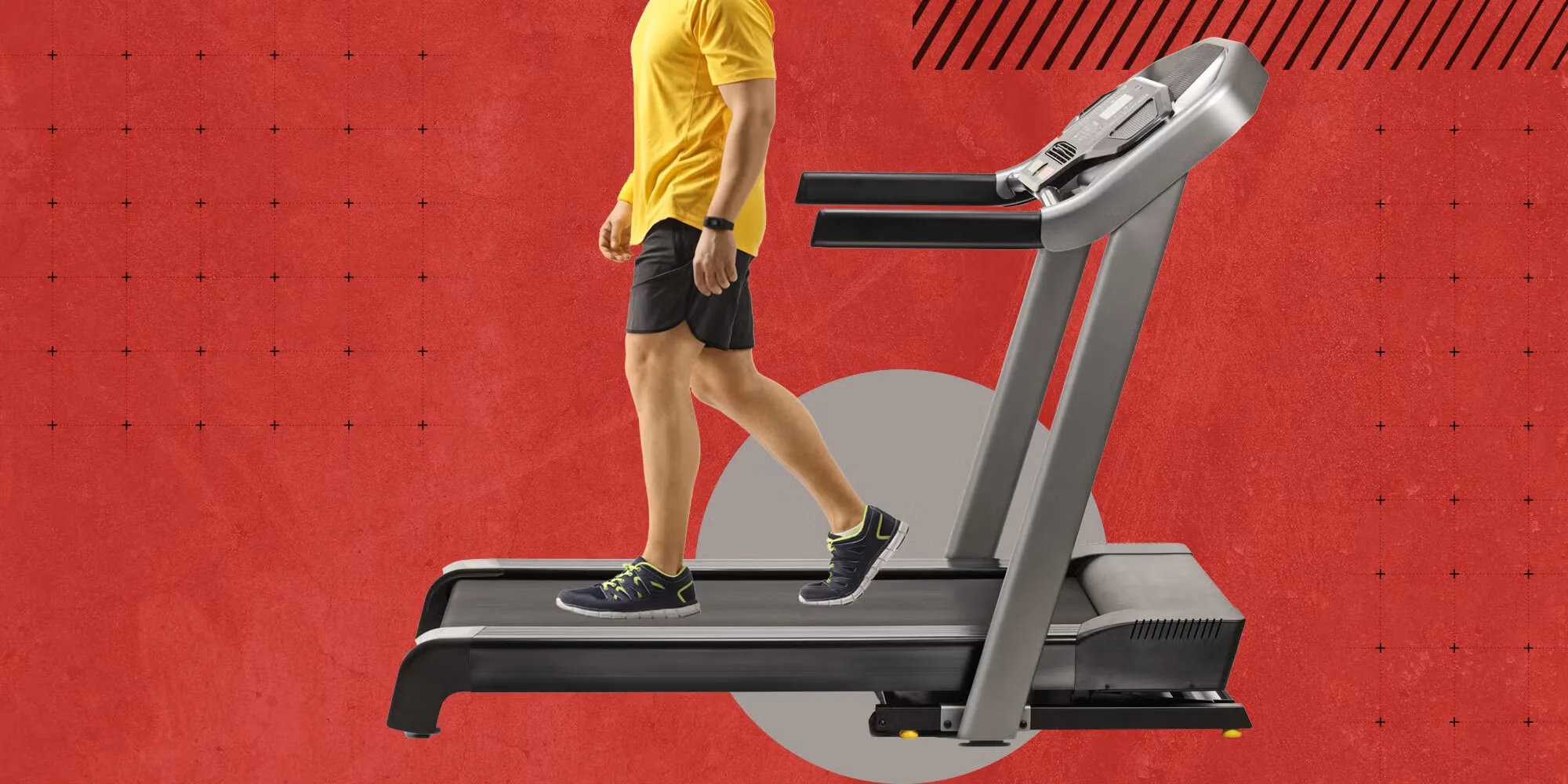
- The Intervention: Divided into two groups exercising three times a week for 45 minutes, one group walked at a casual pace, while the high-intensity group was coached to reach over 70 percent of their maximum heart rate by picking up their pace safely.
The Impressive Results
After 16 weeks, the findings shattered conventional expectations. Nearly 70 percent of participants in the high-intensity group became less frail, seeing major improvements in grip strength, balance, and general health.
- Significantly Lower Risk: Participants encouraged to walk at a faster pace had a risk of frailty nearly three times lower than the casual walking group.
- Greater Mobility: High-intensity walkers experienced larger improvements in walking speed and distance, logging nearly 1,000 more steps per day than their casual counterparts—a massive leap considering frail adults typically average fewer than 2,000 steps daily.
- Remarkable Safety: Across more than 3,300 exercise sessions, only a single, injury-free fall was recorded that was directly related to the intervention.
“You go to a senior center, and all the exercise classes are seated. Though such an approach is probably well-intentioned and driven by concerns about older adults’ safety, we are not actually giving them the intervention they need to get better.” — Dr. Margaret Danilovich
Practical Takeaways for Your Routine
If you are looking to incorporate these evidence-based insights into your own life, safety and gradual progression remain paramount. Medical literature consistently supports that structured, progressive overload—done safely—improves cardiovascular health, muscle mass, and metabolic function well into later decades.
- Consult Your Physician First: Always clear any new, higher-intensity exercise regimen with your healthcare provider, especially if you manage chronic health conditions.
- Pick Up the Pace Gradually: Start your walks at a comfortable warm-up speed, then intentionally accelerate for short intervals, aiming for a brisk pace where conversation requires a bit more effort.
- Embrace the Challenge: Understand that feeling a little bit of exertion is normal and necessary for physical adaptation. Strength and endurance do not have an expiration date.
Final Thoughts
So, the next time someone tells you to slow down and take it easy, feel free to smile, nod politely, and briskly walk past them. Growing older might mean collecting a few more funny stories and wisdom along the way, but it certainly doesn’t mean surrendering your strength. After all, your best miles might still be ahead of you—provided you remember to put a little pep in your step.
Source: