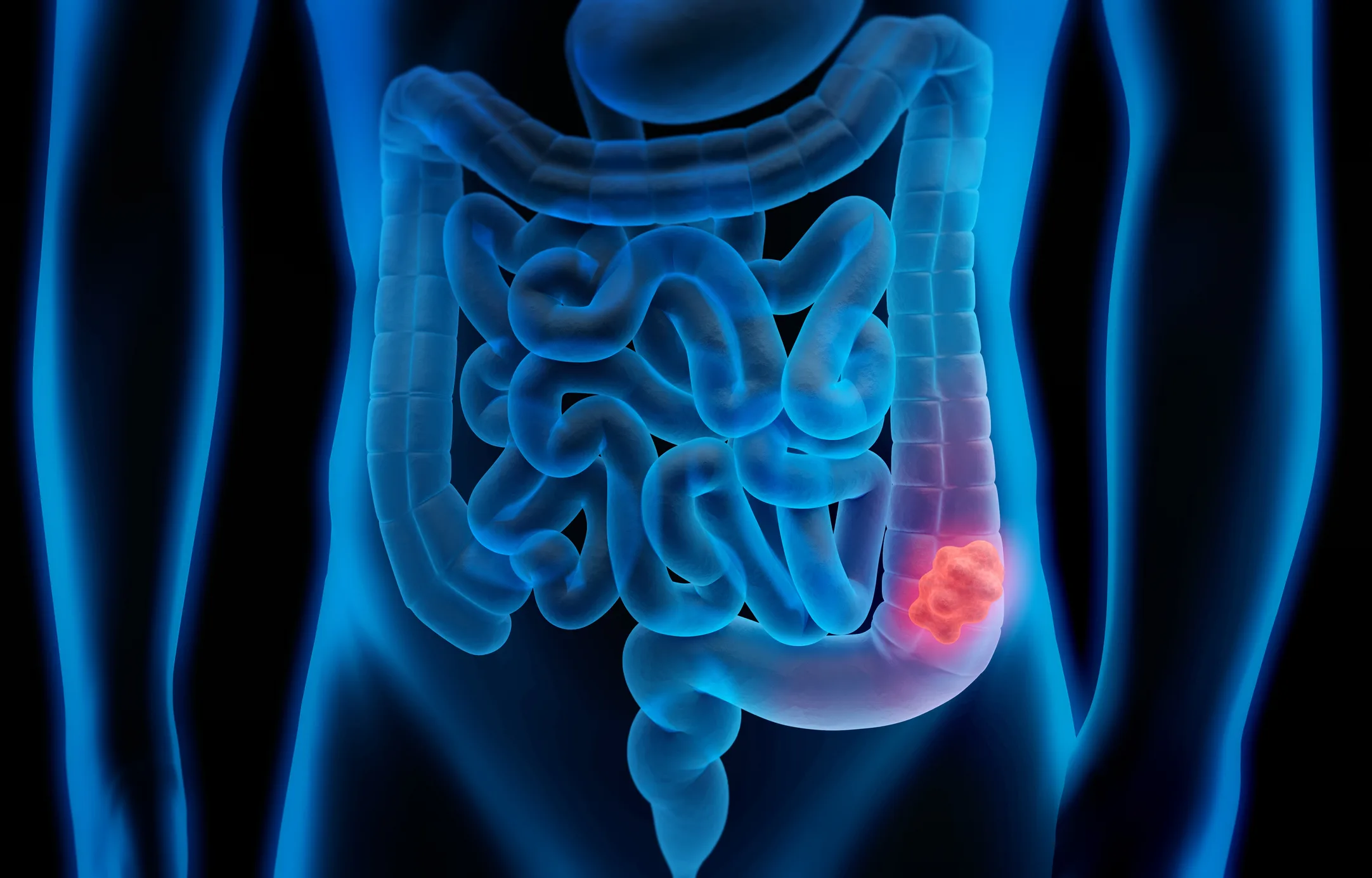
Is it just me, or does it feel like there’s a new study every week telling us what we can and can’t eat? Well, this time, the news is less about what’s for dinner and more about what’s living in your stomach. A new study suggests a common stomach bug, Helicobacter pylori (H. pylori), might be linked to a higher risk of developing Alzheimer’s disease.
The Unwanted Houseguest in Your Gut
You may have never heard of it, but chances are you’ve hosted this little bacterium. H. pylori is a surprisingly common guest, living in the stomachs of about two-thirds of the world’s population. For some, it causes a world of trouble, from simple indigestion to more serious issues like ulcers and even stomach cancer. Now, it appears this tiny pest may be causing big problems upstairs—in your brain.
A recent study zeroed in on over 4 million adults over 50. Researchers found that those with a history of H. pylori had an 11% higher chance of developing Alzheimer’s. While an 11% increase might not sound like much, in the grand scheme of things, it’s a monumental discovery. It adds to a growing mountain of evidence that infections may play a role in brain health. It turns out what’s happening in your gut might be more connected to your brain than you think.
Why This Matters for Us
With the number of people with Alzheimer’s expected to rise significantly in the coming years, finding new ways to prevent it is more crucial than ever. Since there are currently no effective treatments, prevention is our best strategy.
Antonios Douros, MD, one of the authors of the study wonders “whether vaccination or treatment against certain pathogens linked to AD puts people at less risk. While it is extremely difficult to avoid common infections throughout the course of one’s life, the argument for early intervention would certainly be strengthened if it is shown to protect against this terrible fate later on.”
As Paul Brassard, the lead author of the study, puts it, if we can treat or even prevent this bacterial infection, we might just be able to lower the risk of Alzheimer’s for some. Imagine a future where a simple screening for a stomach bug could be a step toward protecting your brain.
What’s Next?
This new research opens up exciting possibilities. Scientists are now asking questions like:
- Could a simple antibiotic treatment for H. pylori reduce your risk of Alzheimer’s?
- Should doctors start screening for this bacteria in those who may be at risk?
This study is a great reminder that our bodies are a complex network, and everything is connected. While it’s easy to get caught up in the latest headlines about vitamin D or antioxidants, this finding shows that we should also be paying attention to the tiny details, like the bacteria living in our gut. After all, a healthy stomach might just lead to a healthier mind.
Source: