Ever feel like you’re in a race against time, and time is winning? It turns out the key to slowing down the clock might be as simple as adding a little vitamin D to your daily routine. A recent Harvard study, published in The American Journal of Clinical Nutrition, suggests that this common vitamin can help keep our bodies feeling young by protecting our DNA.
Think of your chromosomes like shoelaces, and the telomeres at the ends as those little plastic tips that keep them from fraying. As we get older, those tips get shorter, which can lead to a host of health problems. But the study found that a daily dose of vitamin D might just be the secret to keeping those shoelace tips long and strong.
The Study’s Surprising Results
Researchers followed nearly 1,000 adults over 50. One group took a daily vitamin D pill, while the other took a placebo. The findings were pretty impressive:
- The group taking vitamin D showed less than half the telomere shortening compared to the placebo group.
- They also experienced fewer autoimmune diseases and had reduced markers of inflammation—a major culprit in chronic diseases of aging.
It turns out that vitamin D’s power lies in its ability to fight inflammation, which is a key cause of telomere shortening. The lead study author, Dr. JoAnn Manson, called the results “promising,” and for those of us who appreciate the simple victories in life, this is a pretty big win.
How to Get Your Daily Dose
So, how much is enough? The recommended daily intake for adults is 600-800 IU, but many experts agree that 1,000 to 2,000 IU a day is “very reasonable” and perfectly safe. Before you start a new supplement, it’s always a good idea to chat with your doctor.
Here’s how you can make sure you’re getting enough:
- Supplements: A daily vitamin D pill is an easy way to ensure you’re getting a consistent amount.
- Sunlight: Just 15 minutes of midday sun exposure a few times a week is often enough for your body to synthesize its own vitamin D. A walk outdoors is a great two-for-one deal!
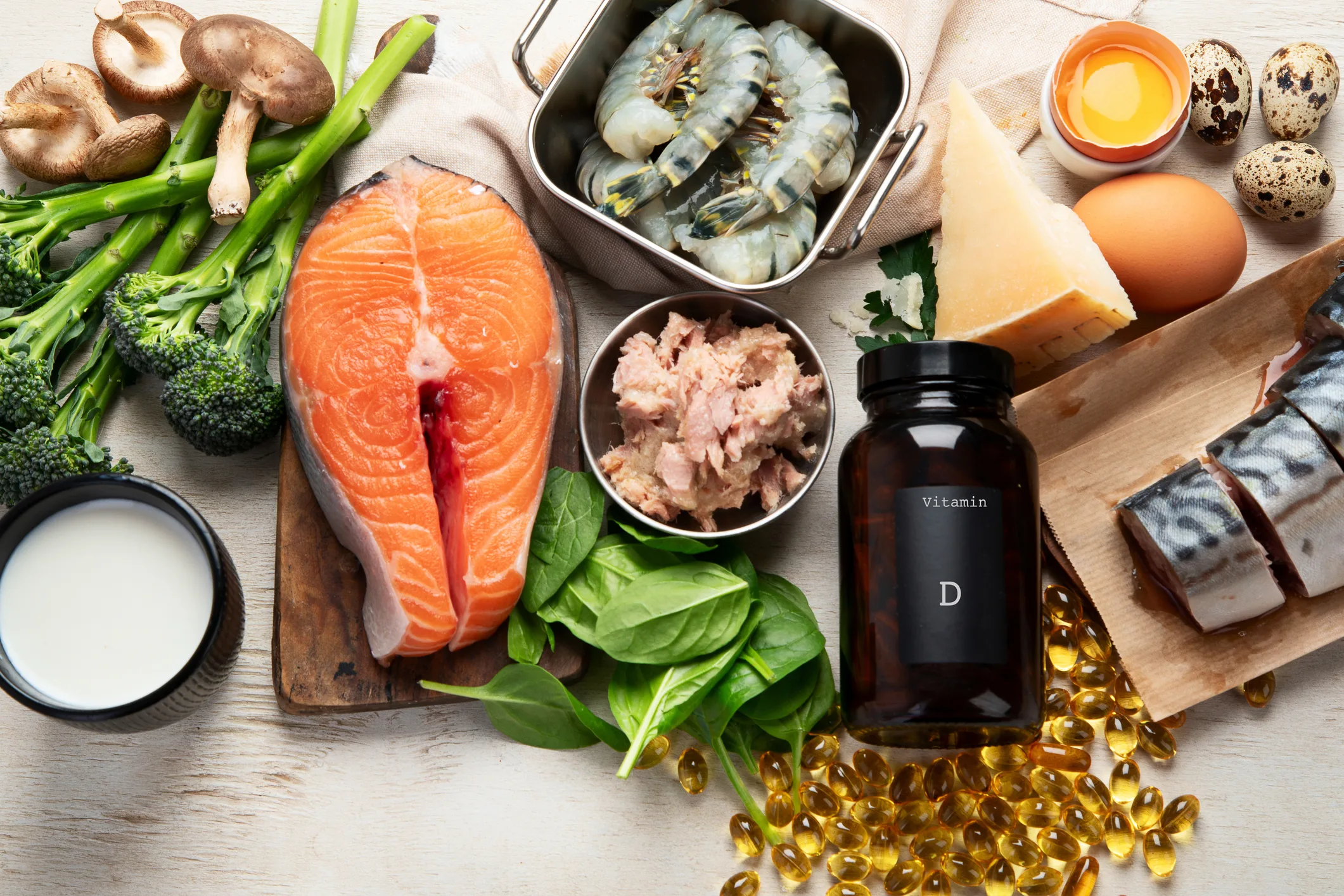
- Food: Look for fortified foods like dairy, cereals, and orange juice. Fatty fish (salmon, sardines) and wild mushrooms are also great natural sources.
A Word of Caution
While vitamin D is great, remember that more isn’t always better. Very high doses (over 10,000 IU/day) can be harmful. And no, a supplement isn’t a replacement for a healthy lifestyle. Dr. Manson reminds us that diet and exercise are still the best ways to keep your heart healthy and your body feeling fantastic. So, go ahead and pop that pill, but don’t forget to lace up those walking shoes, too!
Source: