Scroll through social media for five minutes and you’ll see 20-something influencers claiming they have found the secret to living forever. From extreme fasting and freezing ice baths to massive stacks of colorful pills, the advice is everywhere. But living to a ripe old age doesn’t mean much if you aren’t healthy enough to enjoy it. Unless your dream retirement is spending quality time in a pharmacy waiting room, living well is what actually matters.
The Gap Between Living Long and Living Well
Scientists use the word healthspan to describe the years we live in good health, free from major illness or disability.
- The Reality Check: According to the World Health Organization (WHO), the average global life expectancy is about 71 and a half years, but healthy life expectancy is only about 62 years.
- The 9-Year Gap: That leaves nearly a decade where many people deal with health struggles rather than enjoying their retirement.
The WHO focuses on functional healthspan—having the physical and mental strength to do what matters to you, whether that is gardening, traveling, or keeping up with grandkids. As we age, losing muscle, feeling winded more easily, and dealing with low-level body inflammation become common. But simple habits can slow these changes down significantly.
Can Eating Less Make You Live Longer?
Scientists have spent decades studying calorie restriction—eating 20% to 40% fewer calories while still getting essential nutrients. While this extends the lifespan of lab mice, human results are more complicated.
In a major two-year study called the CALERIE trial, healthy adults cut their daily calories by an average of 12%:
- The Good: Participants improved their blood pressure, blood sugar control, and cholesterol.
- The Bad: They lost an average of 12 pounds of body fat, but also lost about 4.5 pounds of healthy muscle mass and a bit of bone density.
Eating significantly less can improve heart health, but staying hungry all the time is tough to maintain. More importantly, losing muscle and bone strength is a real risk for older adults.
Can You Get the Benefits from a Pill?
Because strict diets are hard to stick to, researchers are testing food-based compounds that mimic the effects of fasting in our cells. These are called Calorie-Restriction Mimetics (CRMs). Here is what human studies show so far:
- Spermidine (found in wheat germ, mushrooms, nuts, and beans): People who eat more of these foods tend to live longer. However, a 12-month study of 100 older adults taking a concentrated spermidine supplement showed no memory improvements compared to a sugar pill.
- Resveratrol & Quercetin (found in red grapes, berries, green tea, and apples): One small study found that taking resveratrol along with exercise helped adults aged 65 to 80 build stronger muscles. Another study showed quercetin helped knee strength during weight training, but it didn’t make everyday tasks like standing up from a chair any easier.
- Urolithin A (made by gut bacteria when you eat pomegranates and walnuts): A trial in adults aged 65 to 90 found that supplements improved muscle endurance and cellular energy, but it didn’t help participants walk any faster or farther in a six-minute test.
While these nutrients are interesting, taking them in pill form hasn’t been proven to extend human life or replace a healthy lifestyle.
What Actually Works for Healthy Aging
Instead of searching for a miracle supplement, science shows that sticking to foundational daily habits delivers the best results.
1. Eat Whole Foods
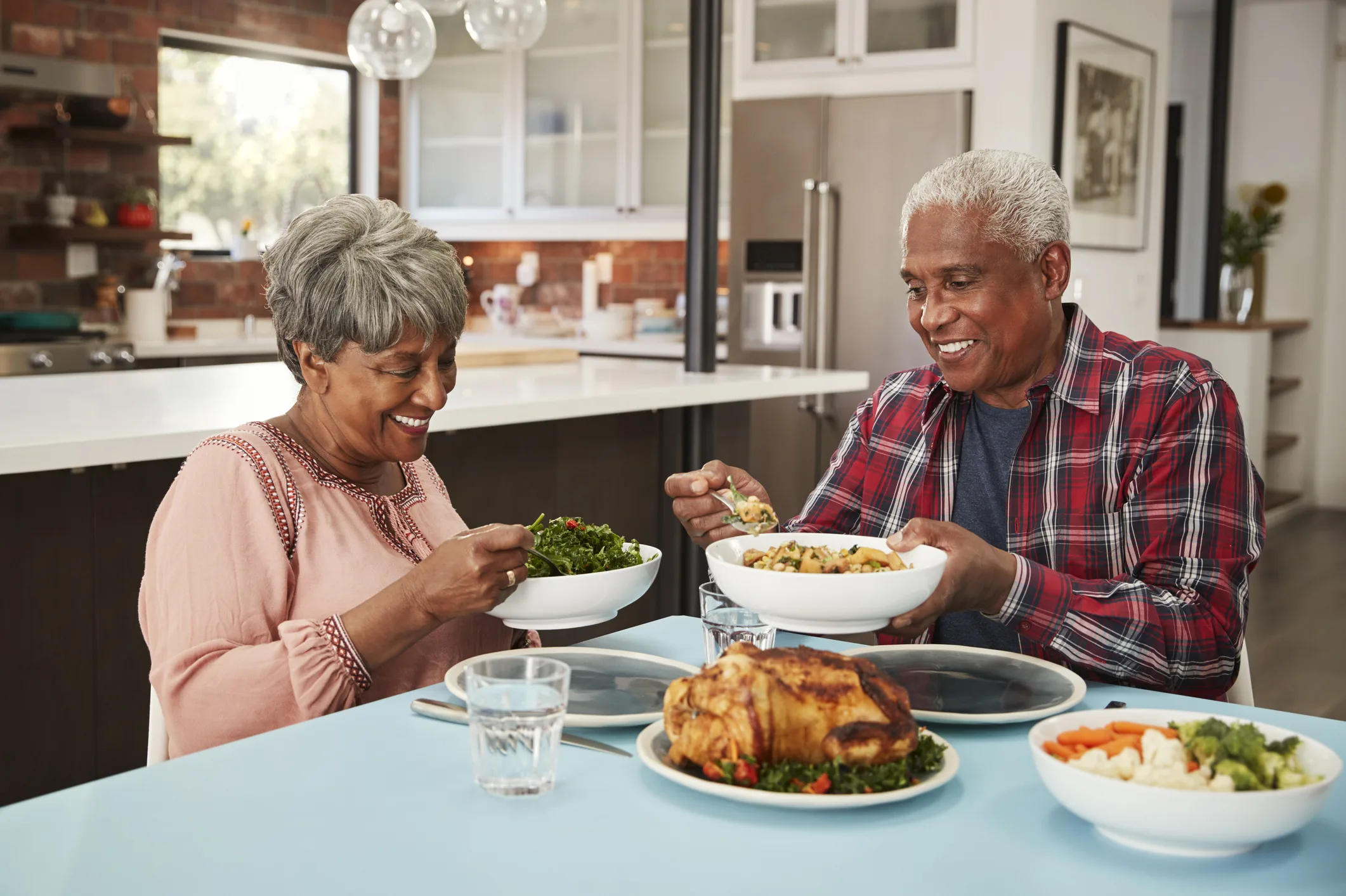
A 30-year study tracking over 105,000 adults found that people who regularly ate nutrient-dense diets were much more likely to age without chronic disease.
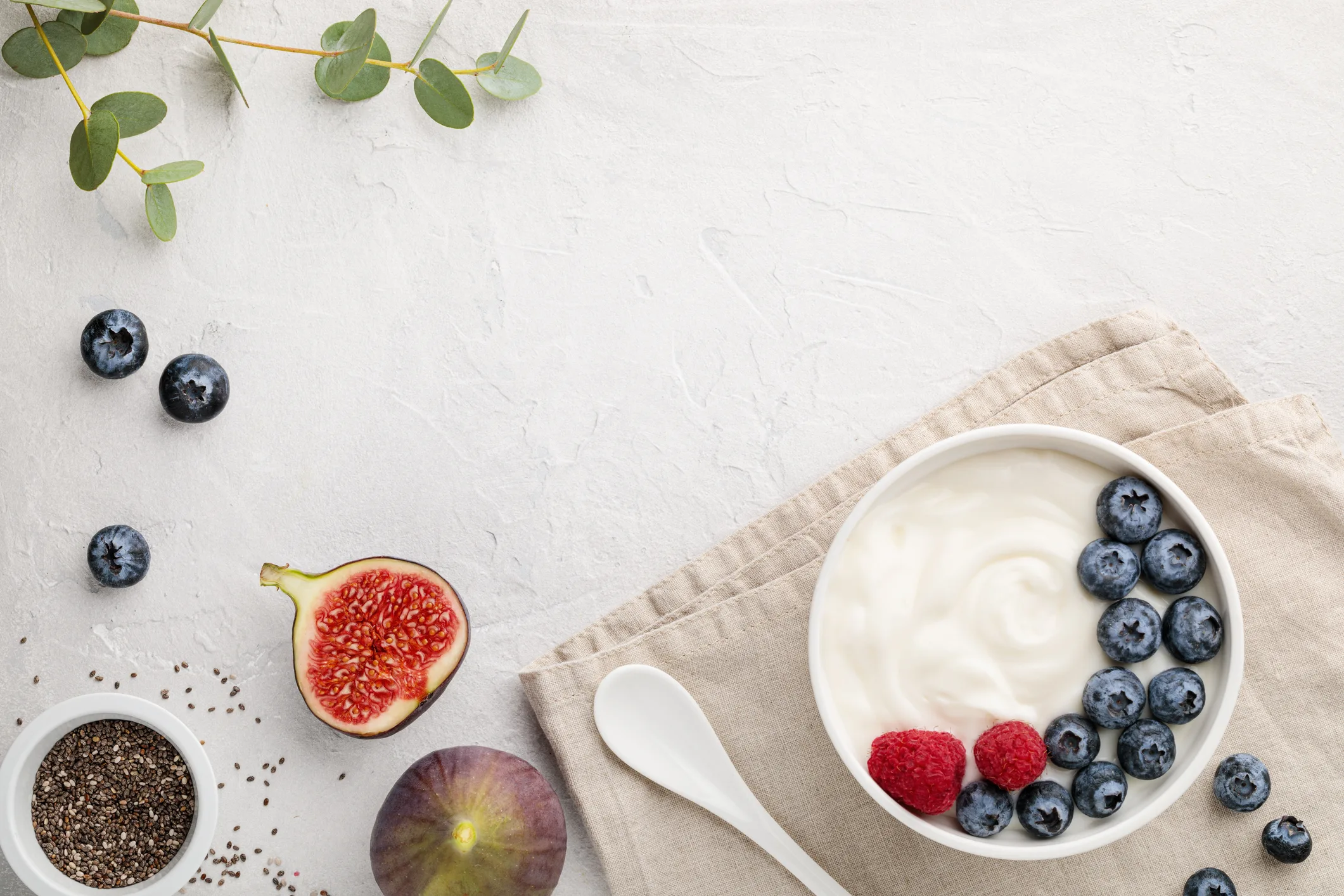
- Focus on plenty of vegetables, fruits, beans, nuts, and whole grains.
- Include healthy fats like olive oil and fish rich in omega-3s (common in Mediterranean-style eating).
- Eat enough protein to protect your muscles as you age.
2. Keep Moving
Public health guidelines strongly recommend that adults 60 and older stay active every week:
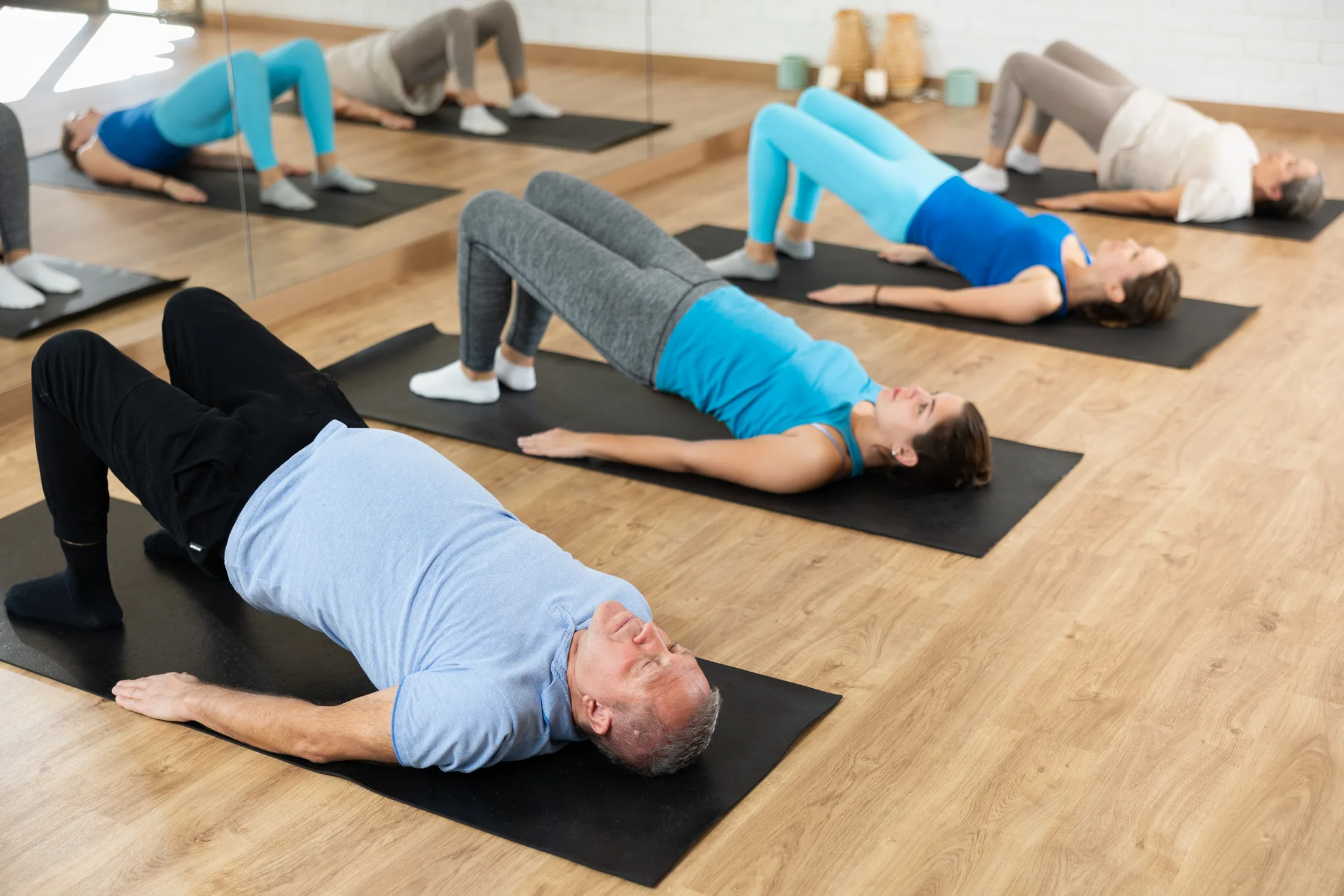
- Strength Training: Do exercises using weights, resistance bands, or your own body weight at least two days a week to protect muscle and bone density.
- Cardio: Walk briskly, swim, or cycle to keep your heart and lungs strong.
- Balance: Practice activities like Tai Chi or simple leg balances to prevent falls.
The Bottom Line
Scientists are learning incredible things about how our bodies age, but there is still no single pill or fasting routine that can replace good food and regular movement.
So before spending your hard-earned retirement money on fancy longevity supplements, stick to the proven basics: enjoy a delicious, balanced meal, head outside for a walk, stay strong, and leave the starvation experiments to the lab mice.