If you have ever walked into the kitchen only to forget why you went in there, rest assured you are in good company. While it is easy to blame the occasional memory slip on a growing collection of gray hairs, ground-breaking research suggests that your brain possesses far more resilience and adaptability than previously understood.
Recent scientific findings reveal that the mental mileage accumulated over a lifetime, paired with emotional awareness, acts as a powerful shield against cognitive decline. Aging might slow down a few gears, but a lifetime of learning and emotional depth keeps the engine running smoothly.
The Power of Cognitive Reserve
Two landmark studies conducted at the Scuola Internazionale Superiore di Studi Avanzati (SISSA) in Trieste, Italy—as part of the national Age-It: Ageing Well in an Ageing Society initiative—shed light on how adults aged 65 and older preserve mental sharpness. Published in the peer-reviewed journals Neuropsychology and Brain Sciences, the research highlights the critical role of cognitive reserve.
Cognitive reserve refers to the brain’s resilience and ability to improvise, built up over decades through formal education, intellectually challenging careers, and engaging hobbies.
- Rapid Word Retrieval: In language experiments focusing on verbal fluency, researchers evaluated how quickly individuals retrieved words during the first 10 seconds of a task. Adults over 65 with high cognitive reserve performed on par with significantly younger participants.
- Mitigating Age-Related Slowdown: While natural cognitive slowing typically shows up in those crucial first few seconds of processing, a strong cognitive reserve significantly reduces—and in some cases completely eliminates—this performance gap.
- The Positivity Advantage: Older adults consistently retrieve words associated with positive emotions faster than those tied to negative ones, demonstrating a unique interplay between emotional processing and vocabulary access.
“In our experiments, we focused on what happens during the first ten seconds of a verbal fluency task… We found that these first ten seconds are already sufficient to reveal the effects of both ageing and cognitive reserve on language performance. Cognitive reserve helps keep the brain ‘young’, at least when it comes to language and word retrieval.”
— Elisabetta Pisanu, Lead Author (Neuropsychology study)
Working Memory and Emotional Intelligence
The second SISSA study explored working memory—the mental workbench used to temporarily retain, process, and manipulate information during daily tasks.
Researchers asked older adults to perform working memory tasks involving human faces, requiring them to focus on either the age or the emotional expression shown. The findings established that cognitive reserve consistently improves task accuracy across the board. However, when tasks involved emotional content, performance saw a distinct boost.
- Enhanced Task Efficiency: When information carries emotional significance, older adults demonstrate greater processing efficiency.
- Deeper Processing Dynamics: Participants with higher emotional intelligence—the ability to identify, understand, and manage emotions—took slightly longer to respond to emotional stimuli. Rather than signaling a delay, researchers found this extra time reflected a deeper, more deliberate cognitive analysis of the emotional information.
- Synergistic Brain Function: Cognitive reserve and emotional skills do not operate in isolation; they function as a unified system to support healthy brain aging.
“Understanding how to preserve cognitive abilities for as long as possible is essential—not only to improve people’s quality of life, but also to help ensure the sustainability of healthcare and social welfare systems. Our findings show that an intellectually stimulating life helps preserve a wide range of cognitive functions… while emotional skills make a significant contribution to efficiency.”
— Dr. Raffaella Rumiati, Neuroscientist and Principal Investigator at SISSA
Practical Strategies to Build Cognitive and Emotional Resilience
Backed by clinical neuro-research and insights from major longevity initiatives, older adults can actively strengthen their mental foundation through straightforward daily practices:
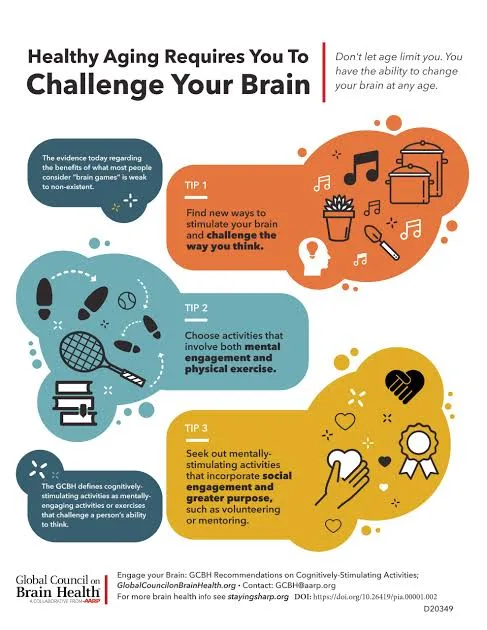
- Engage in Novel Learning: Activities that push you outside your comfort zone—such as learning a foreign language, playing a musical instrument, or mastering complex strategy games—build new neural pathways far more effectively than repetitive tasks.
- Cultivate Emotional Connections: Nurturing meaningful social relationships and practicing emotional mindfulness enhances emotional intelligence, which directly aids working memory performance.
- Focus on Positive Information: Surrounding yourself with positive social interactions and uplifting media leverages the brain’s natural tendency in later life to process positive information more efficiently.
- Maintain an Active, Purposeful Lifestyle: Combining mental challenges with physical movement and community involvement offers optimal protection against cognitive decline.
Takeaway
At the end of the day, getting older does not mean handing over the keys to your cognitive vitality. Every book you have read, every complex problem you have solved, and every emotion you have navigated has built a sturdy mental retirement account that pays daily dividends. So go ahead and take up that new challenge or start that complex project—your brain has been preparing for it your whole life, and it is more than ready for the workout.
Source:
Healthy aging: Training the mind and emotional skills helps keep the brain healthy