If you have ever found yourself making a distinct, involuntary groan when standing up from a comfortable armchair, congratulations—you are officially part of an exclusive club. While many of us over 60 take pride in maintaining our step counts or keeping up with general exercises, there is a crucial muscle group often left completely off the radar: the hip flexors.
These internal powerhouse muscles quietly perform the vital work of keeping us upright, balanced, and mobile. Neglecting them can gradually turn daily tasks—like climbing stairs or tying a shoe—into unnecessarily heroic efforts.
What Are the Hip Flexors?
The hip flexors are a collection of stabilizer muscles located at the front of the pelvis, spanning the region between the lower spine, hips, and upper thighs. The core components of this system include:
- Psoas Major: Originates along the lower lumbar spine and connects down to the femur.
- Iliacus: Begins at the inner surface of the pelvic bone and joins the psoas.
- Iliopsoas: The functional unit created by the psoas major and iliacus working together to flex the hip joint and stabilize the lower back.
- Rectus Femoris: One of the four quadriceps muscles that crosses both the hip and knee joints to assist in leg elevation.
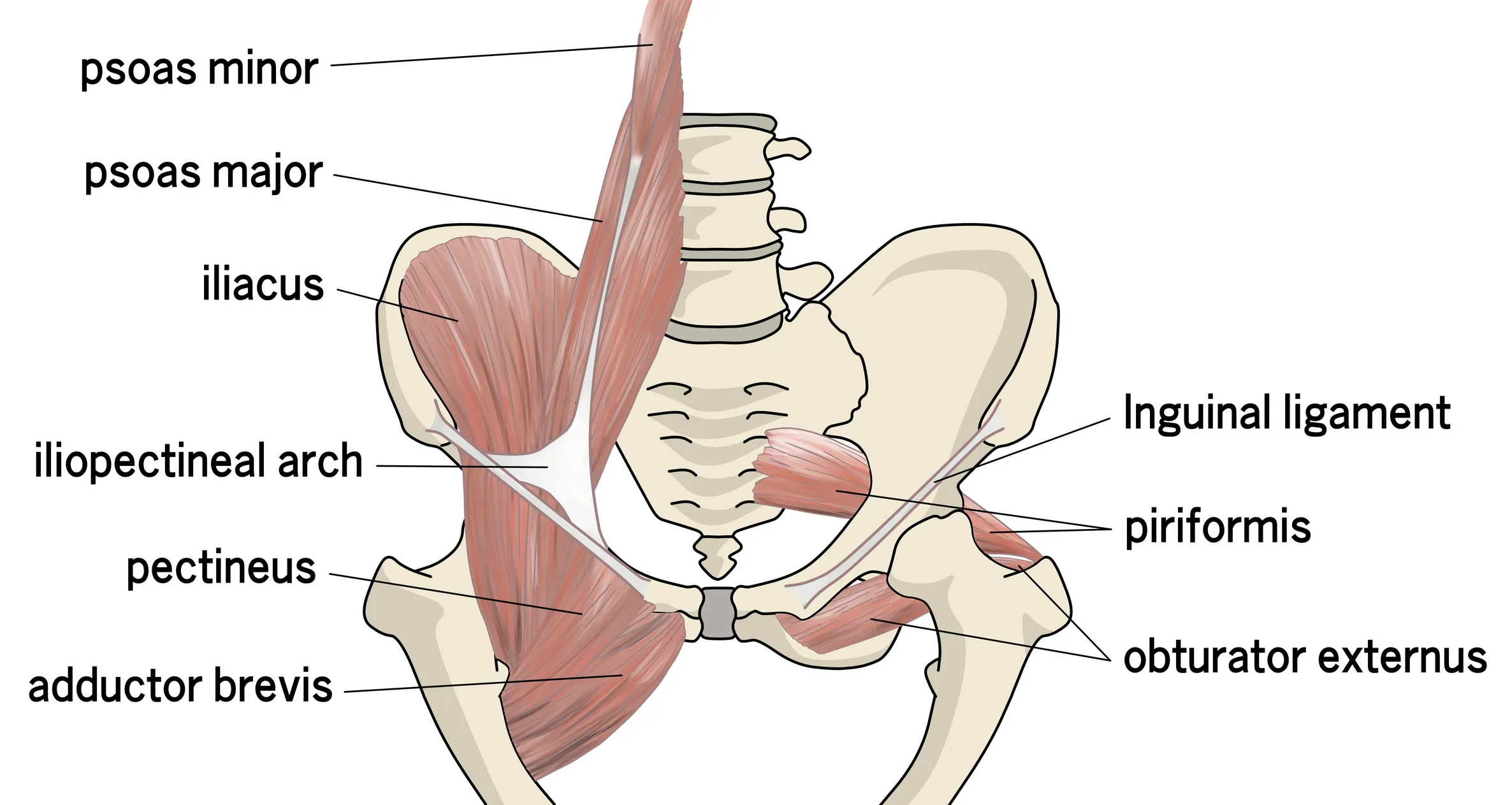
Together, these muscles enable hip flexion—the fundamental movement required to lift your knee toward your torso, stabilize your pelvis while standing, and maintain posture.
When we spend extended periods sitting, these muscle fibers remain in a shortened state. Over time, chronic sitting causes the hip flexors to become tight, stiff, and functionally weak.
Why Hip Flexor Strength Matters for Adults 60+
As the body ages, natural declines in lean muscle mass (sarcopenia) and bone mineral density accelerate if not actively counteracted. Weakness in the hip flexors directly accelerates physical decline and compromises independence.
1. Functional Mobility and Gait Preservation
Research published in the Archives of Gerontology and Geriatrics evaluated the specific role of hip flexor strength in older adults. The findings demonstrated that individuals with reduced hip flexor strength experienced a measurable decline in overall physical function and gait performance. Strong hip flexors are essential for generating step clearance, preventing shuffling, and allowing smooth navigation over uneven surfaces or curbs.
2. Balance, Stability, and Fall Prevention
The iliopsoas complex acts as an internal guy-wire for the spine and pelvis. When these muscles weaken, the pelvis can tilt abnormally, shifting your center of gravity. This mechanical instability increases postural sway, making simple balance adjustments much harder and elevating the risk of falls.
3. Lower Back and Joint Protection
Tight or weak hip flexors pull directly on the lumbar spine. This constant anterior pull causes compensating strain in the lower back, hamstrings, and gluteal muscles. Restoring strength and mobility to the hips redistributes force evenly across the kinetic chain, relieving chronic lower back stiffness and hip joint pain.
“Motion is lotion.” — A foundational rule of physical therapy emphasizing that low-impact, consistent movement lubricates joints, conditions connective tissue (fascia), and preserves range of motion.
Targeted Exercises for Hip Strength and Mobility
Building hip strength does not require high-impact exercise or specialized gymnasium machinery. Low-impact, controlled resistance training yields the best results for joint longevity and fascia health.
Recommended Mobility and Strength Movements
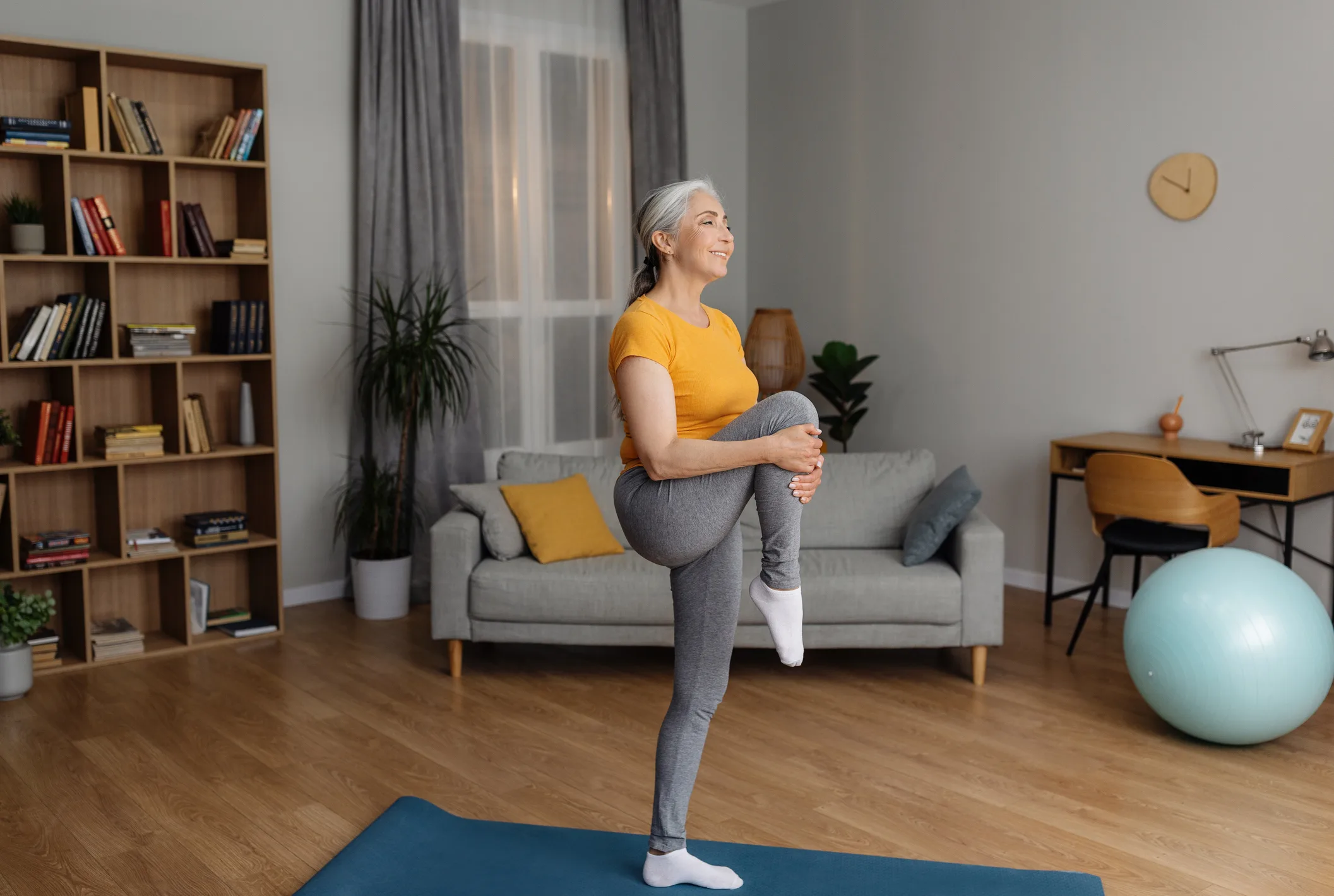
- Standing Knee Raises: Stand upright while holding onto a stable surface (such as a sturdy chair or kitchen counter) for balance. Slowly lift one knee toward the chest until the thigh is parallel to the floor, pause briefly, and lower under control. Repeat 8–10 times per leg.
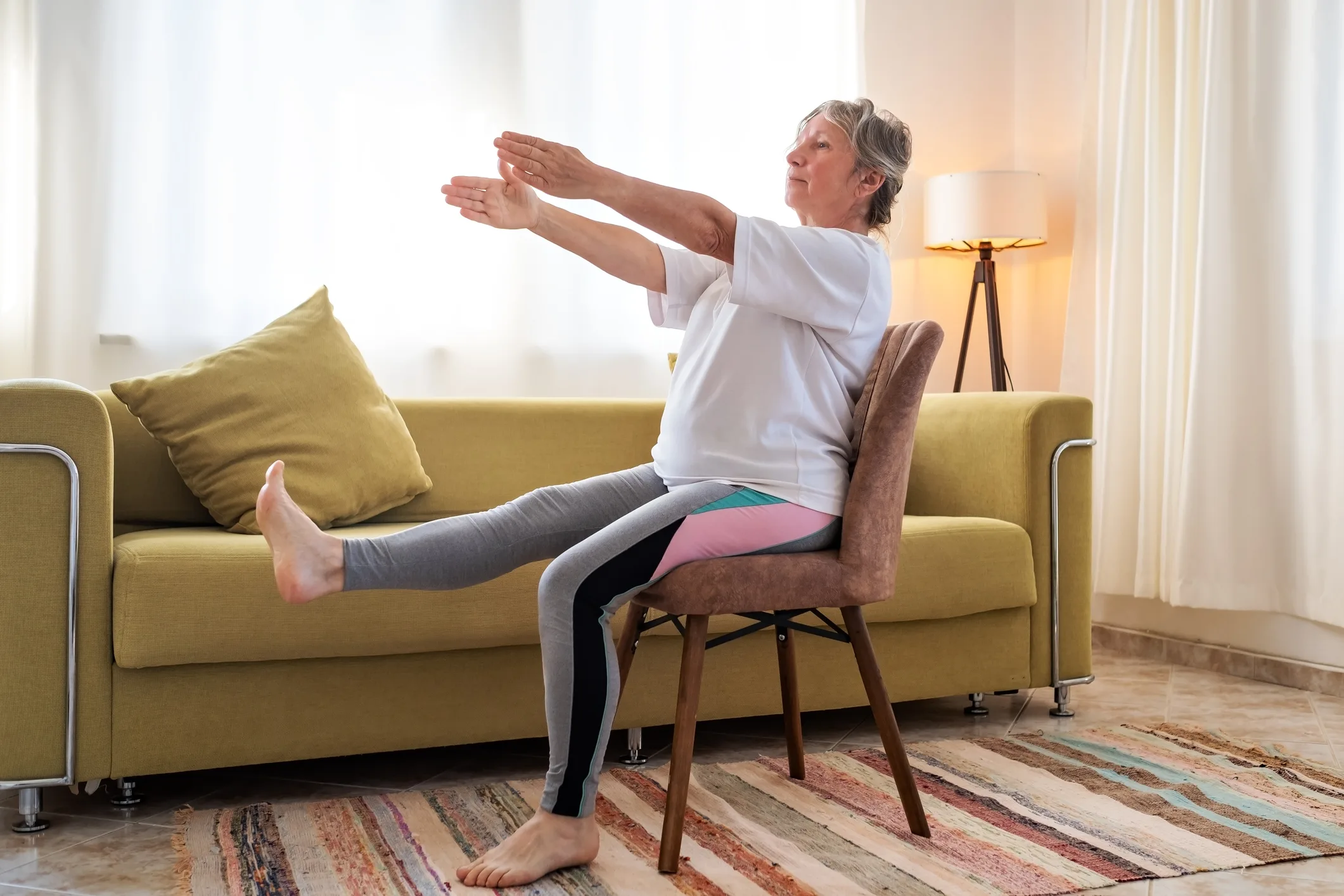
- Seated Hip Flexions: Sit near the edge of a firm chair with flat foot placement. Without leaning backward, lift one leg a few inches off the seat while maintaining a 90-degree bend at the knee. Hold for 2 seconds, then lower.
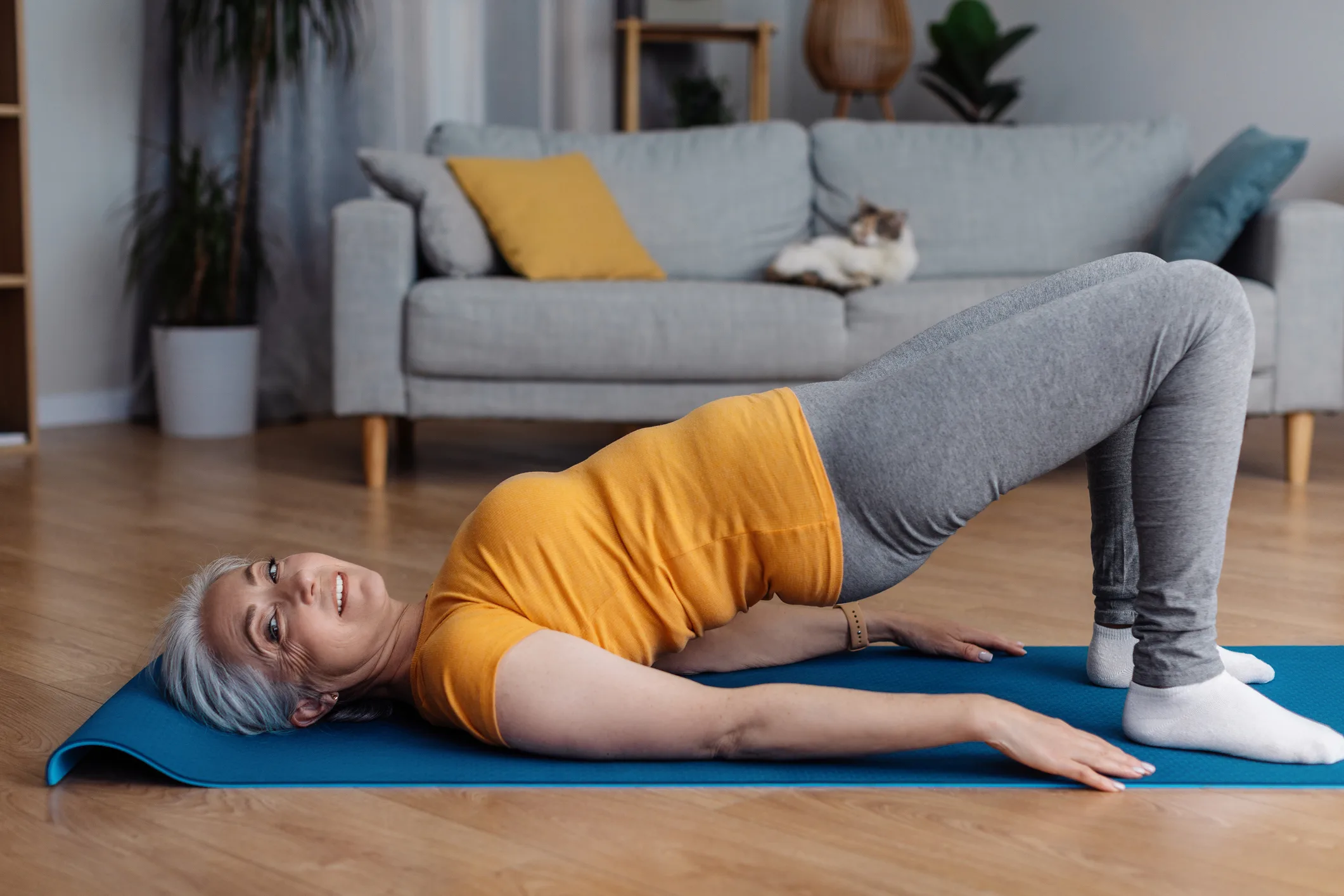
- Bodyweight Hip Thrusts (Glute Bridges): Lie on your back with knees bent and feet flat on the floor. Drive through the heels to raise the hips until your body forms a straight line from knees to shoulders. This strengthens the glutes and hamstrings, providing necessary muscular balance to the hip flexors.
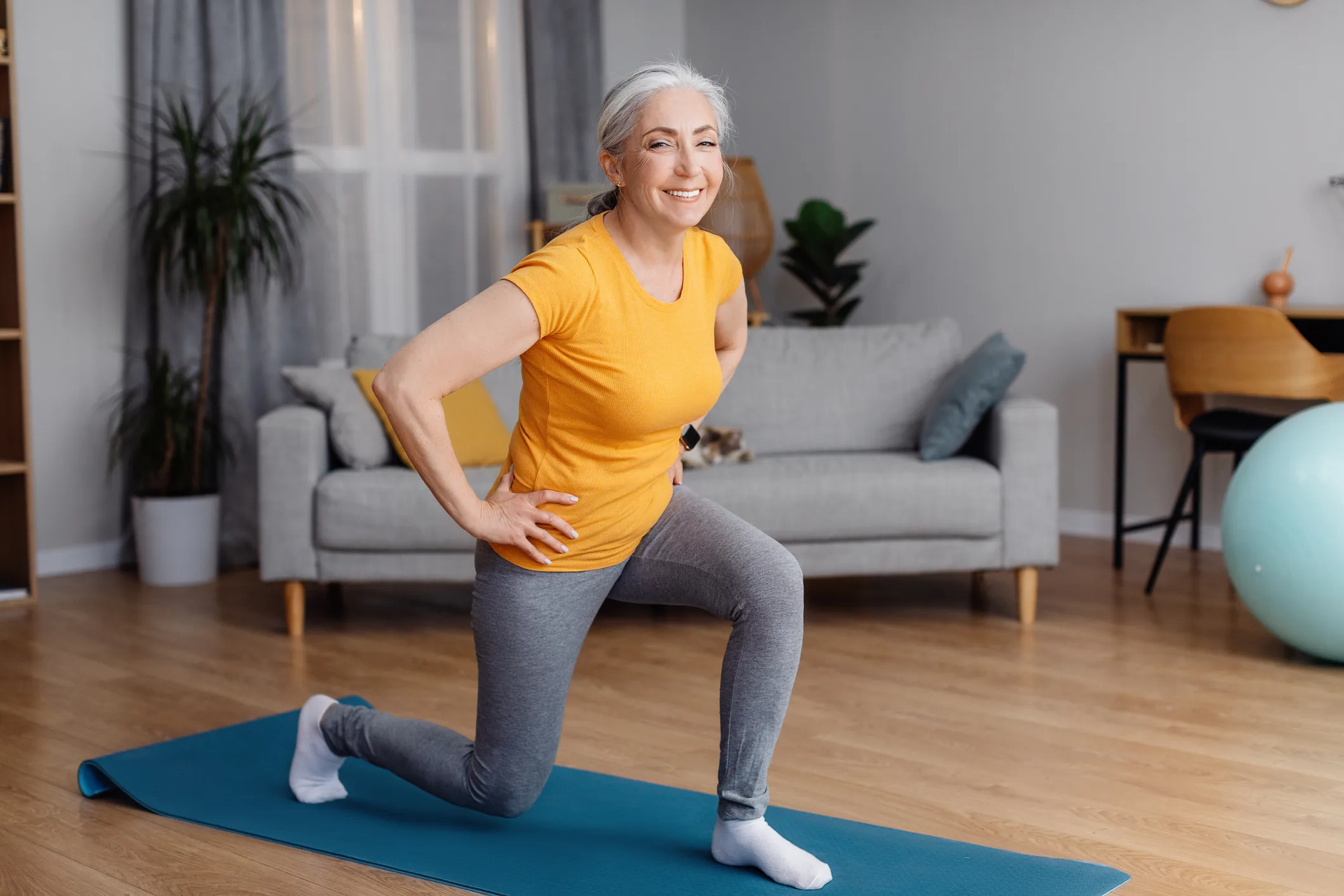
- Controlled Split Squats or Modified Lunges: Using a wall or chair for support, step one foot back and gently lower your rear knee toward the floor to stretch the trailing hip flexor while strengthening the front leg.
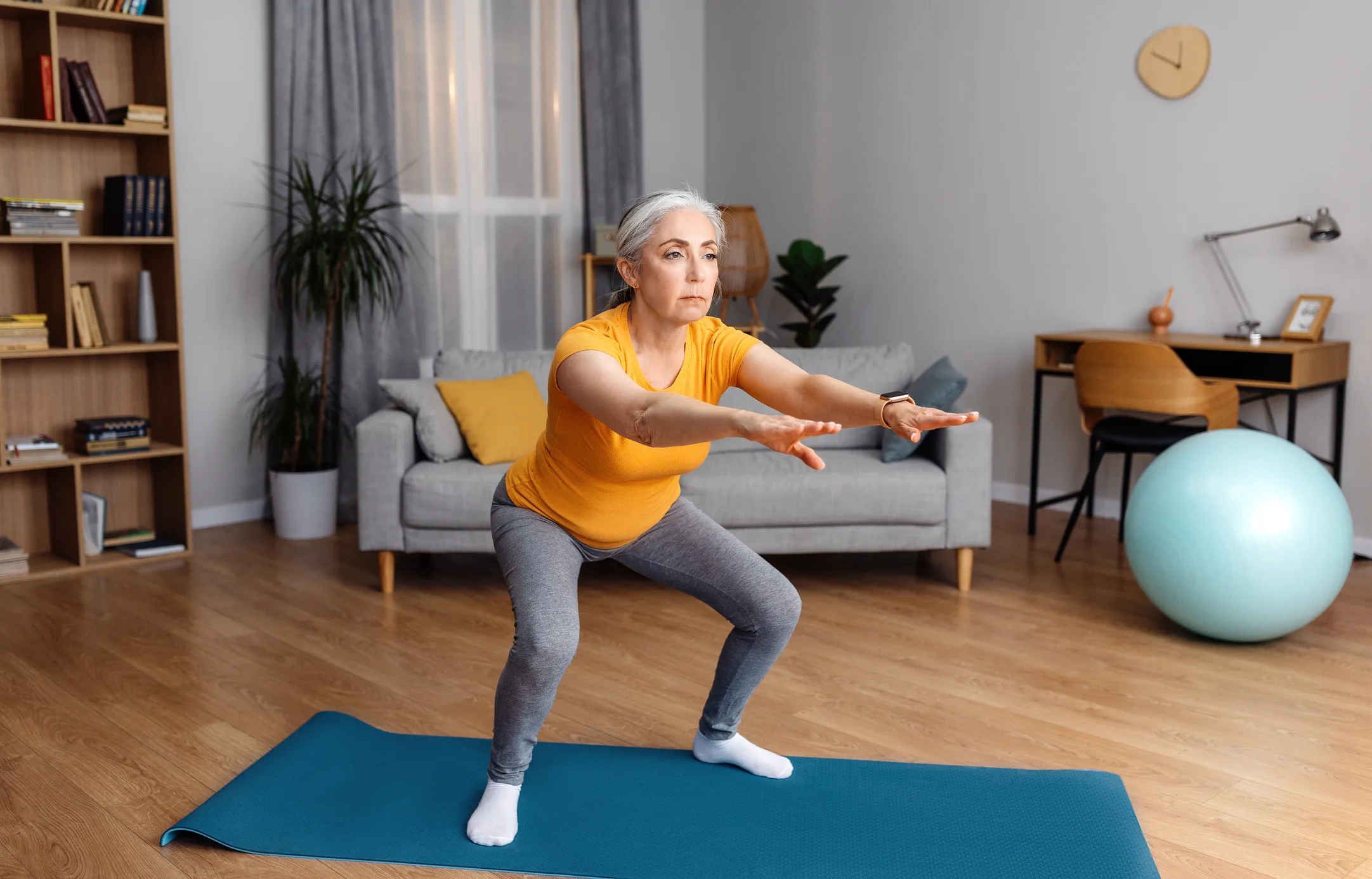
- Cossack Squats (Lateral Lunges): Shift weight side-to-side in a wide stance to target inner thighs (adductors) and build lateral stability.
Integrating Hip Care Into Your Routine
To maintain long-term mobility, consistency outperforms intensity:
- Prioritize Movement Frequency: Avoid remaining seated for more than 45–60 minutes at a time. Brief standing breaks restore blood flow and prevent hip flexor shortening.
- Pair Mobility with Daily Habits: Perform 3–5 minutes of gentle hip raises or stretches while waiting for water to boil or watching evening news broadcasts.
- Address Surrounding Musculature: Ensure your exercise routine also includes work for the lower back, glutes, hamstrings, and inner thighs to support overall pelvic stability.
Takeaway
Taking care of your hip flexors won’t guarantee you’ll leap tall buildings in a single bound, but it will certainly make getting out of your favorite armchair feel a lot less like a athletic feat. Prioritize these underappreciated muscles today, and your future self will thank you with every smooth, pain-free step.
Source: