Ah, the festive season—that magical time of year when calories don’t count, elastic waistbands become our closest confidants, and we collectively agree that horizontal resting is a competitive sport. For those of us navigating our golden decades, the holidays offer a wonderful chance to catch up with family, provided we can successfully locate our reading glasses first. But amidst the feasts and the television marathons, staying physically active remains one of the best investments we can make in our vitality, keeping our joints lubricated and our energy levels up without requiring us to climb Everest before breakfast.
The Science of Movement in Later Life
As we age, maintaining regular physical activity is critical for preserving mobility, bone density, cardiovascular health, and cognitive function. According to gerontological research, moderate, consistent movement significantly reduces the risk of chronic conditions, enhances balance, and prevents falls. Incorporating fitness into family holiday gatherings does not require grueling regimens; rather, it thrives on consistency, enjoyment, and safe, low-impact activities tailored specifically to the physiological needs of older adults.
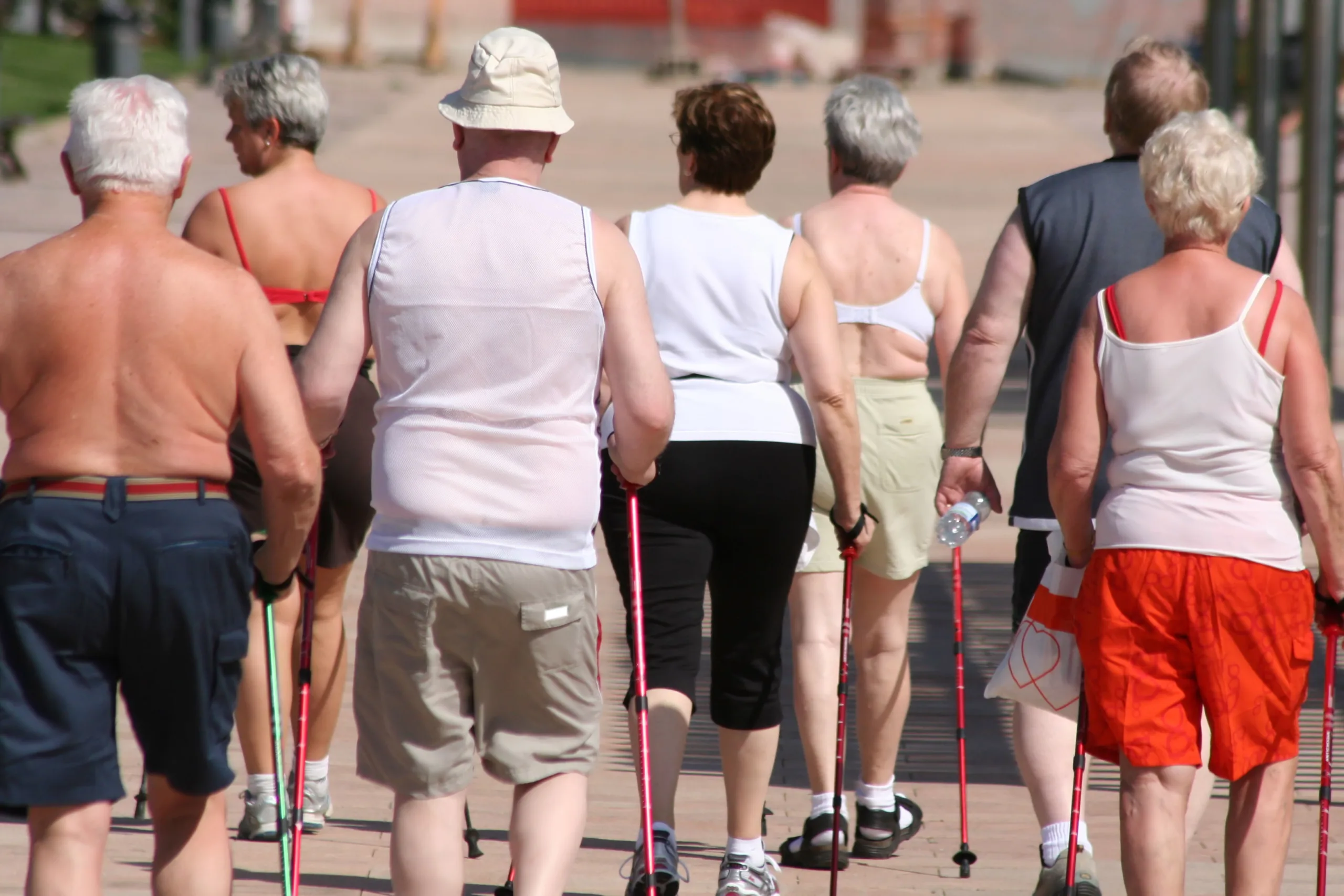
Refreshing Morning Walks
Starting the day with a gentle walk is an ideal way to awaken the body, improve circulation, and enjoy the fresh air.
- Optimal Timing: Aim for a 20 to 30-minute walk during the cooler morning hours to avoid peak temperatures.
- Intergenerational Connection: Walking alongside children, grandchildren, or peers provides an excellent avenue for conversation and shared bonding.
- Pacing and Joint Health: Maintain a comfortable, conversational pace that elevates the heart rate without placing undue strain on the knees and hips.
“Regular walking among older adults is associated with improved cardiovascular endurance, better glycemic control, and enhanced psychological well-being.” — Journal of Aging and Physical Activity
Low-Impact Rhythm and Movement
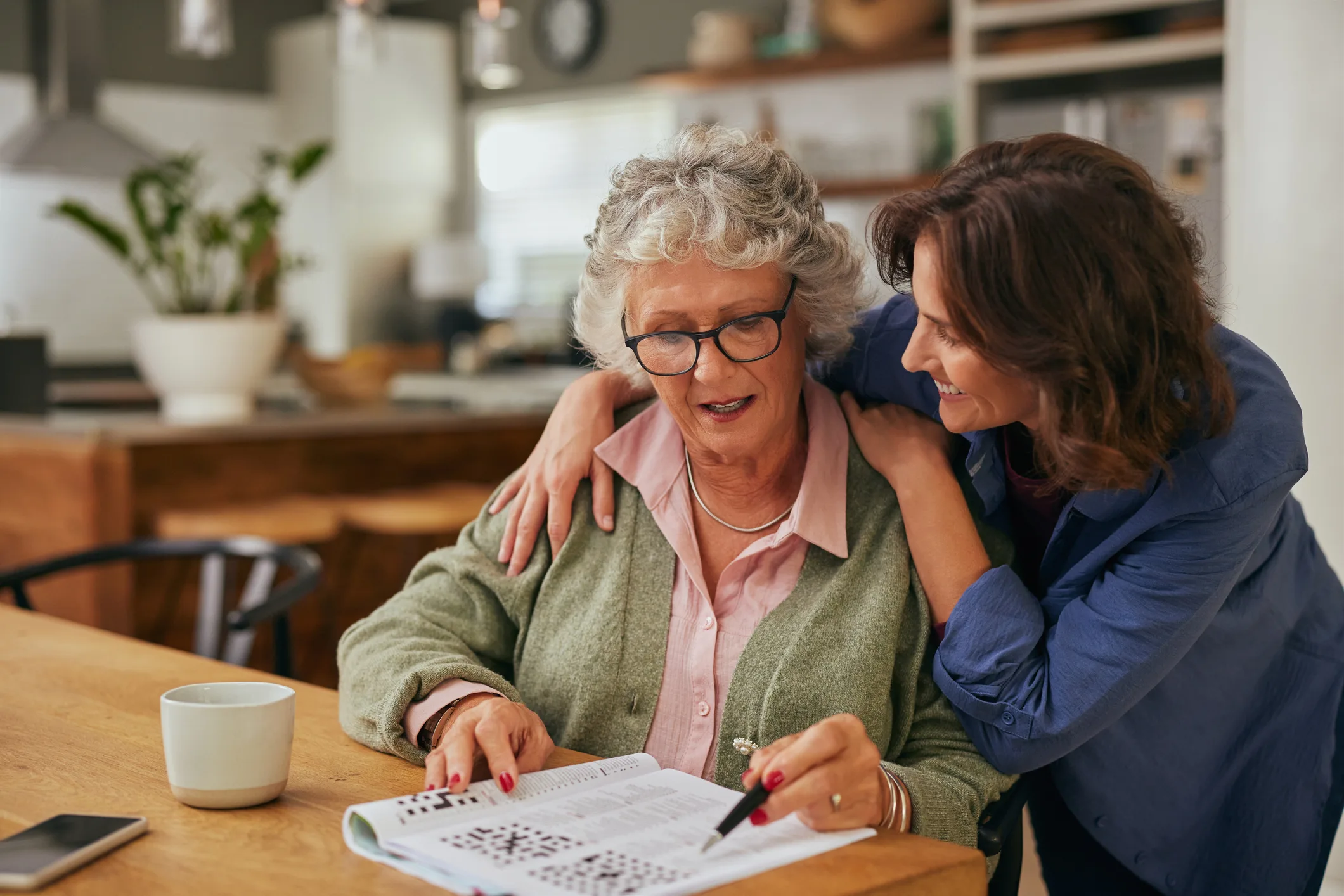
Movement combined with music stimulates both the body and mind, supporting neuroplasticity, coordination, and mental sharpness.
- Adaptable Dance Sessions: Turn a living room or shaded patio into a gentle movement space using familiar tunes or traditional rhythms.
- Mobility Accommodations: Allow each family member to select a favorite song, accommodating various mobility levels by incorporating seated or standing movements.
- Proprioception and Stability: Rhythmic stepping and swaying help maintain core stability and spatial awareness, which are vital for fall prevention.
Safe Outdoor Exploration and Cycling
For those comfortable on wheels or seeking outdoor engagement, cycling and nature strolls offer unique physiological benefits.
- Controlled Environments: Choose flat, traffic-free paths, botanical gardens, or park trails for cycling or brisk walking.
- Low-Impact Leg Strengthening: Cycling strengthens the quadriceps and hamstrings while minimizing weight-bearing stress on weight-bearing joints.
- Safety Protocols: Always prioritize safety by wearing helmets, utilizing proper lighting if needed, and carrying adequate hydration.
Gentle Strength and Flexibility Routines
Maintaining muscle mass (sarcopenia prevention) and joint flexibility is paramount for preserving long-term independence.
- Modified Exercises: Create a simple seven-day routine featuring seated leg extensions, gentle wall squats, shoulder rolls, and light stretching.
- Personalized Approach: Tailor movements to individual physical capacities, emphasizing proper form over speed or repetition counts.
- Celebrating Consistency: Focus on participation and movement milestones rather than rigid completion records.
Hydration and Environmental Safety
Warmer festive weather demands heightened vigilance regarding fluid intake and thermal regulation, as older adults are more susceptible to dehydration.
- Consistent Fluid Intake: Drink water regularly throughout the day, even before feeling thirsty.
- Nutritious Additions: Incorporate water-rich seasonal fruits like watermelon, oranges, and pineapple into daily routines.
- Thermal Management: Schedule outdoor activities during early morning or late afternoon hours to prevent overheating and fatigue.
Takeaway
In the end, the true measure of a successful holiday season isn’t how many push-ups you managed while the turkey was roasting, but the shared laughter and memories created along the way. So, lace up those comfortable walking shoes, pace yourselves against the younger generation’s seemingly limitless battery life, and remember that staying active together is simply about keeping the engine running smoothly—no emergency pit crews required.