What are probiotics?
Probiotics are live microorganisms, primarily bacteria, that are similar to the beneficial bacteria that naturally colonize the human gut. When consumed in adequate amounts, they offer various health benefits.
Why is gut health so important?
Your gut houses trillions of bacteria, collectively known as the gut microbiome. This intricate ecosystem plays a crucial role in various bodily functions. Some examples include:
- Digestion: Bacteria in your gut help break down certain complex carbohydrates and dietary fibers that you can’t break down on your own. They produce short-chain fatty acids — an important nutrient — as byproducts. They also provide the enzymes necessary to synthesize certain vitamins, including B1, B9, B12 and K.
- Immunity: Bacteria in your guts can elicit an effective immune response against viruses that not only infect the gut, such as norovirus and rotavirus, but also those infecting the lungs, such as the flu virus. The beneficial gut microbes do this by ordering specialized immune cells to produce potent antiviral proteins that ultimately eliminate viral infections.
- Mental health: Research has shown a potential link between gut microbiome and autism, anxiety and depression
- Overall health: When things begin to go awry in your gastrointestinal tract, you can quickly begin to experience fatigue, inflammation, nausea, and stomach pain.
How can probiotics benefit gut health?
- Maintaining Balance: Probiotics replenish and balance the gut microbiome, which can be disrupted by factors like antibiotics, poor diet, and stress
- Improving Digestion: They aid in digestion by producing enzymes that break down food and absorbing nutrients
- Boosting Immunity: A healthy gut microbiome supports a strong immune system by producing antibodies and preventing the growth of harmful pathogen. Probiotic bacteria can interact and stimulate intestinal immune cells. Probiotics can therefore improve the host immune system and induce important beneficial effects, allowing the prevention and/or management of immune/inflammatory-related diseases including Irritable Bowel Syndrome (IBS) and certain cancer types.
- Reducing Inflammation: Research has shown probiotics can help reduce inflammation in the gut, which is associated with various conditions, including inflammatory bowel disease (IBD), and other gastrointestinal (GI) problems.
- Relieving Digestive Symptoms: Probiotics may be effective in relieving symptoms of certain digestive disorders, such as diarrhea and constipation.
- After Antibiotic Use: Probiotics are particularly helpful to counteract the disruptive effects of antibiotics on the gut microbiome. Contrary to popular belief, research shows that following a course of antibiotics, you should NOT take probiotic supplement as this slows the balanced return of the diverse and complex colonies of microbes that are unique to each person’s microbiome. Instead, you should eat probiotic rich foods as mentioned below.
How can you increase your level of probiotics?
- Eat Probiotic Rich Foods: Eat probiotic foods such as fresh vegetables, leafy greens, legumes, nuts and fruit that contain fiber and micronutrients. It’s also good to include plenty of fermented foods, as well, such as yogurt, kefir, kombucha, pickles, miso, sauerkraut and fermented tea. Be sure to choose products with live cultures.
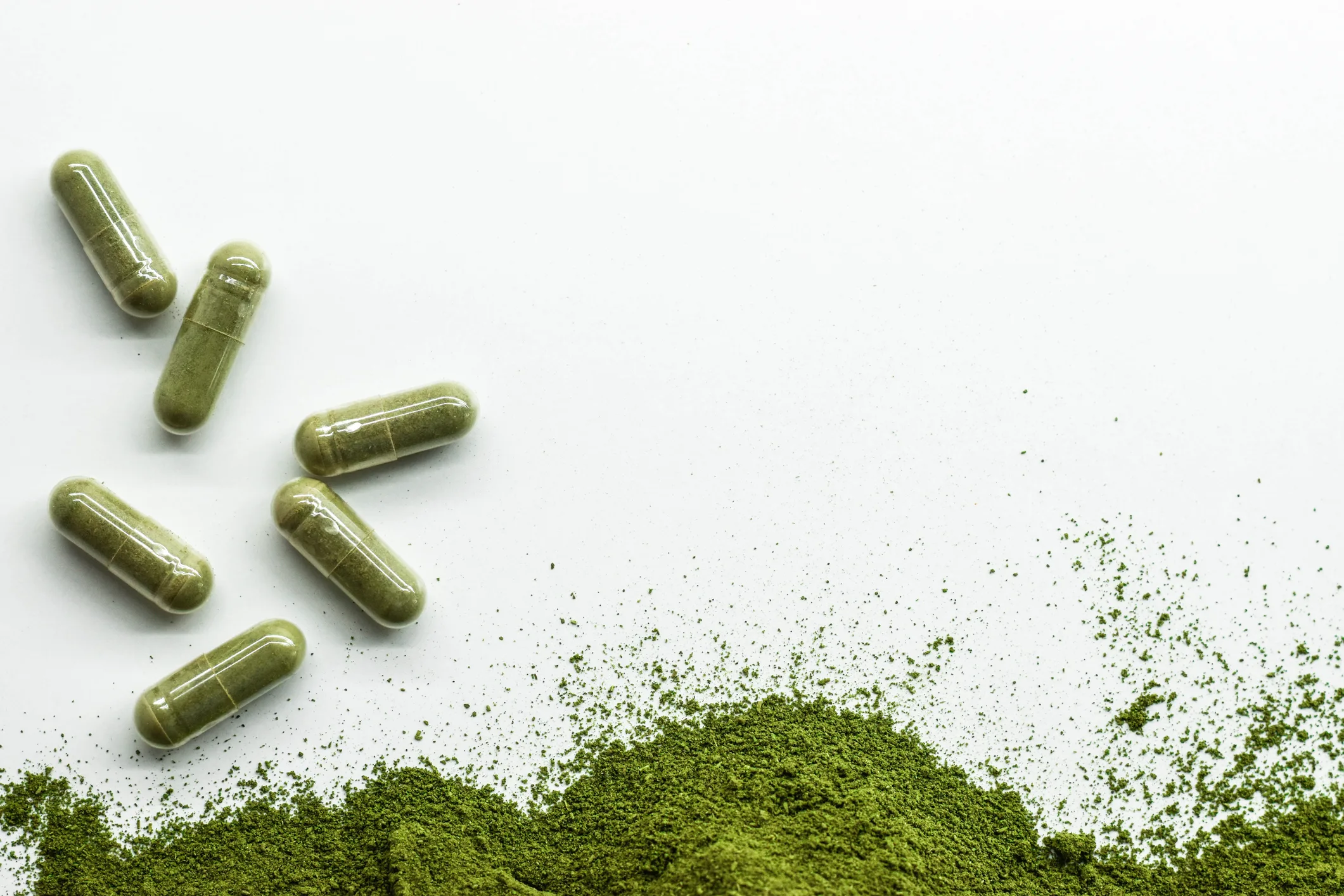
- Supplements: Probiotic supplements are available in various forms, including capsules, powders, and liquids. But please note:
- While probiotic supplements are generally safe, it’s essential to choose reputable brands and consult with a healthcare professional before starting supplementation, especially if you have underlying health conditions
- Prebiotics, which are types of fiber that nourish beneficial bacteria in the gut, can also enhance the effects of probiotic
Source: