There comes a moment every winter—usually right around the time you realize you’ve memorized the entire schedule of the Home Shopping Network or have started naming the squirrels outside your window—where the walls start to feel just a little bit closer than they were in October. We call it “cabin fever,” though “house arrest by Mother Nature” feels more accurate. Whether it’s a week of relentless rain or a blizzard that has turned your driveway into a polar expedition, being stuck inside can make even the most patient person start to feel like a caged lion. But before you start talking back to the weather forecaster on the nightly news, take heart: there are professional, proven ways to reclaim your sanity without having to shovel a single snowflake.
Understanding the Impact of Isolation
Cabin fever is more than just a catchy phrase; it is a psychological phenomenon characterized by irritability, restlessness, and lethargy resulting from prolonged confinement. For adults over the age of 50, these feelings can be compounded by a sense of social isolation or a disruption in physical routines. When our environment becomes static, our brains lack the “novelty” required to maintain high levels of cognitive engagement and emotional stability.
Medical professionals note that physical inactivity during these periods can lead to stiffness, decreased circulation, and a decline in mood-regulating hormones like serotonin. Recognizing that these feelings are a physiological response to your environment—rather than a personal failing—is the first step toward mitigation.
Strategies for Mental and Emotional Wellbeing
Maintaining a sharp mind and a balanced mood requires intentional effort when your physical world is temporarily limited.
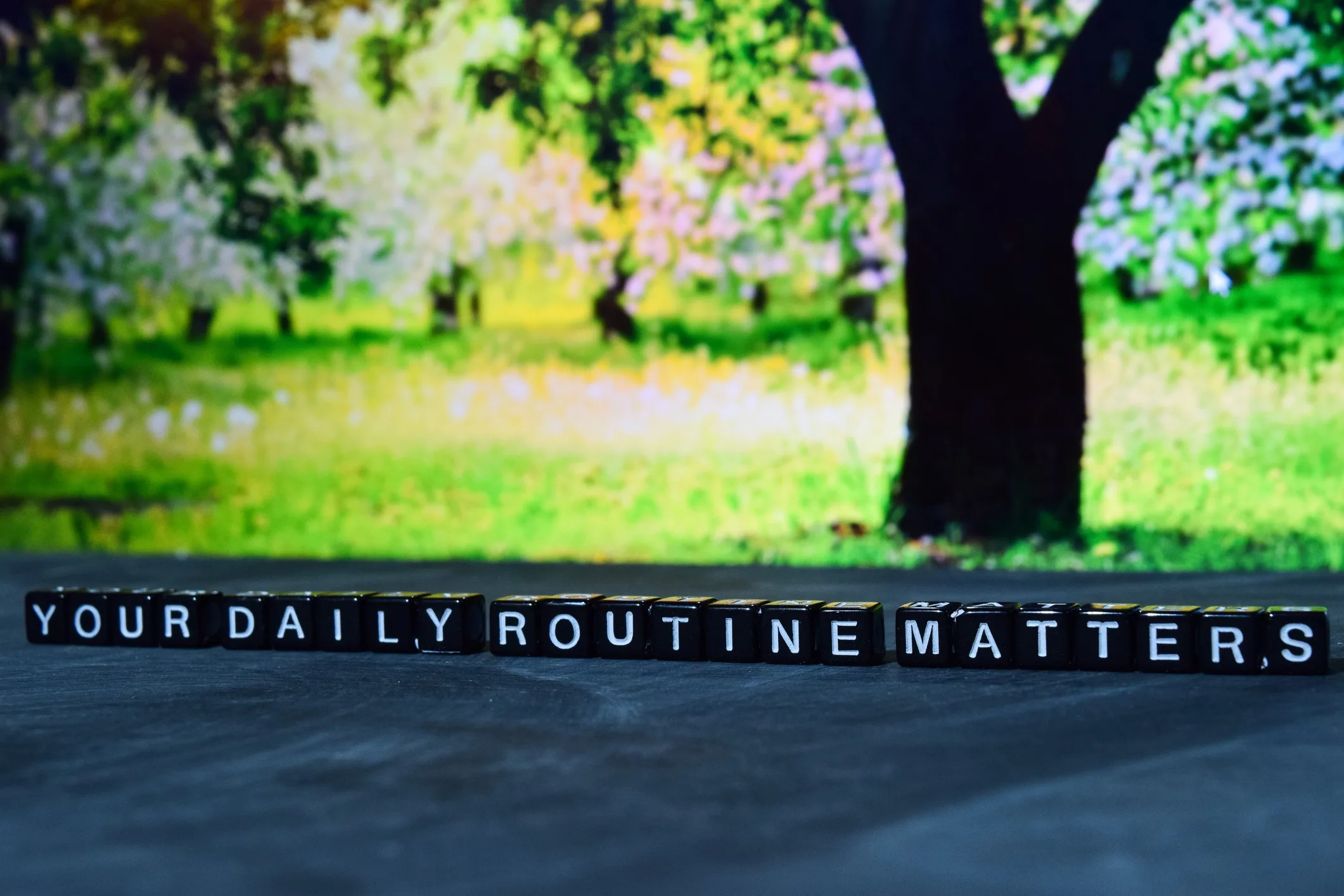
- Establish a “Non-Negotiable” Routine: Without the structure of external appointments, time can begin to blur. Wake up, dress, and eat meals at consistent times to provide your brain with a sense of order and predictability.
- Embrace Cognitive Novelty: This is the ideal time to engage in “brain plasticity” exercises. Learn a new language via an app, master a complex puzzle, or take up a digital hobby like photo editing.
- The Power of Connection: Isolation is the primary driver of cabin fever. Schedule regular video calls or phone “coffee dates” with family and friends. Hearing a familiar voice provides a significant neurochemical boost that text-based communication cannot match.
- Limit “Doomscrolling”: While staying informed is important, constant exposure to negative news cycles can heighten anxiety and make your indoor environment feel less like a sanctuary and more like a bunker.
Physical Health and Environmental Adjustments
Your physical surroundings play a massive role in how you perceive your confinement. Small adjustments to your home and body can drastically alter your perspective.
- Maximize Natural Light: Keep curtains wide open during daylight hours. Sit near windows to help regulate your circadian rhythm, which governs sleep and mood. If natural light is scarce, consider a “happy lamp” (SAD light) to mimic sunlight.
- In-Home Physical Activity: You do not need a gymnasium to stay active. Chair yoga, resistance band training, or simply walking laps through the house for ten minutes every hour can prevent muscle atrophy and boost your metabolism.
- Tackle a “Legacy Project”: Use the time to organize physical photo albums or digitize old family movies. Engaging with your personal history provides a sense of purpose and accomplishment.
- Bring the Outdoors In: If the weather prevents you from going to the garden, bring the garden to you. Tending to indoor plants has been shown to lower cortisol levels and improve air quality within the home.
Practical Tips for Long-Term Resilience
If you find yourself stuck inside for an extended duration, it is helpful to break your goals down into “micro-wins.” Instead of looking at the week ahead, focus on completing one specific task per day—whether that is cleaning out a junk drawer or finally reading that biography sitting on your nightstand. Additionally, experts suggest practicing “active relaxation” such as meditation or deep-breathing exercises to lower the heart rate when the walls start to feel particularly tight.
Takeaway
By the time the clouds finally part and it’s safe to venture back into the world, you’ll want to be ready to hit the ground running (or at least walking at a brisk, purposeful pace). Cabin fever is temporary, but the habits you build while stuck inside—like staying connected and keeping your mind sharp—will serve you well all year round. Think of this time as a “staycation” where the room service is DIY and the dress code is strictly elastic waistbands. So, put on another pot of tea, find a new podcast, and remember: the squirrels will still be there when you get out, and they likely haven’t done half as much personal growth as you have. Stay warm, stay active, and keep your sanity intact!
Source:
Coping with Cabin Fever for Seniors
Helpful Tips for Seniors Coping with Cabin Fever
8 Tips for Coping with Cabin Fever