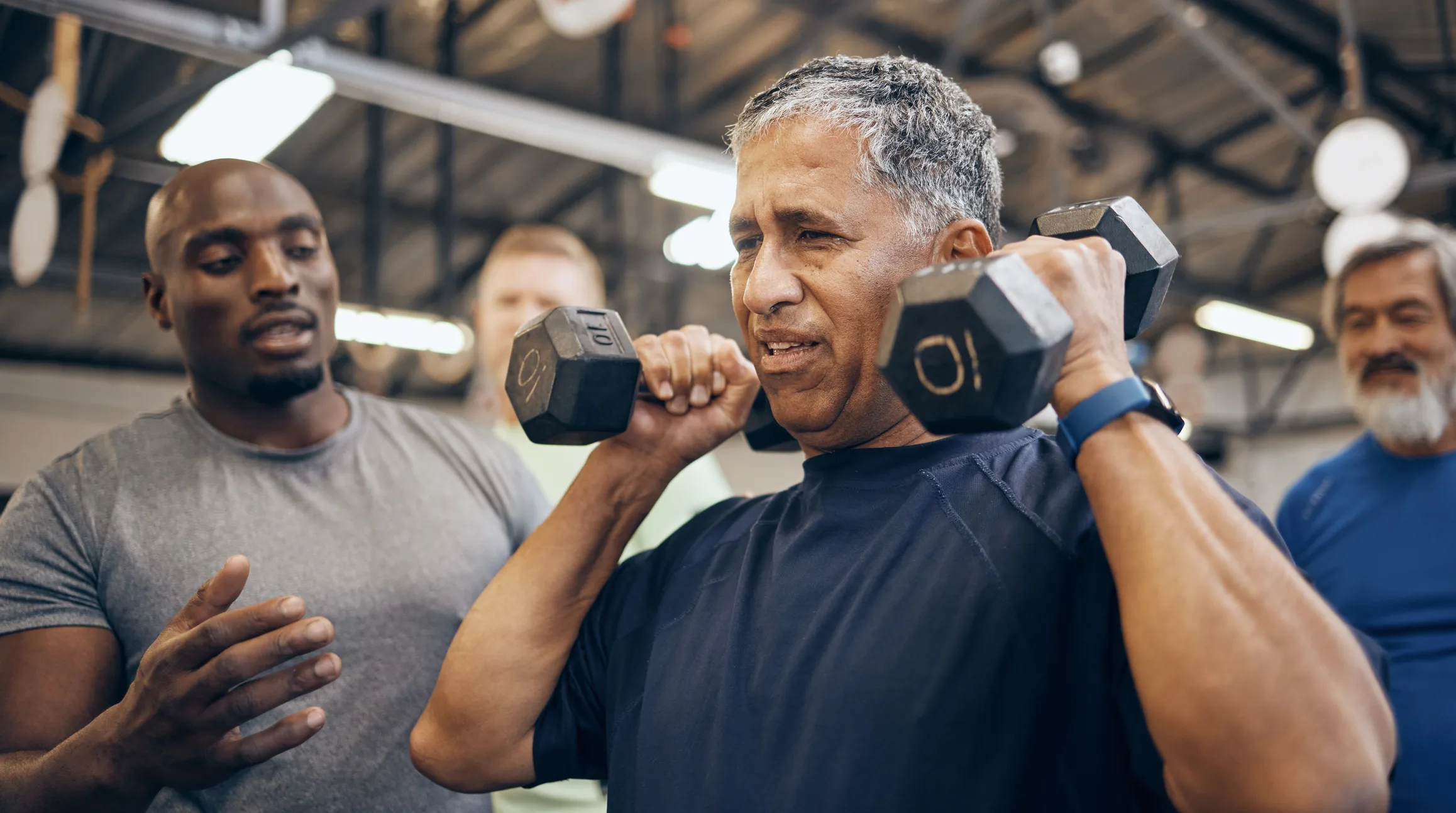
We’ve all seen Instagram photos of fit, toned bodies lifting weights, jumping rope, or squatting in sleek, shiny gyms. But behind that shiny veneer lies a hidden truth – your local gym may be a haven for germs. According to recent research, gym equipment harbors bacteria that are 362 times more dangerous than the average toilet seat.
There’s More in a Gym Than Just Weights
We all go to the gym to get fit, build muscle, and live healthier. But we sometimes overlook the invisible dangers lurking on the equipment we use every day. The gym is a place where people sweat, share equipment, and are within close physical proximity of each other. As a result, it’s a perfect breeding ground for bacteria. And while gyms are cleaned regularly, we as gym members are still sharing equipment, and it’s in these high-touch areas that the problem lies. From weights and mats to machines and treadmills, every piece of equipment is a potential hotspot for bacteria transfer.
- 70% of gym equipment surfaces tested positive for bacteria (FitRated survey)
- Fitness bikes have 39 times more bacteria than self-service trays in restaurants
- Dumbbells have 362 times more bacteria than toilet seats
- Bacteria can linger on equipment like free weights, kettlebells, and treadmill handles
- Frequent gym-goers are more susceptible to chronic conditions, joint and skin infections
Bacteria 101
So why is gym equipment such a breeding ground for bacteria? The primary culprits are sweat, skin cells, and oils that are transferred when multiple people use the same equipment without properly wiping them down. Add to that the fact that gyms are generally warm (at least in the summer months), humid spaces, and you have the perfect environment for bacteria to thrive.
When you work out, your pores open up, and the last thing you want is to transfer bacteria into your skin or, even worse, your body. Trainers, staff, and even cleaning crews are constantly exposed to the same microbial environment, creating a ripple effect where bacteria are transferred between people.
Clean and Safe
So, what can you do to ensure you’re not carrying home more than just muscle? Hygiene is your first line of defense. Ever since the pandemic, gyms now provide disinfectant wipes or sprays for equipment, but it’s up to you to use them. Always wipe down your equipment before and after use – even if the person before you seems to have done so. Sweat can transfer germs, and bacteria can linger on surfaces for hours.
In addition to cleaning equipment, consider using a gym mat or personal towel when working out on shared mats or equipment. This creates a barrier between your skin and potentially bacteria-infested surfaces. Also, wash your hands thoroughly after using gym equipment, especially before touching your face. Changing into clean clothes after working out is another important step. Sweaty clothes can retain moisture and bacteria, and wearing them for prolonged periods can lead to skin irritation or infections. Make sure to wash your gym clothes regularly to avoid bacteria buildup.
Hygiene at Home
While your gym might be the biggest culprit, bacteria can follow you home. Gym shoes can carry in bacteria that may infect your home. So try making a habit of leaving your gym shoes at the door, or keep them some place separate from your other shoes.
Takeaway
Taking proactive measures in the gym, such as wearing moisture-wicking clothing, disinfecting equipment before and after use, and keeping any cuts or wounds covered, can significantly reduce the risk of bacterial infections. Additionally, always shower immediately after your workout, avoid walking barefoot in shared spaces and ensure proper hand hygiene to protect yourself from harmful bacteria.
Source: