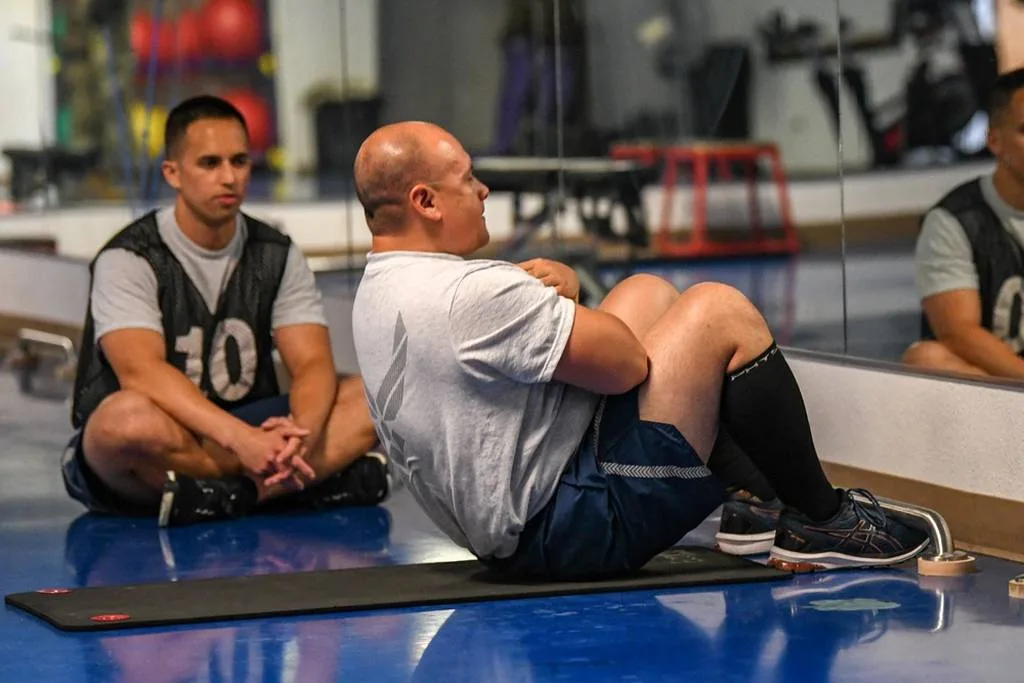
Many of us think of fitness in the short term. Things like preparing for a wedding, trying to squeeze into that favorite tux or getting ready to wear shorts in the summer. But what if we treat fitness as a long-term investment? No different than your retirement account. In other words, a retirement account for your health.
What Should Go into Your Fitness Retirement Account
Similar to a financial retirement account, your fitness retirement account should be diversified. A few things to invest in are:
- Strength training builds muscle and bone, the foundation of physical independence.
- Aerobic exercise boosts cardiovascular health and energy reserves.
- Balance training prevents falls and keeps you steady.
- Flexibility and mobility work maintain your range of motion and reduce injury risk.
- Power training enhances your ability to move quickly and efficiently, essential for tasks like rising from a chair, catching yourself during a stumble, or climbing stairs. Incorporate explosive movements like box jumps, kettlebell swings, or lifting lighter weights at higher speeds.
Let’s dive deeper into these components to see how you can maintain your fitness retirement account.
Diversify Your Fitness Portfolio
- Strength Training: The Cornerstone of Independence Muscle isn’t just for aesthetics but resilience. Strength training supports joints, protects against injuries, and powers daily activities. It’s your 401(k) for functional independence. Aim for at least two weekly strength sessions, focusing on all major muscle groups. Compound movements like squats, deadlifts, and push-ups offer excellent returns on investment.
- Aerobic Exercise: Your Reserve for Energy and Endurance Aerobic activities improve VO2 max, energy levels, and heart health. Walking, running, cycling, or swimming—whatever suits your preferences—helps you build a robust cardiovascular system. The goal? At least 150 minutes of moderate aerobic activity per week, broken into manageable chunks.
- Balance Training: Insurance Against Life’s Unpredictability Falls are one of the leading causes of disability as we age. Training your balance—through yoga, tai chi, or even simple single-leg stands—is your insurance policy against instability.
- Flexibility and Mobility: Maintenance for Longevity Stretching and mobility exercises are the maintenance tools of your fitness account. Dedicate a few minutes after workouts or on rest days to keep your body supple and reduce injury risk.
- Power Training: Building Quickness and Agility Power training is about applying strength quickly, which is critical for everyday movements and preventing injuries. Exercises like jump squats, medicine ball throws, and high-speed resistance movements train your muscles to generate force rapidly, enhancing functional performance and safety.
The Cost of Waiting
Just like delaying financial investments reduces the time for growth, waiting to prioritize fitness has its costs. The longer you delay, the harder it becomes to regain lost ground. Declines in strength, balance, and endurance accelerate with age, and the gap between those who invest early and those who don’t widen dramatically over time.
The sooner you start, the more you’ll have to withdraw when you need it most. The best time to begin was yesterday. The second-best time is today.
Source:
Fitness as a Retirement Account: Investing in Your Future Independence and Vitality