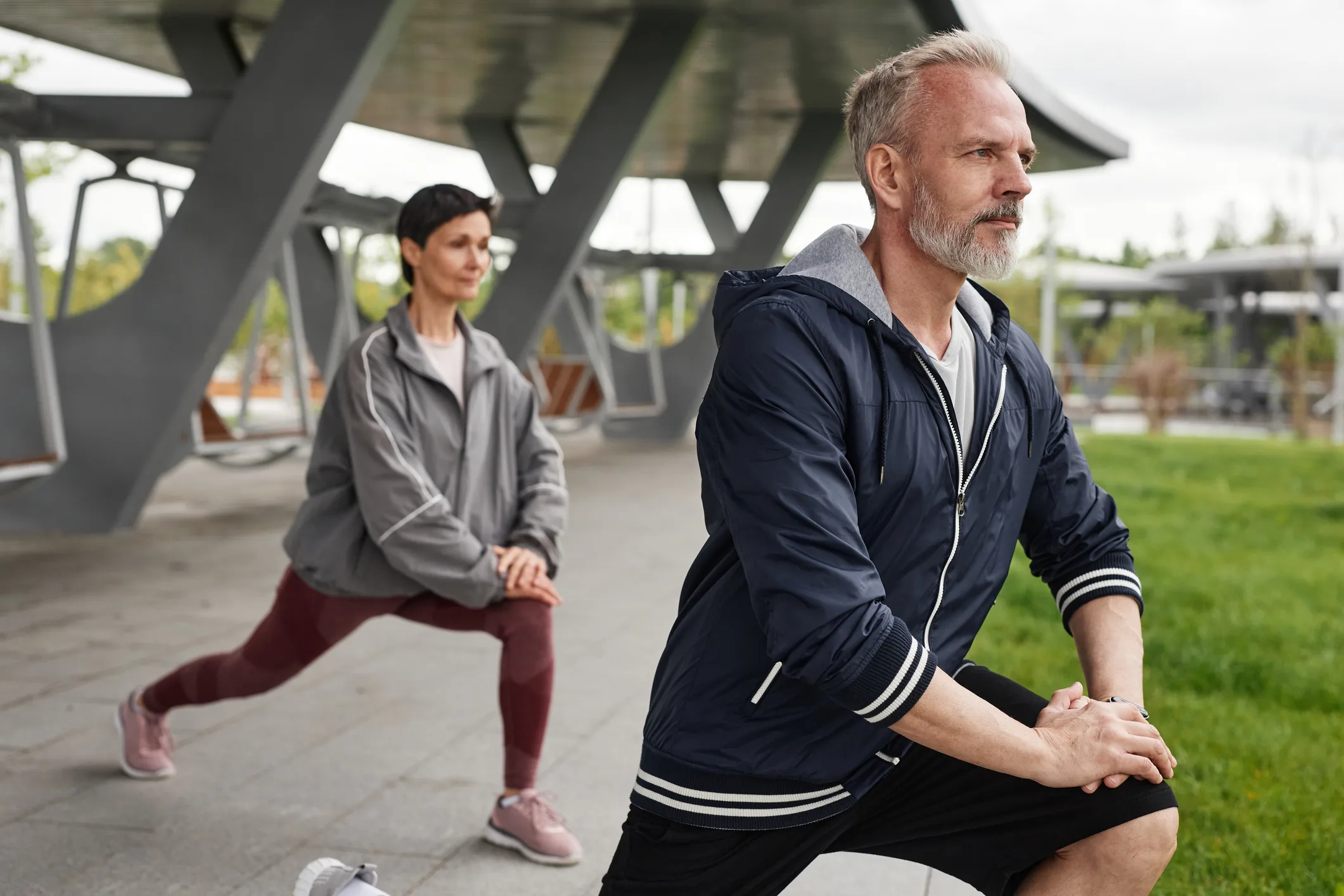
A recent study from Brigham Young University found that strength training can increase the length of Telomeres in our chromosomes. Why is this important? Because Telomere length is directly related to chorological age. In other words, the longer your Telomere’s the longer you will live.
What Are Telomere’s?
According to Lisa H. Chadwick, PhD, Deputy Director, Division of Genome Sciences at the National Human Genome Research Institute:
A telomere is a region of repetitive DNA sequences at the end of a chromosome. Telomeres protect the ends of chromosomes from becoming frayed or tangled. Each time a cell divides, the telomeres become slightly shorter. Eventually, they become so short that the cell can no longer divide successfully, and the cell dies.
Telomere length naturally shortens with age and is a well-established marker of biological aging. Shorter telomeres are linked to increased risks of chronic diseases and mortality. Things such as obesity, smoking, poor diet, Type 2 diabetes and low socioeconomic status accelerate telomere shortening by increasing inflammation and oxidative stress.
The researchers analyzed data from 4,814 U.S. adults aged 20 to 69, focusing on the length of their telomeres.
The researchers categorized participants into three groups based on their strength training habits — those who performed no strength training (less than 10 minutes weekly), those who trained moderately (10 to 50 minutes weekly) and those who trained extensively (60 minutes or more weekly).
Adults who strength trained for one hour or more per week (the highest category) had significantly longer telomeres than those who did not engage in strength training. Additionally, adults who reported some strength training, but less than one hour per week, had significantly longer telomeres than the non-strength trainers.
The findings showed that for each 10 minutes spent strength training per week, telomeres were 6.7 base pairs longer, on average. Therefore, 90 minutes per week of strength training was predictive of telomeres that were 60.3 base pairs longer, on average.
Because each year of chronological age was associated with telomeres that were 15.47 base pairs shorter in this national sample, 90 minutes per week of strength training was associated with 3.9 years less biological aging, on average. This interpretation suggests that an hour of strength training three times per week (180 total minutes) was associated with 7.8 years less biological aging.
In other words, by adding 90 minutes of strength training weekly to your workout routine, you’ll be able to offset nearly four years of cellular aging. And by adding 180 minutes of strength training (i.e. 3 one-hour sessions weekly) you will slow your aging by almost eight years.
Takeaway
I think we all knew that working out can extend your life. This is especially true if you incorporate strength training into your routine. But now we have scientific evidence, that by simply doing 3 one-hour sessions of strength training a week you can increase your lifespan by close to 8 years!
Revitalize your digestive wellness with our Complete Para-Clear & Gut Restore Protocol, a synergistic bundle of four premium gut health supplements crafted to promote a balanced microbiome and vibrant vitality. Featuring our Para-Clear Tonic with broad-spectrum antimicrobial herbal properties, alongside Liver Clear & Support Tonic, Multi-Strain Probiotic Complex, and Fulvic Acid & Trace Ocean Minerals, this protocol delivers bioavailable nutrients and herbal extracts to support microbial harmony, liver function, healthy digestion, and natural detoxification pathways.* These vegan-friendly, micronized formulas ensure optimal absorption, paired with our free Para-Clear Guide for dietary and lifestyle strategies.* Save now and thrive!*