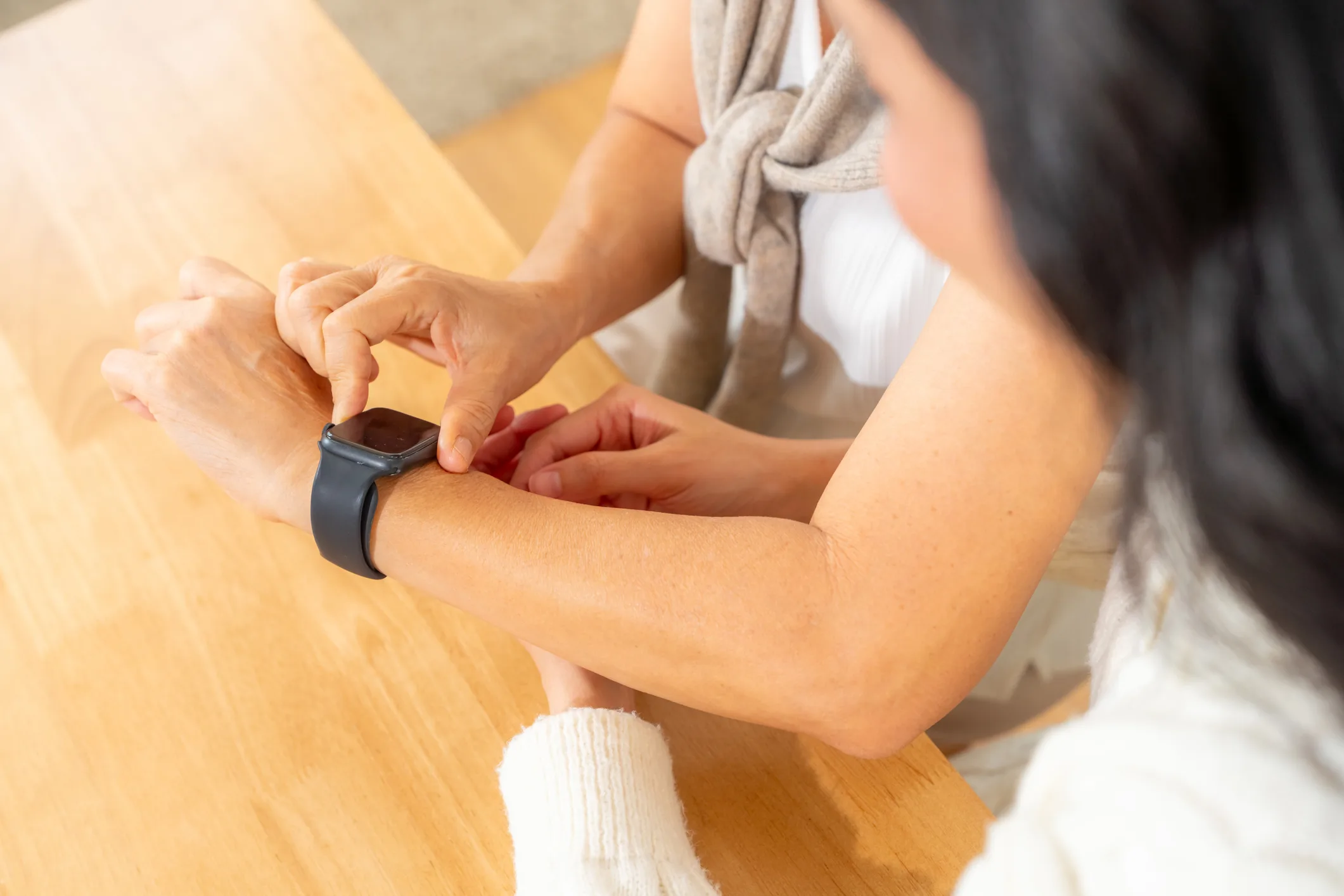
One of the minor inconveniences of reaching the half-century mark is that our bodies start to get a bit more “efficient” at storing things. Unfortunately, instead of storing useful items like matching socks or the names of people we just met, our systems often decide to store fat in our livers. This is known as Metabolic Dysfunction-Associated Steatotic Liver Disease (MASLD), though most of us still call it non-alcoholic fatty liver disease. It is a silent traveler that often goes unnoticed until it’s unpacking its bags and staying for the long haul. Detecting it early is key, because while we might not be able to do much about the graying hair, we actually have a say in what our liver is doing.
Understanding the “Silent” Evolution of MASLD
Fatty liver disease is essentially a spectrum of liver conditions affecting people who drink little to no alcohol. The hallmark of the condition is the accumulation of too much fat in liver cells. For those over 50, the risk increases significantly due to metabolic shifts and the natural aging process of hepatic tissues.
The progression of the disease generally follows four stages:
- Simple Steatosis: A largely harmless buildup of fat in the liver cells.
- Non-alcoholic Steatohepatitis (NASH/MASH): A more serious form where the fat causes inflammation and cell damage.
- Fibrosis: Persistent inflammation causes scar tissue in the liver and nearby blood vessels.
- Cirrhosis: The most severe stage, where the liver is permanently scarred and begins to shrink, leading to liver failure or cancer.
The Physiological Impact of Aging
As we navigate our 50s and 60s, the liver undergoes significant structural changes that often go unmentioned in standard checkups. Research indicates that the liver naturally loses about one-third of its volume and blood flow as we age. This physical reduction makes the organ inherently less efficient at its primary job: detoxification.
Additionally, as we age, the liver’s ability to regenerate and process lipids slows down, making it easier for fat to accumulate even in individuals who are not traditionally considered “overweight.”
Furthermore, aging brings about hormonal changes that can trigger increased fat storage. This is particularly relevant for postmenopausal women; the decline in estrogen levels is directly linked to an increased risk of fatty liver disease. Estrogen previously acted as a metabolic guard, and its absence requires a more proactive approach to liver maintenance.
Commonly Missed Signs in Older Adults
Because the liver doesn’t have pain receptors, the organ itself rarely “hurts.” Instead, the signs are often vague and easily dismissed as “just getting older.” For adults over 50, there are specific subtle indicators that warrant a conversation with a physician:
- Persistent Fatigue: This is the most common symptom but also the most frequently ignored. It is a profound, unexplained lethargy that doesn’t resolve with sleep.
- The “Expanding Waistline”: While many attribute a growing midsection to a slowing metabolism, abdominal adiposity (visceral fat) is a primary driver of liver fat.
- Upper Right Abdominal Discomfort: A dull ache or a feeling of “fullness” in the upper right side of the abdomen can indicate liver enlargement.
- Cognitive “Fog”: In some cases, as liver function declines, the accumulation of toxins can lead to mild confusion or difficulty concentrating.
- Itchy Skin or Small Spider Veins: Advanced stages may manifest as localized itching or spider-like blood vessels (angiomas) visible on the skin.
Management and Prevention Strategies
The liver is a remarkably resilient organ. In its early stages, fatty liver disease is often reversible through targeted lifestyle adjustments.
- Weight Reduction: Losing as little as 3% to 5% of body weight can significantly reduce the amount of fat in the liver. A 7% to 10% loss can reduce liver inflammation and scarring.
- The Mediterranean Approach: Diets rich in fruits, vegetables, whole grains, and healthy fats (like olive oil and fatty fish) are highly effective at lowering liver fat.
- Glucose Management: Reducing the intake of simple sugars—specifically high-fructose corn syrup—is vital, as the liver processes fructose directly into fat.
- Physical Activity: Regular aerobic and resistance exercise helps the body burn glucose and improves insulin sensitivity, taking the pressure off the liver.
Takeaway
In the end, taking care of your liver is a bit like maintaining a vintage car: it requires more frequent oil changes and a higher grade of fuel than it used to, and you probably shouldn’t ignore that “check engine” light just because it’s been on for three years. While we can’t exactly return our bodies for a newer model, a few lifestyle tweaks can keep the internal machinery running smoothly well into our twilight years. So stay proactive, keep an eye on the waistline, and perhaps trade that second helping of dessert for a brisk walk. Your liver will thank you, even if it has to do so silently.