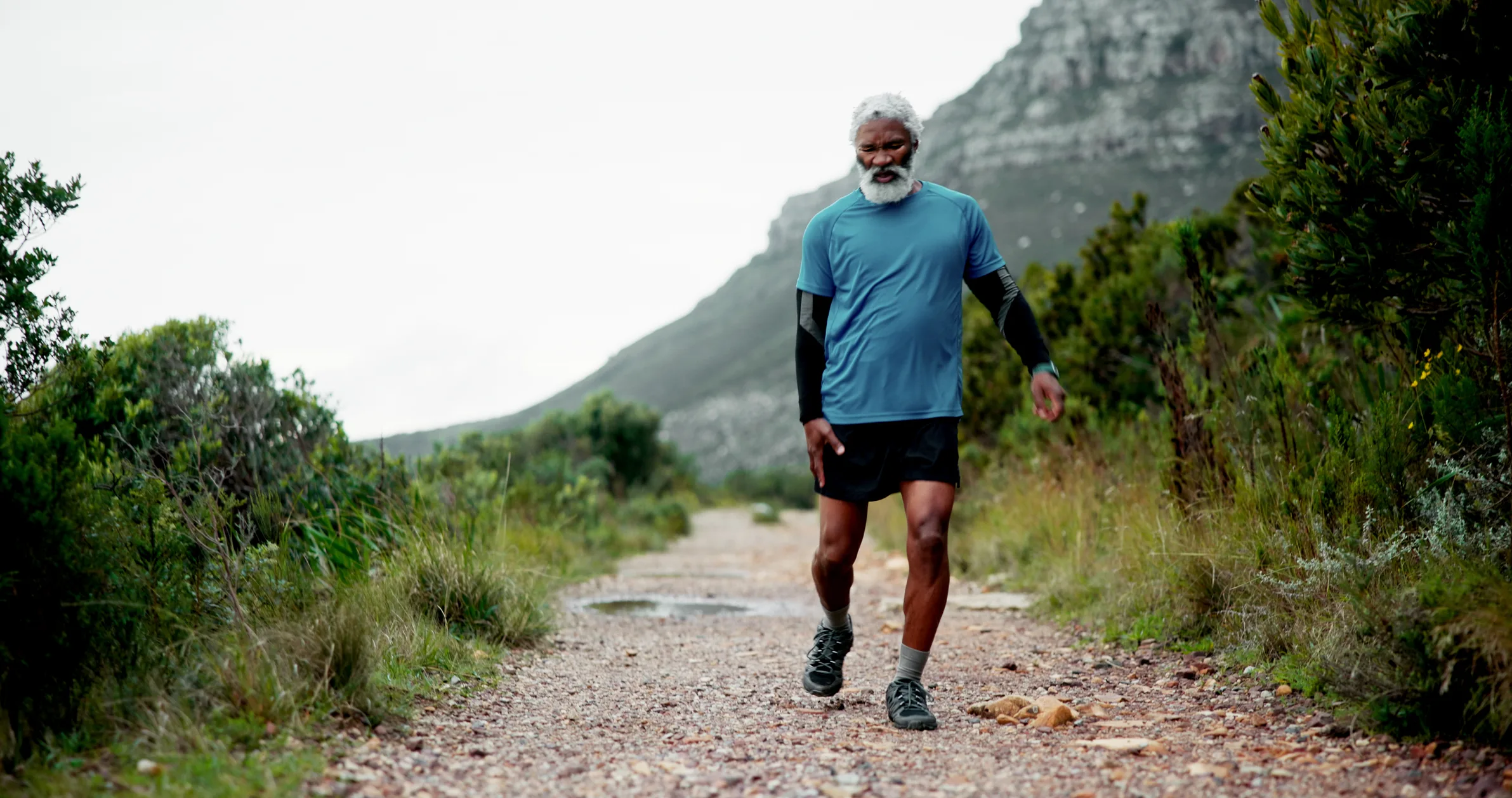
If you have reached or passed the big 6-0, congratulations! You have officially entered the era where “getting lucky” means finding a parking spot close to the entrance and sleeping through the night without a single trip to the bathroom. While the midlife crisis usually involves buying a sports car or getting an impulse tattoo, entering your 60s and beyond is less about chasing youth and more about preserving your independence, energy, and mental sharpness. Think of it as a quality-of-life tune-up: a few strategic adjustments now will ensure your high-mileage engine keeps running smoothly for decades to come.
Key Strategies for Healthy Aging
- Pillars of Vitality: Consistent resistance training, nutrient-dense nutrition, and restorative sleep form the core foundation of lifelong mobility and vitality.
- Proactive Preservation: Hormone balance, targeted supplementation, and stress reduction actively safeguard brain and metabolic health.
- Social & Preventative Focus: Strong social connections and routine medical screenings dramatically reduce mortality risk and improve quality of life.
1. Preserve Muscle and Bone via Strength Training
After age 35, muscle mass naturally declines by approximately 1% to 2% per year—a process known as sarcopenia. For adults over 60, maintaining lean muscle is not about body building; it is essential for joint stability, balance, and maintaining independence in daily tasks like lifting groceries or climbing stairs.
- Targeted Volume: Research shows that engaging in muscle-strengthening activities for just 30 to 60 minutes per week yields significant overall and cardiovascular health benefits.
- Exercise Selection: Incorporate bodyweight exercises (planks, modified push-ups, chair squats), resistance bands, or free weights two to four times weekly.
- Nutritional Support: Creatine monohydrate supplementation combined with resistance training over 4 to 12 weeks has been clinically shown to support upper and lower body strength and lean tissue retention in older adults.
2. Optimize Nutrition: Protein, Fiber, and Healthy Fats
A 30-year long-term study demonstrated that diets rich in fruits, vegetables, unsaturated fats, nuts, legumes, and whole grains significantly improve the probability of healthy aging.
- The Mediterranean Model: A meta-analysis of over 670,000 individuals confirmed that strict adherence to a Mediterranean-style dietary pattern lowers cardiovascular risk and improves long-term health outcomes in older adults.
- Fiber and Satiety: Adequate fiber intake supports digestive health, glucose regulation, and weight management.
- Resveratrol & Polyphenols: Consuming polyphenol-rich foods or targeted supplements like resveratrol offers the cellular aging benefits associated with red wine without the systemic toxicity of alcohol.
3. Protect Brain Health with Restorative Sleep
Sleep acts as a critical maintenance window for the central nervous system. During deep sleep, the brain’s glymphatic system functions like a clearance network, flushing metabolic waste and neurotoxic byproducts accumulated throughout the day.
- Optimal Duration: Aim for 7 to 9 hours of consistent, uninterrupted sleep nightly.
- Sleep Hygiene: Maintain a dark, cool environment, eliminate screen exposure one hour prior to bed, and utilize blackout curtains or sleep masks.
4. Maintain Balance: Hormones and Stress Management
Hormonal fluctuations continue to impact metabolic function, mood, energy levels, and body composition well into older adulthood. A meta-analysis of nearly 25,000 men aged 40 to 70 underscored that balanced hormone levels correlate directly with better cardiovascular and overall health markers.
“Investing in your health in midlife will pay dividends in later years. The trick is to start small. Just one to three simple changes can make a huge difference in your overall well-being, especially as you grow older.”
— Dr. Michael A. Smith, Director of Education at Life Extension
- Comprehensive Testing: Regularly monitor hormone panels including estradiol, total and free testosterone, DHEA-S, and Sex Hormone Binding Globulin (SHBG).
- Cortisol Management: Chronic stress causes elevated cortisol levels, which accelerate biological aging. Counteract stress through daily meditation, walking in nature, and structured relaxation.
5. Cultivate Social Connections and Limit Toxins
Human interaction triggers the release of neurotransmitters such as oxytocin, dopamine, and serotonin. Conversely, social isolation is a major independent mortality risk factor. A meta-analysis encompassing 2 million individuals revealed that social isolation increases the risk of premature death by 32%.
- Reduce Processed Foods & Alcohol: Ultra-processed foods (UPFs) and alcohol consumption shorten telomeres—the protective caps on DNA strands that serve as biological markers for cellular aging.
- Active Socialization: Combine movement with social interaction by playing pickleball, joining walking groups, or scheduling routine coffee dates.
6. Commitment to Proactive Healthcare
Early detection remains the most effective tool in geriatric medicine. Expanding preventative health services could save millions of lives through early intervention.
- Screenings: Schedule annual wellness exams, DEXA bone density scans, eye exams, and colonoscopies.
- Routine Biomarkers: Track blood pressure, fasting blood glucose, HbA1c, and lipid panels regularly.
- Dermatological Care: Apply broad-spectrum sunscreen daily and undergo annual full-body skin checks.
Frequently Asked Questions
Are supplements necessary after age 60 if I eat a balanced diet?
Yes. As the digestive tract ages, nutrient absorption efficiency decreases. Key supplements to consider include:
- Strength & Muscle: Creatine monohydrate, high-quality whey or plant protein powder.
- General Health: Vitamin D3/K2, Omega-3 fish oil, daily multivitamin, dietary fiber.
- Sleep & Stress: Melatonin, Magnesium acetyl-taurate, Ashwagandha, GABA.
- Metabolic & Liver Support: DHEA, Milk thistle.
| Action Plan: Tailoring Longevity Habits Across the Decades | |
|---|---|
| Priorities in Your 40s & 50s (Building the Base) | Priorities in Your 60s & Beyond (Protecting & Maintaining) |
| Muscle & Strength Focus on building raw muscle mass and establishing progressive resistance routines. |
Muscle & Mobility Maintain existing muscle mass; prioritize joint health, balance, recovery, and fall prevention. |
| Sleep Routine Establish a consistent sleep-wake schedule and solidify evening sleep hygiene habits. |
Sleep Quality & Recovery Address disruptive factors (e.g., night sweats, frequent waking) to protect glymphatic brain clearance. |
| Bone Health Build peak bone density through diet and targeted supplements (Calcium, Vitamin D3, Vitamin K2). |
Bone Density Protection Schedule regular DEXA scans to monitor bone density and prevent osteopenia or osteoporosis. |
| Hormones & Biomarkers Get baseline annual checks for thyroid, sex hormones, blood glucose, and lipid panels. |
Comprehensive Diagnostics Obtain full hormone panels, routine cancer screenings (colonoscopy, mammograms, skin checks), and vascular health checks. |
| Nutrition & Lifestyle Transition away from processed foods; build strong habits around protein, fiber, and healthy fats. |
Nutrient Optimization & Socializing Ensure optimal nutrient absorption via whole foods/supplements; stay socially active to support cognitive health. |
Which health habit should I fix first?
Prioritize the area where you have the greatest deficiency. If your sleep is solid but you are sedentary, focus on introducing 15-minute daily walks. If your exercise is consistent but your diet relies heavily on processed foods, begin by integrating one whole-food meal per day.
Takeaway
Taking charge of your health past 60 isn’t about trying to turn back the clock until you look like you’re 20 again—your joints would immediately veto that decision anyway. It is about stacking the deck in your favor so you can keep doing what you love without asking for help to open a jar or get up off the floor. Start with one or two small adjustments today, stay consistent, and enjoy the dividends of a stronger, sharper, and more resilient future.