If you’ve noticed that your knees look a bit puffier than usual, your ankles are keeping souvenirs from yesterday’s travel, or your skin feels a little dull, you aren’t alone. As we cross the threshold into our 60s and beyond, our body’s internal plumbing doesn’t always move at the crisp, energetic pace it used to.
Enter the lymphatic system—your body’s built-in waste management network. Made up of a vast web of tissues, vessels, and organs, its main job is to transport a fluid called lymph throughout your body. Lymph picks up cellular waste, excess fluids, and toxins, routing them to your lymph nodes where harmful substances are filtered out.
Unlike your cardiovascular system, which relies on your heart to pump blood, your lymphatic system lacks a central pump. It relies entirely on muscle movement, deep breathing, and external stimulation to keep fluid moving. When lymph fluid stagnates, it can lead to fluid retention, facial puffiness, heavy-feeling legs, and joint stiffness.
As Flavia Morellato, a manual lymphatic drainage specialist and president of the UK Association of Dermatofunctional Physiotherapy, explains:
“Manual lymphatic drainage is a specialized technique designed to stimulate the lymphatic system, helping the body eliminate excess fluid, toxins, and waste.”
3 At-Home Lymphatic Drainage Techniques
Manual Lymphatic Drainage (MLD) was originally developed as a medical intervention for lymphedema, a condition characterized by swelling when the lymphatic system isn’t functioning correctly. However, gentle MLD techniques can benefit almost anyone looking to ease fluid retention and boost circulation.
1. Dry Brushing
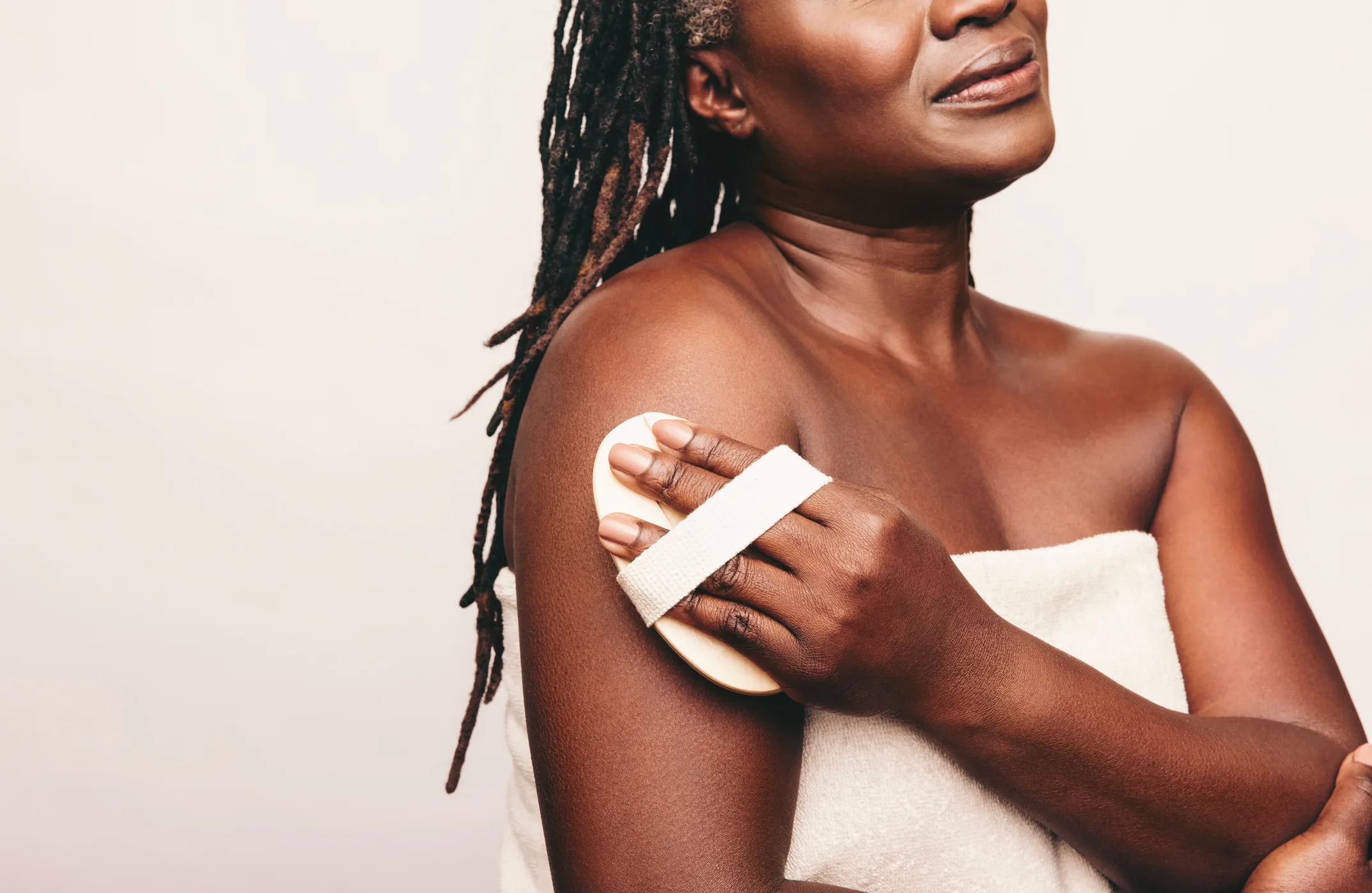
Dry brushing is a gentle way to support your lymphatic system with roots in ancient Ayurvedic medicine. It involves using a dry brush with firm, natural bristles on dry skin before bathing.
Dermatologist Shilpi Khetarpal, MD, highlights its dual benefits:
“Not only can dry brushing help remove dead skin, but it also helps detoxify your skin by increasing blood circulation and promoting lymph flow and drainage.”
- How to Do It:
- Take a brush with firm bristles and, using long, gentle strokes, begin brushing upward starting from your feet and ankles.
- Move up your body, brushing toward your heart. Cover your arms by brushing from your hands up toward your armpits.
- Use wide, circular motions on your abdomen.
- Brush each section only a few times to prevent skin irritation, and use lighter pressure over thinner, more sensitive areas.
- Follow with a cool shower and moisturizer.
- Precaution: Avoid dry brushing over sunburns, moles, open wounds, skin lesions, or areas with severe varicose veins.
2. Compression Therapy
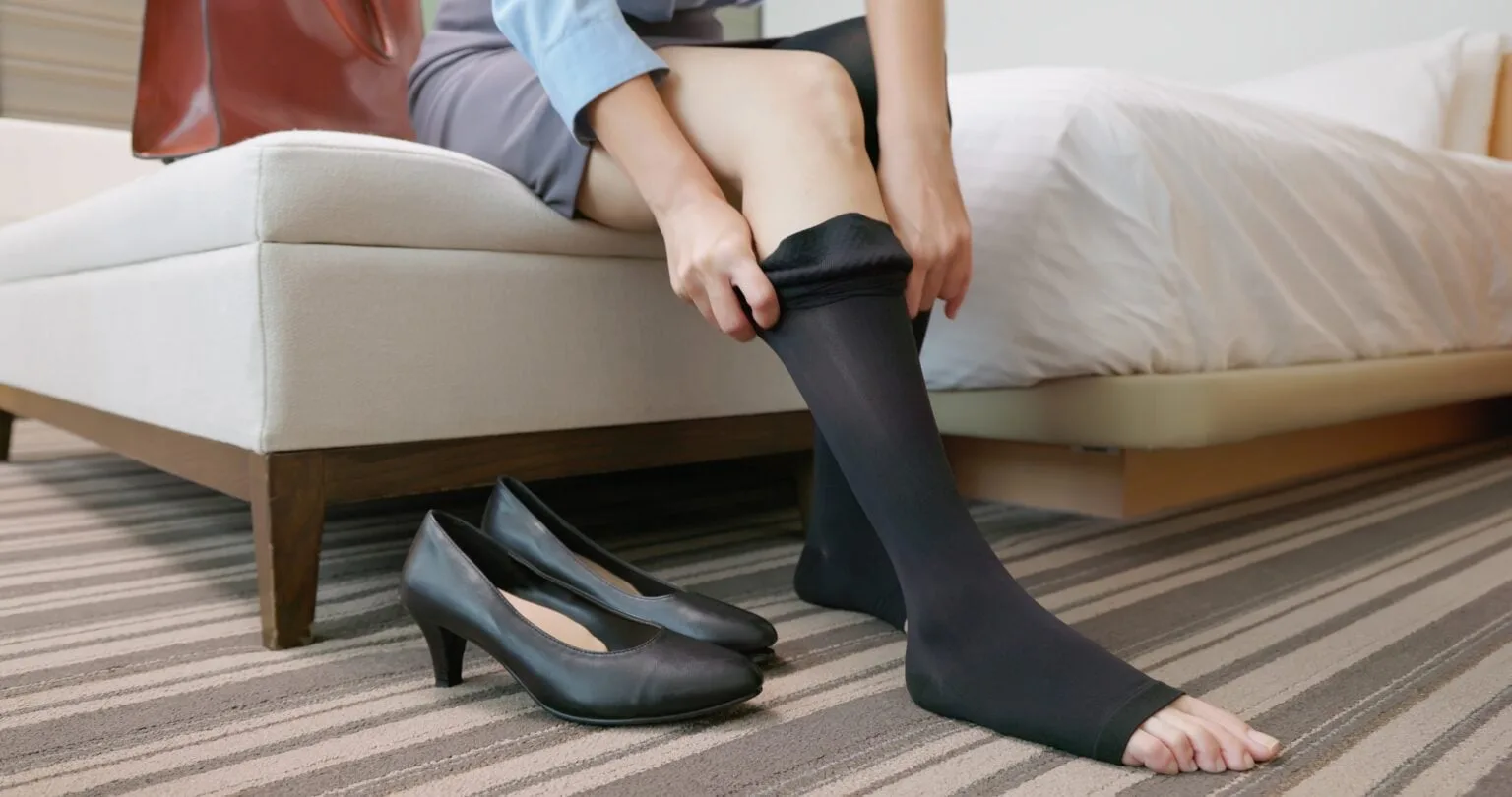
Compression garments gently apply pressure to limbs, assisting veins and lymphatic vessels in pushing fluid upward against gravity.
Gilad Jacobs, chief innovation officer at recovery technology company Hyperice, notes how compression technology works to keep fluid moving:
“It works by sequentially inflating and deflating chambers that move blood and lymphatic fluid back toward the heart, reducing fluid build-up and promoting faster recovery.”
- Improving Circulation: Compression socks, stockings, and sleeves apply graduated pressure—tightest at the ankle and gradually decreasing further up the leg—preventing fluid from pooling in lower extremities.
- How to Use:
- Over-the-counter compression socks (typically providing 15–20 mmHg of pressure) can be worn during travel, long periods of sitting, or daily walks.
- Higher level, medical-grade compression garments or specialized pneumatic boots require guidance or a prescription from a healthcare provider.
3. Light Self-Massage (“The Big Six”)
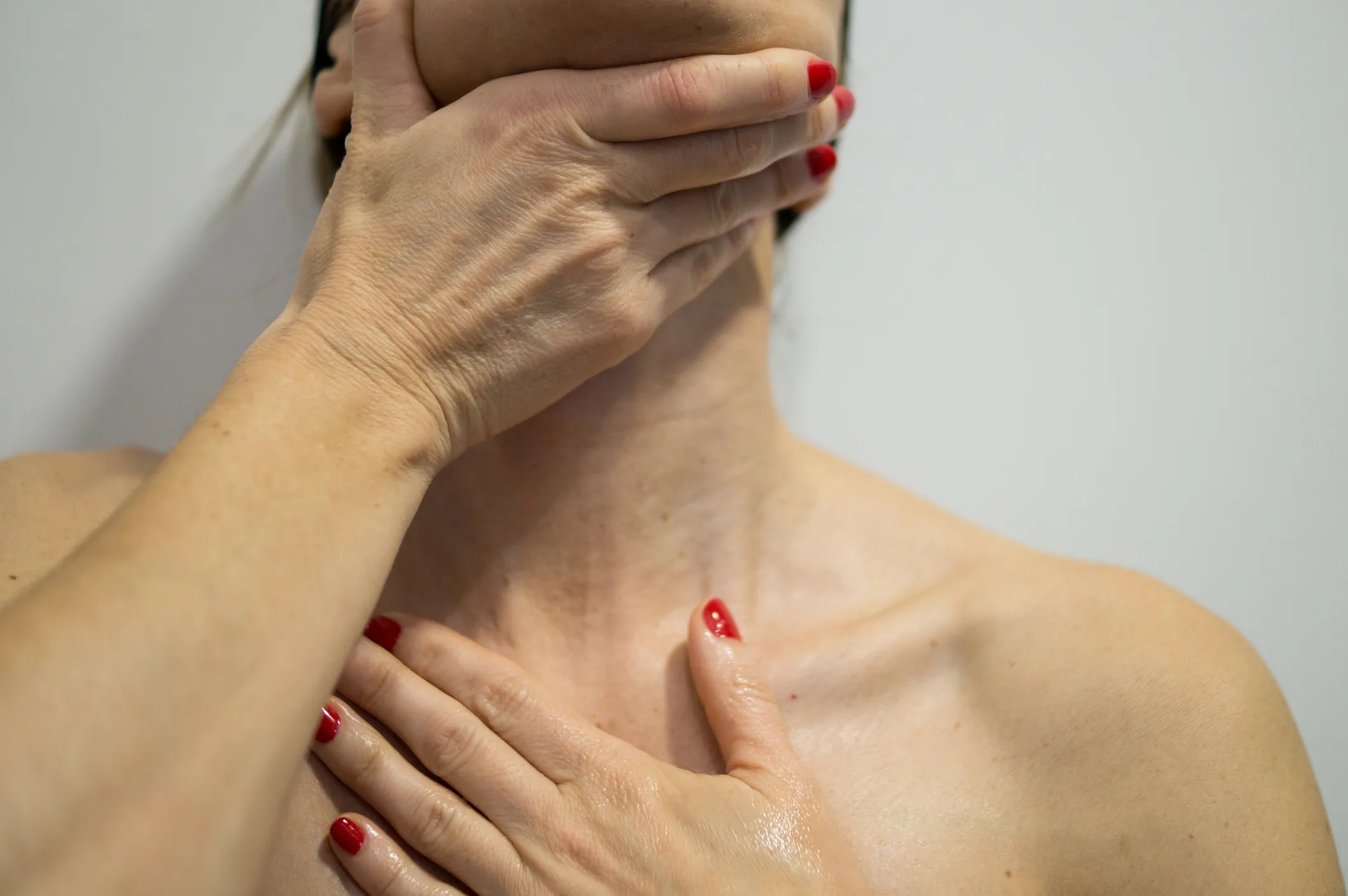
A home lymphatic massage differs significantly from a deep-tissue massage. It requires an extremely light touch—just enough pressure to gently stretch the surface of the skin without pressing into the underlying muscle tissue.
According to Morellato, an effective at-home routine focuses on:
“…gentle stimulation of the main lymph nodes (often referred to as the ‘big six’), and light self-drainage movements directed towards these areas.”
- Targeting Key Node Clusters: The “big six” primary lymph node clusters are located at the:
- Collarbones (the central drainage hub)
- Upper neck
- Armpits
- Abdomen
- Groin
- Behind the knees
- How to Do It:
-
- Begin by clearing the main drainage pathway at the collarbone: place your fingertips flat in the hollow above your collarbones and perform 10–15 light, gentle sweeping strokes toward the center of your chest.
- Move systematically through other node areas, directing gentle skin-stretching strokes toward the nearest node cluster and heart.
- Avoid oils or lotions: Direct skin contact creates the mild friction necessary to gently stretch and stimulate the lymph vessels beneath the skin.
Simple Everyday Habits to Keep Lymph Moving
Alongside targeted drainage techniques, basic daily lifestyle choices play a crucial role in maintaining healthy fluid balance.
- Stay Well-Hydrated: A common misconception is that drinking water adds to fluid buildup in swollen limbs. According to the Academy of Lymphatic Studies, insufficient water intake can actually worsen fluid retention, whereas staying adequately hydrated keeps lymph fluid thin so it flows smoothly.
- Maintain Daily Movement: Physical activity is vital for fluid movement. Morellato emphasizes:
“Movement is essential for lymph propulsion. Prolonged sitting reduces skeletal muscle contraction and diaphragmatic breathing, directly affecting venous return and creating fluid stagnation.”
-
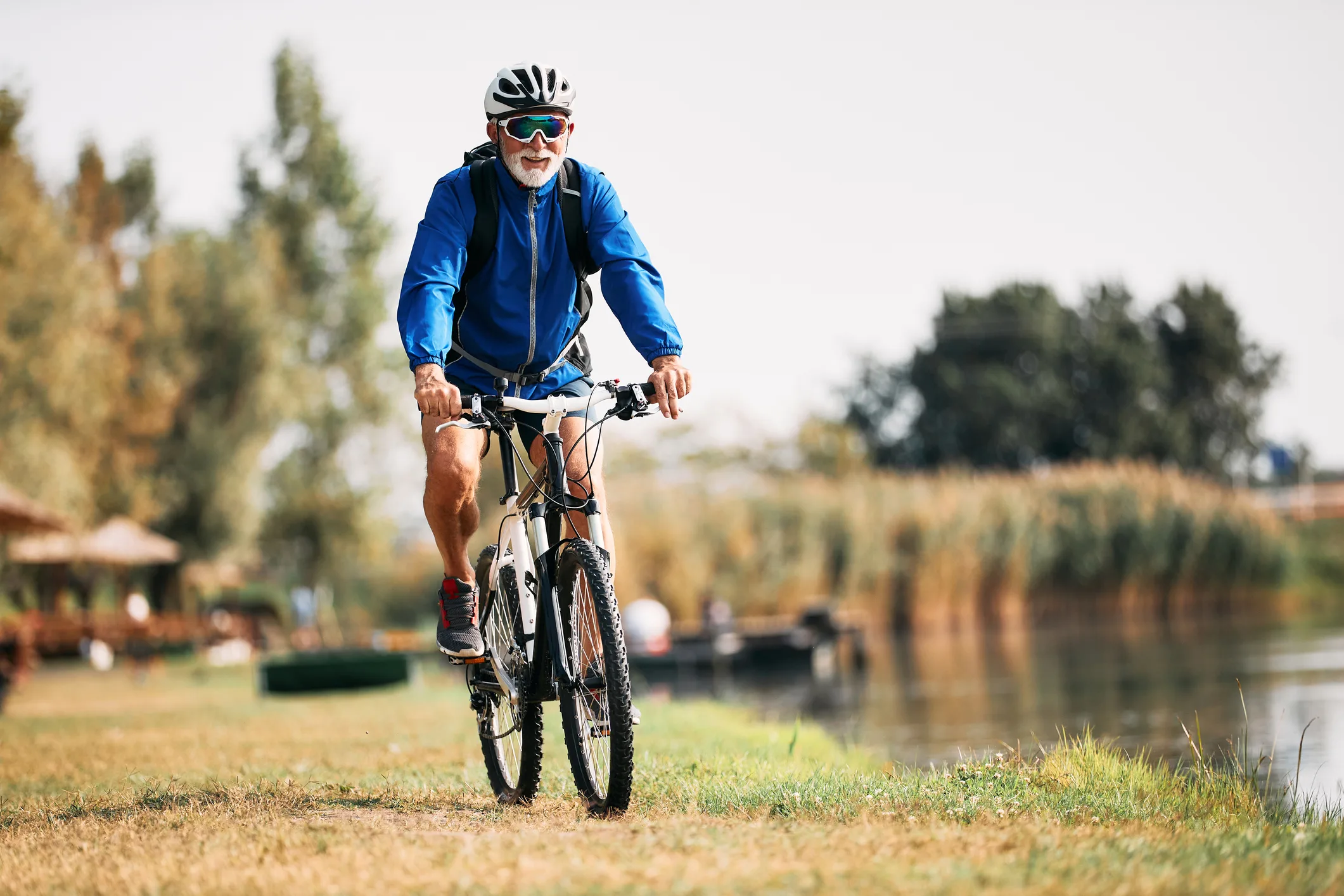
- Low-impact exercises like daily walking, water aerobics, light cycling, or gentle stretching contract skeletal muscles, naturally pumping lymph through the body.
- Elevate Your Legs: Resting with your legs elevated above heart level for 15–20 minutes at the end of the day uses gravity to assist fluid drainage from swollen feet, ankles, and calves.
Important Safety Considerations
While gentle lymphatic drainage techniques are generally safe for healthy adults, you should consult your physician or a certified lymphatic specialist before trying them if you have any of the following medical conditions:
- Congestive heart failure or severe cardiovascular conditions
- Active kidney disease or deep vein thrombosis (DVT)
- Active skin infections (such as cellulitis) or unexplained acute swelling
Takeaway
While we can’t completely stop gravity or time from taking a bit of a toll on our ankles, taking a few minutes to support your lymphatic system can help you feel lighter, more comfortable, and ready to tackle the day. Think of it as giving your body’s internal maintenance crew a well-deserved hand!
Source: