The Mediterranean Diet (MedDiet) turns 30 this year. A time-tested way of eating has been proving its worth for decades, and it’s anything but a fad. More than just a diet, it’s a way of life that has been a part of the cultural heritage of humanity since 2010, but dates back to the origin of the MedDiet pyramid published in 1995. It’s not just a diet; it’s a passport to better health.
This isn’t just about what you eat, but how you eat. The MedDiet is a delicious, common-sense approach that focuses on whole, plant-based foods, healthy fats, and a little bit of joy. You won’t find yourself counting every single calorie or cutting out entire food groups. Instead, you’ll be enjoying a rich, satisfying way of eating that has been linked to a longer, healthier life.
More Than Just a Diet: It’s a Lifestyle
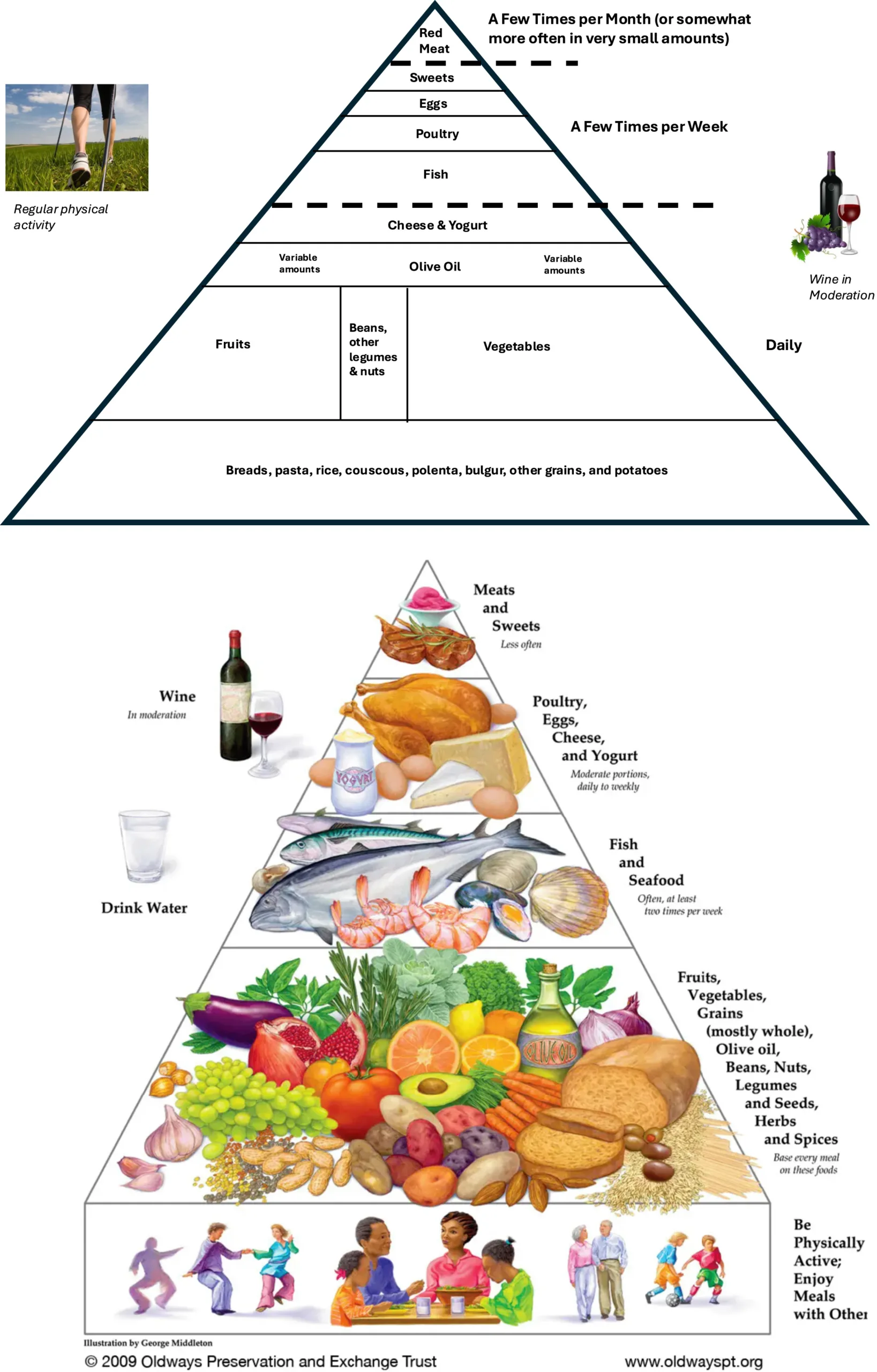
The MedDiet’s health benefits have been studied extensively for decades, but it took a groundbreaking 1995 publication of the MedDiet pyramid to really get the world’s attention. This pyramid flipped the script on the low-fat craze of the time, proving that the quality of fats matters more than the quantity.
Here’s what the science says about the MedDiet:
- Heart Health: A study in Spain found that people who followed a MedDiet rich in extra-virgin olive oil or nuts had a 28% to 31% lower risk of heart-related events like stroke or heart attack. Another study showed a 26% reduced risk in patients with established coronary artery disease.
- Cognitive Function: High adherence to the MedDiet has been linked to a 25% lower risk of mild cognitive impairment and a 29% lower risk of Alzheimer’s disease.
- Cancer & Mortality: Following the MedDiet has been associated with a 13% lower risk of cancer mortality and a 25% lower risk of death for cancer survivors.
What to Eat (and What to Limit)
The MedDiet is less about strict rules and more about a general philosophy of eating. It emphasizes a few key principles:
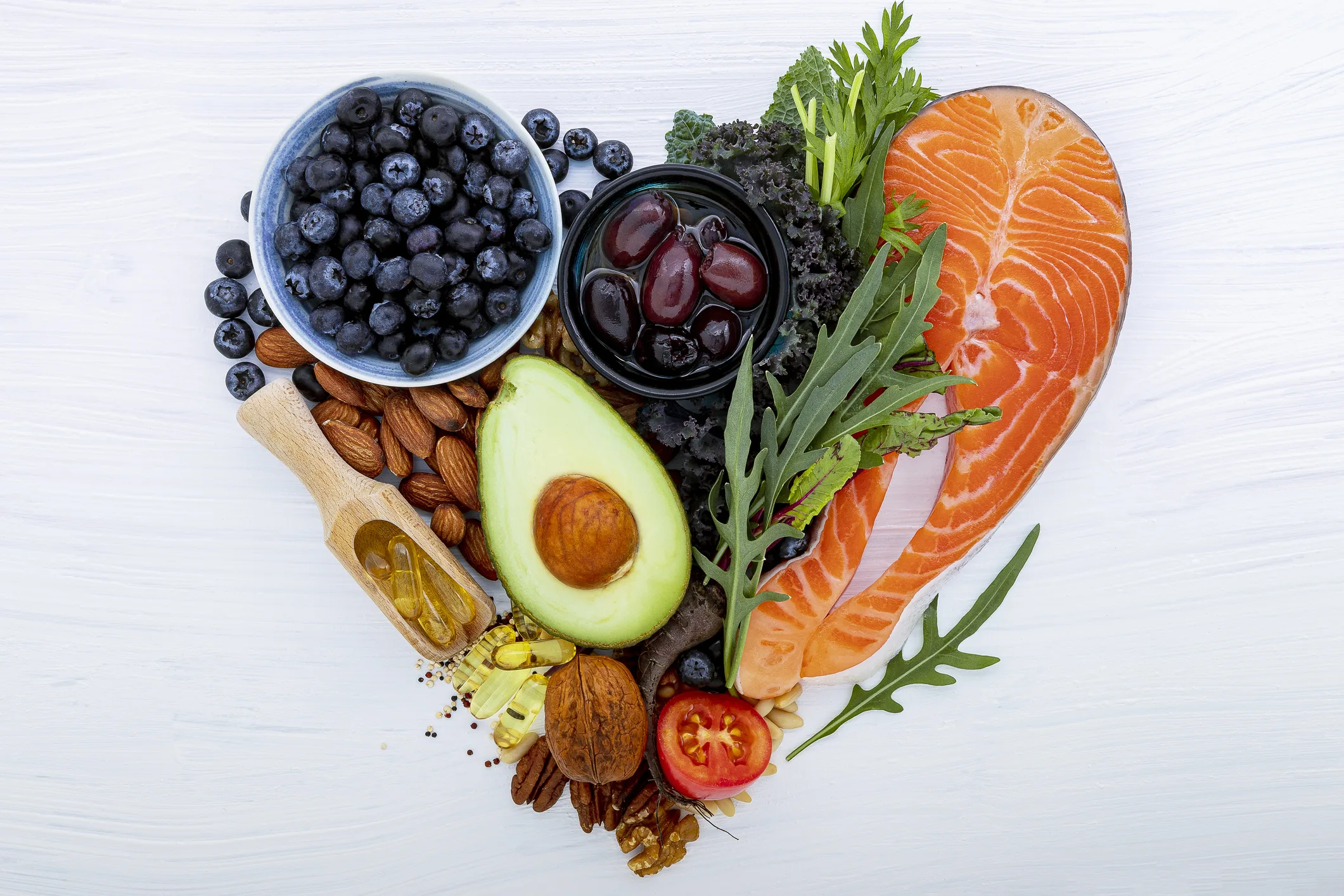
- Load Up on Plants: Your plate should be filled with fruits, vegetables, whole grains, legumes, nuts, and seeds. Think of these as the foundation of every meal.
- Embrace Olive Oil: Extra virgin olive oil is the star of this show. It’s the primary source of fat and is associated with a lower risk of cardiovascular disease, type 2 diabetes, and mortality.
- Enjoy Fish and Poultry: These are great sources of protein, but aim to eat them in moderation.
- Limit Red Meat: Save red meat for special occasions rather than a daily staple.
- Sip Wine with Meals (if you choose): Moderate wine consumption, especially with meals, is a part of the traditional MedDiet, though research is still ongoing in this area.
The best part? The MedDiet is not a “one-size-fits-all” plan. It celebrates the diversity of food across Mediterranean regions, from Italy to Turkey, so you can adapt it to your own tastes and culture.
So, forget the complicated programs and start enjoying a diet that’s as good for your taste buds as it is for your body!
Source:
Three decades of the Mediterranean diet pyramid: A narrative review of its