Alright, folks, let’s have a chat. We all know that as we gracefully (or sometimes not-so-gracefully) age, things start to change. Maybe you misplace your keys more often, or perhaps your memory isn’t quite as sharp as it used to be when you could recall every single lyric to that Elvis tune. Well, guess what? It’s not just about those senior moments (though we’ve all had a few!). There’s some fascinating stuff happening deep down in your cells, and it’s called methylation.
Now, don’t let that fancy scientific word scare you off. Think of your DNA as the instruction manual for your body. Methylation is like little sticky notes that get attached to this manual. These sticky notes don’t change the actual words (your genes), but they can tell your body whether to read a certain instruction loudly and clearly, or to just skip over it entirely.
So, What’s the Big Deal for Us Seasoned Citizens?
As we collect more candles on our birthday cakes, these “sticky notes” on our DNA can get a little… well, let’s just say enthusiastic in some places and a bit absent-minded in others. It’s like your instruction manual has developed its own quirky filing system!
- Things Getting Too Loud (or Quiet): Sometimes, important instructions that are supposed to be quiet (like the ones that tell cells to stop growing when they should) get a bit too loud. This can be a bit of a troublemaker, potentially leading to things like certain unwelcome growths (you know what we mean!). On the flip side, instructions that should be loud and clear (like the ones that keep our hearts healthy or our brains sharp) can get muffled.
- Our Body’s Defenses Getting a Little Rusty: Remember when your immune system was like a well-oiled machine, ready to tackle any sniffle or cough? Well, as we age, the methylation patterns in our immune cells can change, making them a little less efficient at their job. It’s like your trusty old guard dog might be taking a few more naps these days.
- The Brain… Oh, the Brain! Our amazing brains rely on a symphony of genes working just right. Changes in methylation can affect the genes involved in memory, learning, and even mood. So, that momentary blank when you’re trying to remember your neighbor’s name? Methylation might be playing a tiny (but significant) role.
The Good News? We Might Have Some Control!
Now, before you start blaming those little methyl groups for everything from your creaky knees to your inability to find your reading glasses, here’s the exciting part: unlike the actual letters in our DNA, these methylation “sticky notes” can potentially be influenced!
Think of it like this: if your instruction manual has too many sticky notes in the wrong places, there might be ways to gently peel some off and add others where they’re needed. While scientists are still learning a lot, research suggests that some everyday habits might actually help keep our methylation patterns in better shape:
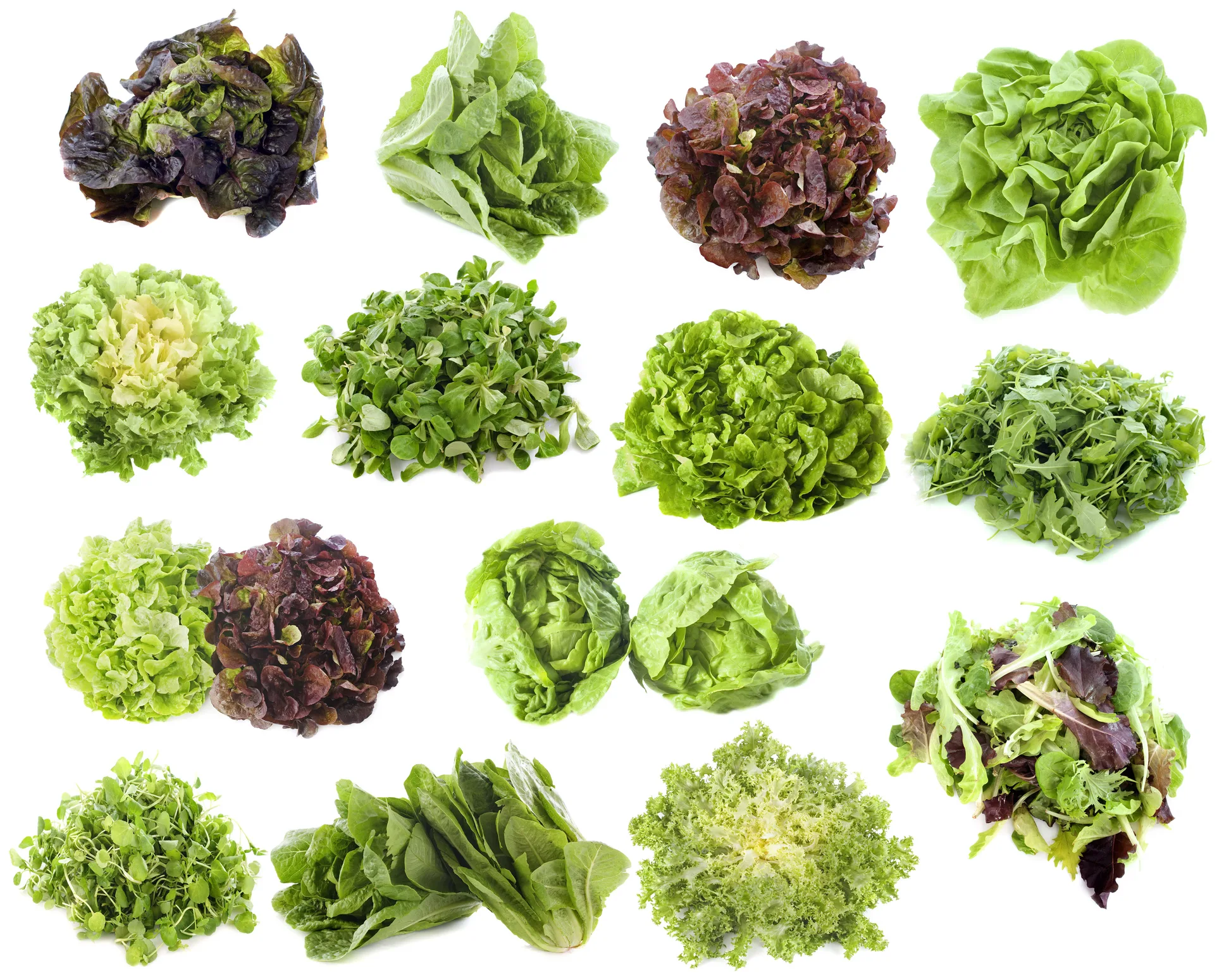
- Eat Your Greens: Foods rich in folate (think leafy greens, spinach and kale), B vitamins (found in things like fish and eggs), and choline (in eggs, liver and soybeans) are important for the methylation process. So, that healthy diet your doctor keeps nagging you about? It might be doing more than just keeping your waistline in check!
- Key Nutrients for Methylation
|
Nutrient |
Primary Food Sources |
|
Folate (B9) |
Leafy green vegetables (spinach, kale), legumes (lentils, beans) |
|
Vitamin B12 |
Meat (beef, fish), dairy products, fortified foods |
|
Vitamin B6 |
Poultry, fish (salmon, tuna), bananas, chickpeas |
|
Betaine |
Beets, spinach, quinoa |
|
Choline |
Eggs, liver, soybeans, peanuts |
- Move It or Lose It!: Exercise isn’t just good for your heart and muscles; it might also have a positive impact on your methylation patterns. So, whether it’s a brisk walk in the park or tending to your garden, keep moving!
- Stress Less, Live More: Chronic stress can wreak havoc on our bodies in many ways, and it seems methylation is no exception. Finding healthy ways to manage stress, whether it’s through hobbies, spending time with loved ones, or just enjoying a good cup of tea, could be beneficial.
- Get Enough Sleep: Adequate sleep is essential for overall health and supports proper bodily functions, including methylation.
- Limit Exposure to Toxins: Minimize your exposure to environmental toxins such as pesticides, heavy metals, and processed foods. These substances can place a strain on the detoxification pathways that rely on methylation.
- Stay Hydrated: Drinking an adequate amount of water is essential for all bodily functions, including the efficient operation of methylation processes.
Takeaway
Methylation is a fascinating and complex process happening in all of us, and it plays a crucial role in how our bodies function as we age. While we can’t turn back the clock, understanding how these little molecular changes work might empower us to make choices that support healthier aging.
So, the next time you forget where you put your car keys, don’t just blame it on getting older. Maybe just maybe, those little methyl groups are having a bit of a senior moment themselves! And who knows, with a few healthy habits, we might just be able to help them remember their jobs a little better. Now, where did I put my… oh, never mind!
Source:
DNA methylation and Memory Formation
What is DNA methylation? Discover the fascinating world of DNA methylation