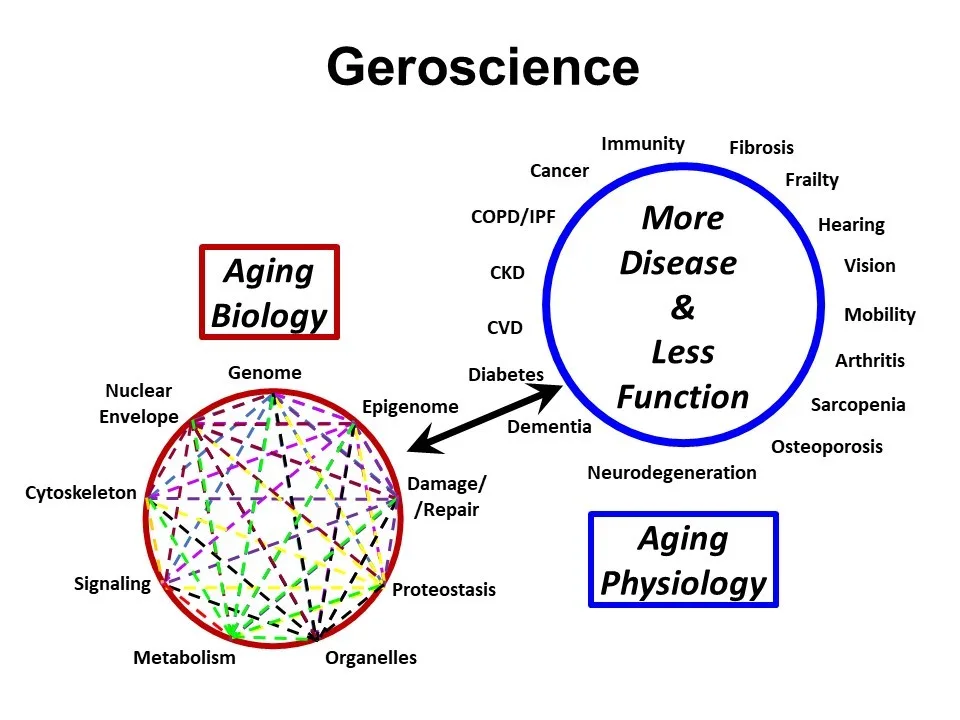
Previously, in part 2 of our series, we discussed the organelles impact on Health and Aging.
Today we delve into Mitochondrial Respiration and Mitochondrial Content, both of which are crucial for optimal muscle function and overall health. However, they represent distinct aspects of mitochondrial health.
Recent evidence suggests that increases in exercise intensity (sprint interval training [SIT]; high-intensity interval training [HIIT]) lead to enhanced mitochondrial respiration and function, whereas prolonged low-intensity and high-volume (long slow-distance [LSD] training) endurance exercise appears to aid in increased mitochondrial content within skeletal muscle.
What’s the Difference Between Mitochondrial Respiration and Content?
Mitochondrial Respiration
Refers to the efficiency and capacity of the mitochondria to produce energy (ATP) through cellular respiration. It involves:
- Increased ATP production: The mitochondria are more efficient at converting nutrients into energy.
- Improved electron transport chain activity: The chain of proteins that transfers electrons to produce ATP functions more effectively.
- Reduced oxidative stress: The mitochondria produce fewer harmful reactive oxygen species (ROS).
Mitochondrial Content
Refers to the number of mitochondria within a muscle cell. More mitochondria mean:
- Greater ATP production capacity: A larger number of mitochondria can generate more energy.
- Enhanced oxidative capacity: The muscle can utilize oxygen more efficiently for aerobic metabolism.
- Improved recovery from exercise: More mitochondria can help remove metabolic waste products and repair muscle damage.
The Interplay Between the Two
While these two concepts are distinct, they often work together. For example, increased mitochondrial content can lead to enhanced respiration and function, as more mitochondria provide a larger surface area for energy production. Conversely, improved mitochondrial function can stimulate mitochondrial biogenesis, leading to an increase in mitochondrial content.
In summary:
- Enhanced mitochondrial respiration and function focuses on the quality and efficiency of the mitochondria.
- Increased mitochondrial content focuses on the quantity of mitochondria.
Both are essential for optimal muscle health and performance.
Source: