If you are reading this and have already celebrated your 60th birthday, congratulations—you have officially survived the era of low-rise jeans, dial-up internet, and decades of workplace meetings that absolutely could have been emails. However, you might read standard health advice telling you to “start preparing for old age during your 30s” and feel a slight sense of panic. Since time travel remains frustratingly unavailable, reading lectures meant for 40-year-olds isn’t particularly helpful.
The reality is that health optimization doesn’t stop at 60. Data from the landmark 2025 National Health and Morbidity Survey (NHMS) underscores a critical truth: aging is a continuous process, and the choices made today directly dictate your level of independence tomorrow. It is entirely possible to enhance your physical function, protect your cognition, and extend your “healthspan”—the period of life spent free from chronic disease and disability.
The Shift from Lifespan to Healthspan
Modern medicine has become exceptionally skilled at keeping people alive longer, but longevity without quality of life is a hollow victory. The objective for adults over 60 is to compress morbidity—minimizing the period of decline at the end of life. Geriatric research emphasizes that conditions like frailty, sarcopenia (age-related muscle loss), and cognitive decline are not inevitable consequences of turning 60; rather, they are highly modifiable trajectories.
Defeating Sarcopenia and Protecting Independence
According to the European Working Group on Sarcopenia in Older People (EWGSOP2), muscle strength is the most reliable predictor of adverse aging outcomes. Muscle mass naturally declines at a rate of roughly 1% to 2% per year after age 50, accelerating after 60 if left unaddressed.
- Prioritize Progressive Resistance Training: While walking is excellent for cardiovascular health, it is insufficient to prevent muscle wasting. Engaging in resistance exercises (using weights, bands, or body weight) two to three times per week stimulates muscle protein synthesis and preserves bone density.
- Optimize Protein Intake: Older adults experience “anabolic resistance,” meaning the body requires more protein to stimulate muscle growth than it did in youth. Geriatric nutritional guidelines recommend an intake of 1.2 to 1.5 grams of protein per kilogram of body weight daily, distributed evenly across meals.
- Focus on Balance and Power: Incorporating exercises that challenge balance and fast-twitch muscle fibers (like tai chi or functional step-ups) directly reduces the risk of falls—the leading cause of accidental injury in adults over 60.
Cognitive Reserve and Neurological Resilience
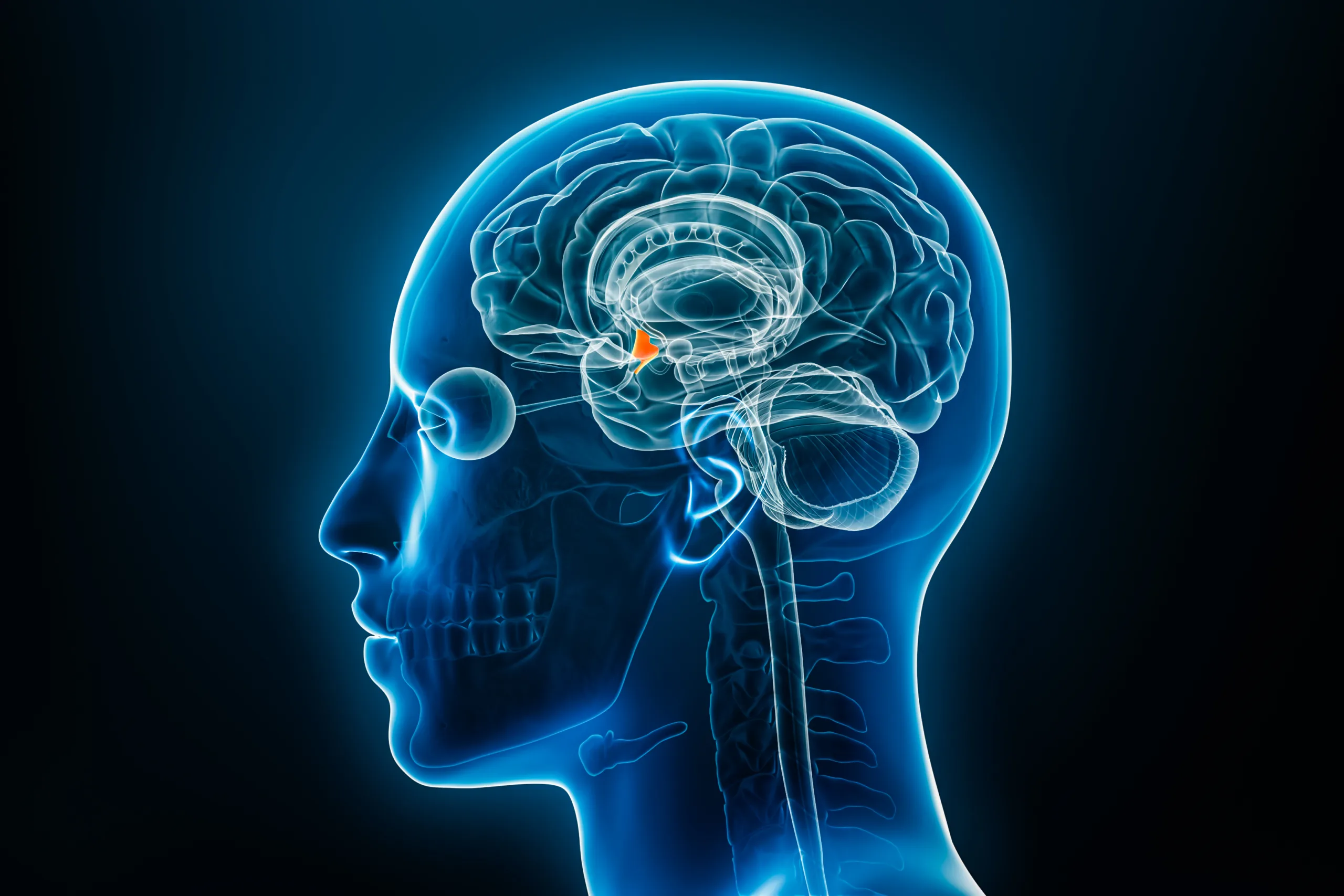
The 2025 NHMS data noted a concerning trend: approximately one in ten older adults face dementia. However, extensive research, including reports from the Lancet Commission on Dementia, confirms that nearly 40% of dementia cases are linked to modifiable risk factors that can still be managed in later life.
Modifiable Risk Factors for Cognitive Decline
├── Vascular Health (Hypertension, Diabetes)
├── Sensory Input (Addressing Hearing Loss)
└── Lifestyle Factors (Social Isolation, Physical Inactivity)
- Protect Your Hearing: Midlife and late-life hearing loss is one of the highest modifiable risk factors for dementia. Treating hearing loss with properly fitted hearing aids reduces cognitive strain and prevents the brain atrophy associated with auditory deprivation.
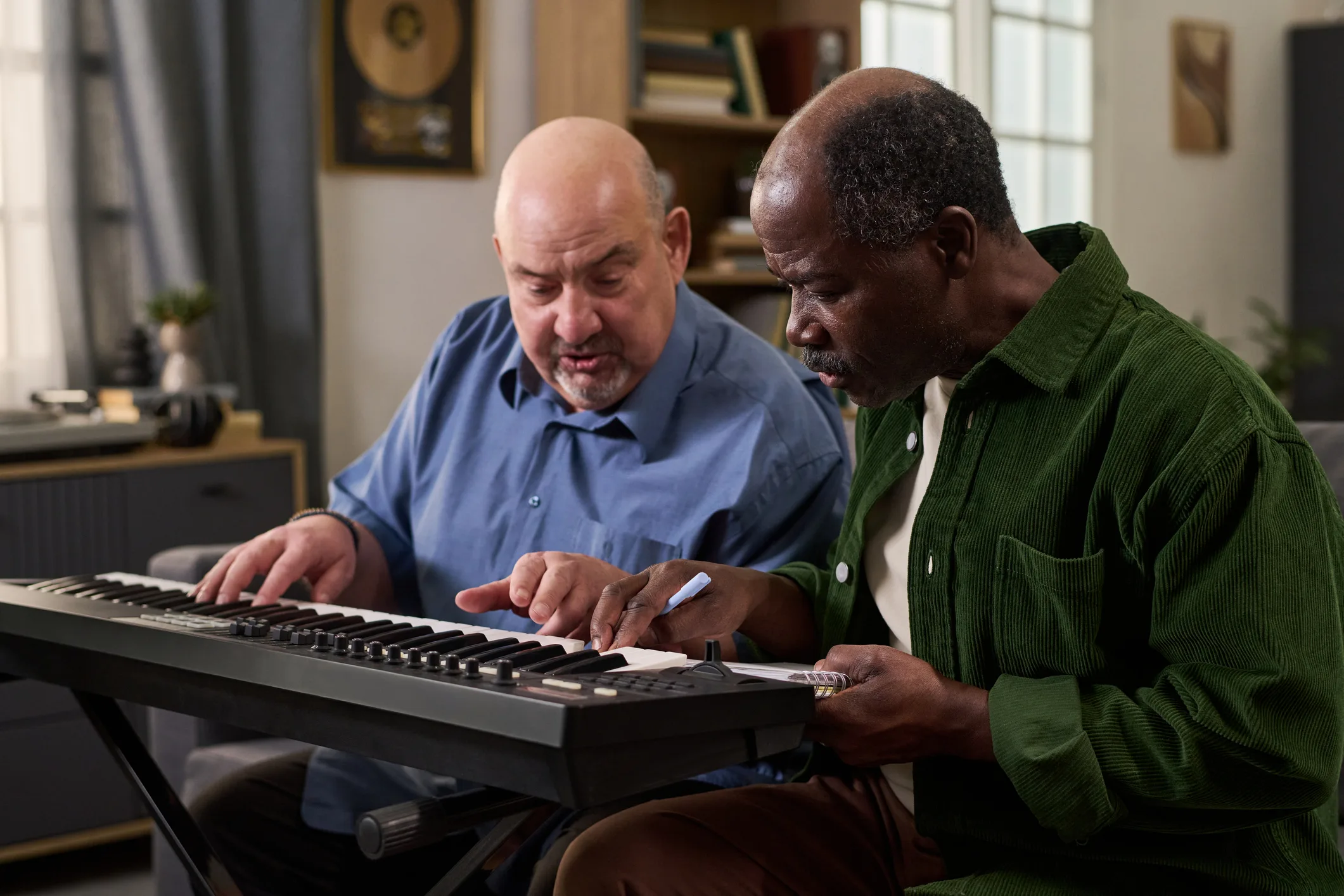
- Build Cognitive Reserve: The brain retains neuroplasticity well into older age. Challenging the brain with novel, complex tasks—such as learning a new language, mastering an instrument, or navigating complex digital systems—creates alternative neural pathways that buffer against cognitive decline.
- Manage Cardiovascular Metrics: What is good for the heart is invariably good for the brain. Uncontrolled hypertension and type 2 diabetes damage microvessels in the brain, accelerating vascular dementia.
Mental Well-being, Sleep, and Social Infrastructure
The psychological aspects of aging are frequently overshadowed by physical ailments, yet the 2025 NHMS report highlighted significant rates of depression and social isolation among older demographics. Retirement often strips away a built-in social identity, making deliberate lifestyle design essential.
- Establish a Post-Retirement Purpose: Maintaining a structured routine, pursuing hobbies, volunteering, or engaging in community mentorship provides a sense of purpose that lowers systemic cortisol and reduces inflammation.
- Protect Circadian Rhythms: Sleep architecture changes with age, leading to shallower sleep and earlier waking hours. However, chronic sleep deprivation impairs memory consolidation and metabolic health. Limit screen time before bed and maintain consistent sleep schedules to support neurological clearing processes.
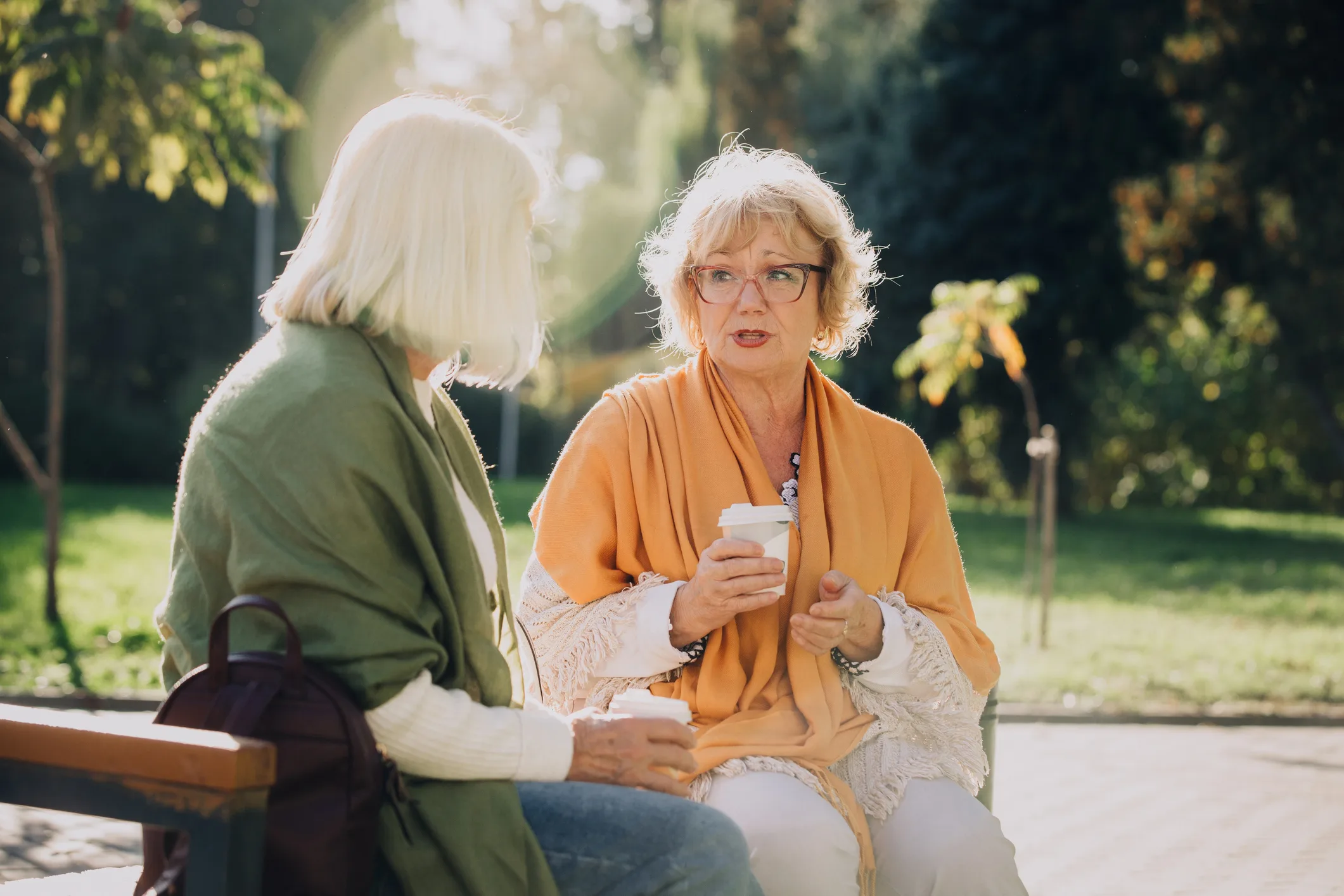
- Combat Involuntary Isolation: Loneliness carries a mortality risk comparable to smoking. Actively maintaining multi-generational friendships and community ties serves as a profound psychological buffer.
Proactive Healthcare and Future Planning
Healthy aging past 60 requires moving away from reactive medicine and embracing a rigorous, preventive approach.
- Routine Biomarker Screenings: Conditions like hypertension and hypercholesterolemia are notoriously silent. Regular tracking of blood pressure, HbA1c (blood sugar), and lipid profiles allows for early intervention before irreversible vascular damage occurs.
- Immunological Maintenance: As the immune system undergoes immunosenescence (gradual decline), staying updated on vaccines—including influenza, pneumococcal, shingles, and Covid-19—is a critical line of defense against debilitating infections.
- Digital and Financial Literacy: Modern healthcare and social services are increasingly digital. Cultivating digital literacy is no longer optional; it is a prerequisite for maintaining autonomy. Concurrently, realistic financial planning for future caregiving needs mitigates chronic stress and ensures you retain control over your future living arrangements.
Takeaway
Ultimately, optimization after 60 does not require a flawless, monastic lifestyle. It requires consistent, deliberate habits that protect your mobility, mind, and autonomy. Think of it as a strategic investment: you are putting in the work now so that your future self can continue to enjoy your independence, open your own pickle jars, and successfully ignore scam text messages with supreme confidence. You’ve made it this far—now give yourself the infrastructure to enjoy the rest of the ride on your own terms.