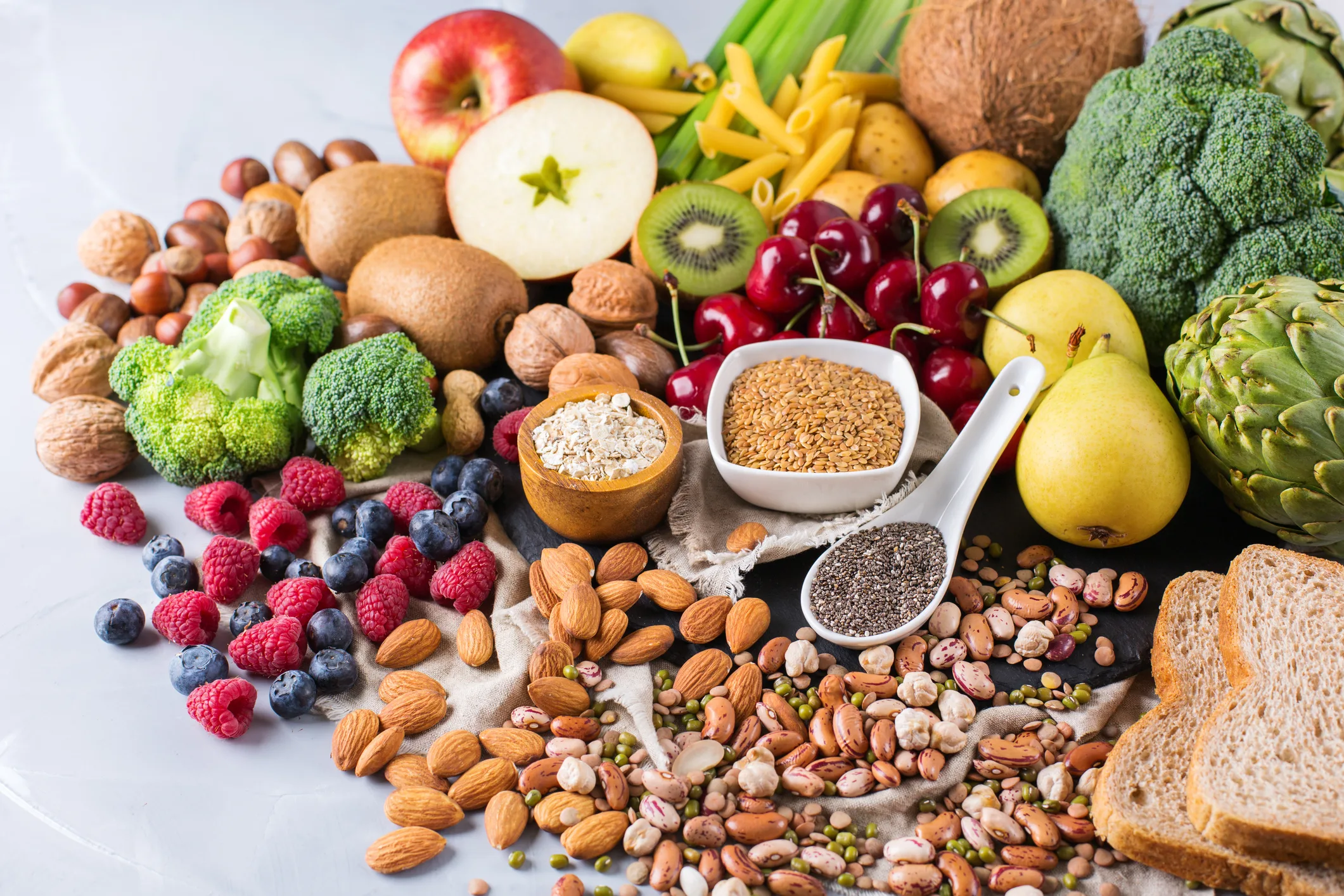
Oral Allergy Syndrome (OAS) is a fascinating and often surprising condition that affects many individuals, particularly those with pollen allergies. Imagine biting into a crisp apple or a juicy peach, only to experience an itchy mouth, tingling lips, burning tongue or even a scratchy throat. This is the reality for someone living with OAS.
At its core, OAS is a type of food allergy triggered by cross-reactivity between proteins in certain raw fruits, vegetables, and nuts, and the allergy-causing proteins (allergens) found in various pollens. Think of it as your immune system mistaking the proteins in that apple for the birch pollen it’s allergic to!
The Culprits Behind the Itch
The specific fruits, vegetables, and nuts that trigger OAS vary depending on the type of pollen allergy a person has. Some common pollen-food pairings include:
- Birch pollen: Apples, pears, cherries, peaches, plums, apricots, kiwis, carrots, celery, almonds, hazelnuts.
- Ragweed pollen: Bananas, melons (cantaloupe, honeydew, watermelon), zucchini.
- Grass pollen: Melons, tomatoes, oranges, kiwi, celery.
These raw foods contain proteins that are structurally similar to the proteins in the corresponding pollen. When someone with a pollen allergy eats these raw foods, their immune system recognizes these similar proteins and mounts an allergic response, primarily localized in the mouth and throat.
Symptoms: Usually Mild, Sometimes More
The symptoms of OAS are typically mild and short-lived, often resolving within minutes of swallowing or spitting out the offending food. Common symptoms include:
- Itching or tingling of the lips, tongue, and throat
- Mild swelling of the lips, tongue, or throat
- Scratchy throat
However, in some individuals, particularly those with high pollen sensitivity or who consume large amounts of the trigger food, more severe reactions can occur. These might include hives, nausea, vomiting, diarrhea, or even, in rare cases, anaphylaxis.
Diagnosis and Management
Diagnosing OAS usually involves a thorough review of a person’s allergy history, including their pollen allergies and the specific foods that cause reactions. Skin prick tests or blood tests for pollen allergies can also provide valuable information. While there isn’t a specific test for OAS itself, identifying the underlying pollen allergy is key.
Managing OAS primarily involves avoiding the raw forms of the trigger foods. Interestingly, heating or cooking these foods often denatures the problematic proteins, making them less likely to cause a reaction. For example, someone allergic to raw apples due to birch pollen might be able to enjoy applesauce or apple pie without any issues.
Antihistamines can help alleviate mild symptoms if a reaction occurs. Individuals who have experienced more severe reactions may need to carry an epinephrine auto-injector (EpiPen) for emergency use.
Living Well with OAS
While OAS can be bothersome, most people can manage their symptoms effectively with a few dietary adjustments. Here are some helpful tips:
- Identify your triggers: Pay close attention to which raw fruits, vegetables, and nuts cause a reaction. Keeping a food diary can be helpful.
- Cook your fruits and vegetables: Heating often eliminates the allergenic proteins.
- Peel your fruits and vegetables: The highest concentration of the problematic proteins is often found in the skin.
- Consider processed options: Canned or pasteurized fruits and vegetables may be better tolerated.
- Talk to your allergist: They can provide personalized advice and help you develop a management plan.
Takeaway
Oral Allergy Syndrome is a common condition that highlights the intricate ways our immune system can react to the environment. By understanding the connection between pollen allergies and certain raw foods, individuals with OAS can take steps to manage their symptoms and continue to enjoy a varied and nutritious diet.
Source: