Imagine your bones as a bank account. You deposit calcium and strength through your younger years, building up a good reserve. But as you get older, especially after menopause for women, you start making withdrawals. Osteopenia is like getting a warning slip: your balance is getting low, and you need to take action before it’s too late!
What Exactly is Osteopenia?
It’s not osteoporosis (yet!). Think of osteopenia as the “pre-osteoporosis” stage. Your bones are thinner than they should be, making them a bit weaker. This means you’re at a higher risk of fractures, but you still have time to turn things around.
Why Does This Happen?
- Age: Our bodies naturally lose bone density as we get older.
- Hormones: Especially for women, the drop in estrogen after menopause accelerates bone loss.
- Lifestyle: Not enough calcium or vitamin D, being inactive, smoking, and too much alcohol can all weaken your bones.
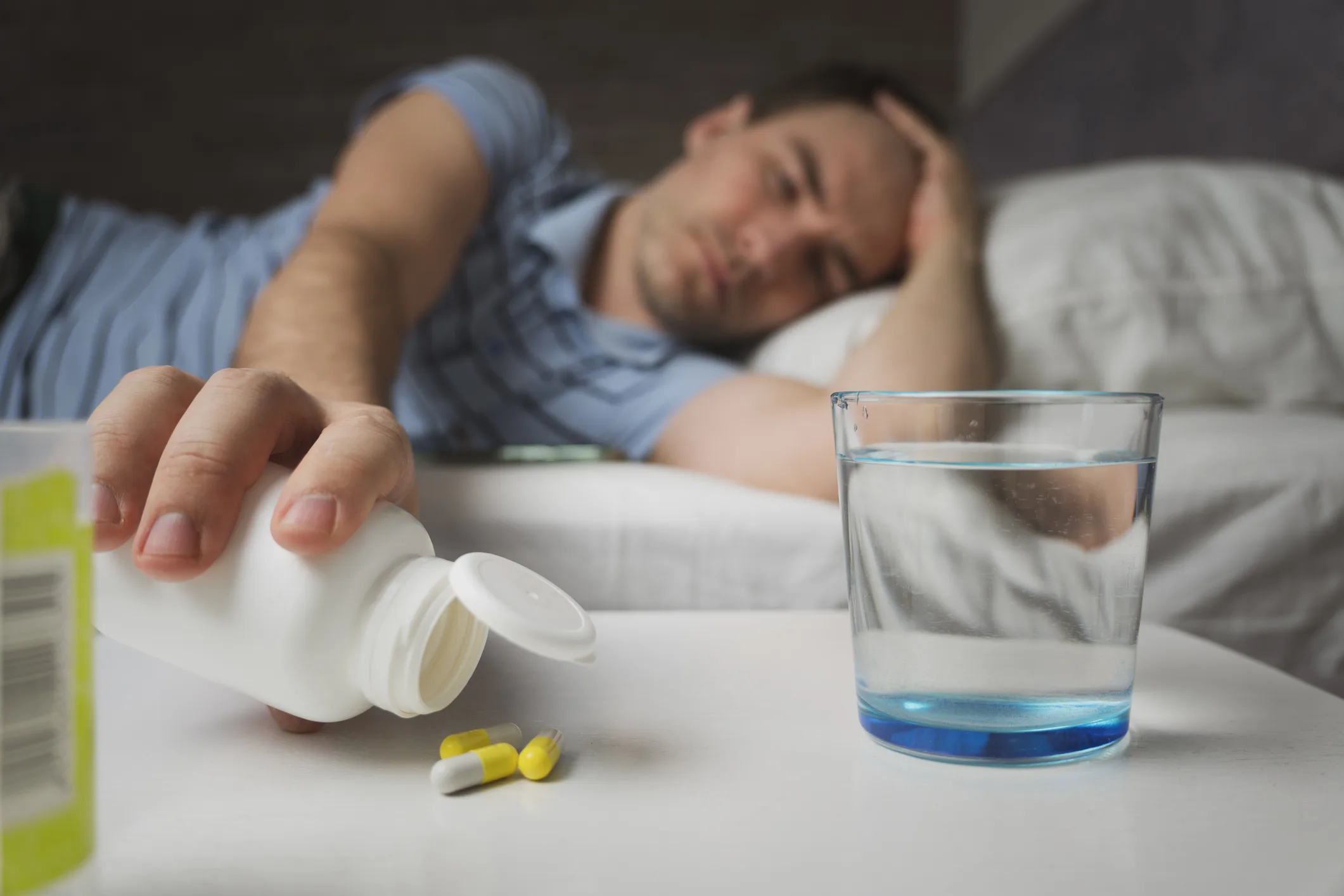
- Medical Stuff: Some health conditions and medications can also play a role.
How Do You Know If You Have It?
A simple and painless test called a DEXA scan measures your bone density (bone mineral content) in areas like your spine and hips. It’s like getting a snapshot of your bone health. If your score is a little low, you might have osteopenia. T-scores between -1.0 and -2.4 indicate osteopenia, while scores below -2.5 signify osteoporosis.
What Can You Do About It?
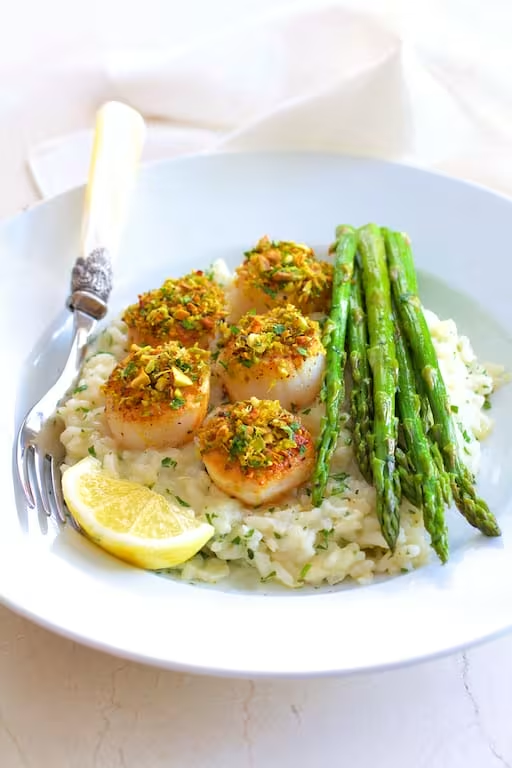
- Eat Right: Load up on calcium-rich foods like dairy, leafy greens, and fortified foods. Make sure you’re getting enough vitamin D too, either through sunlight or supplements.
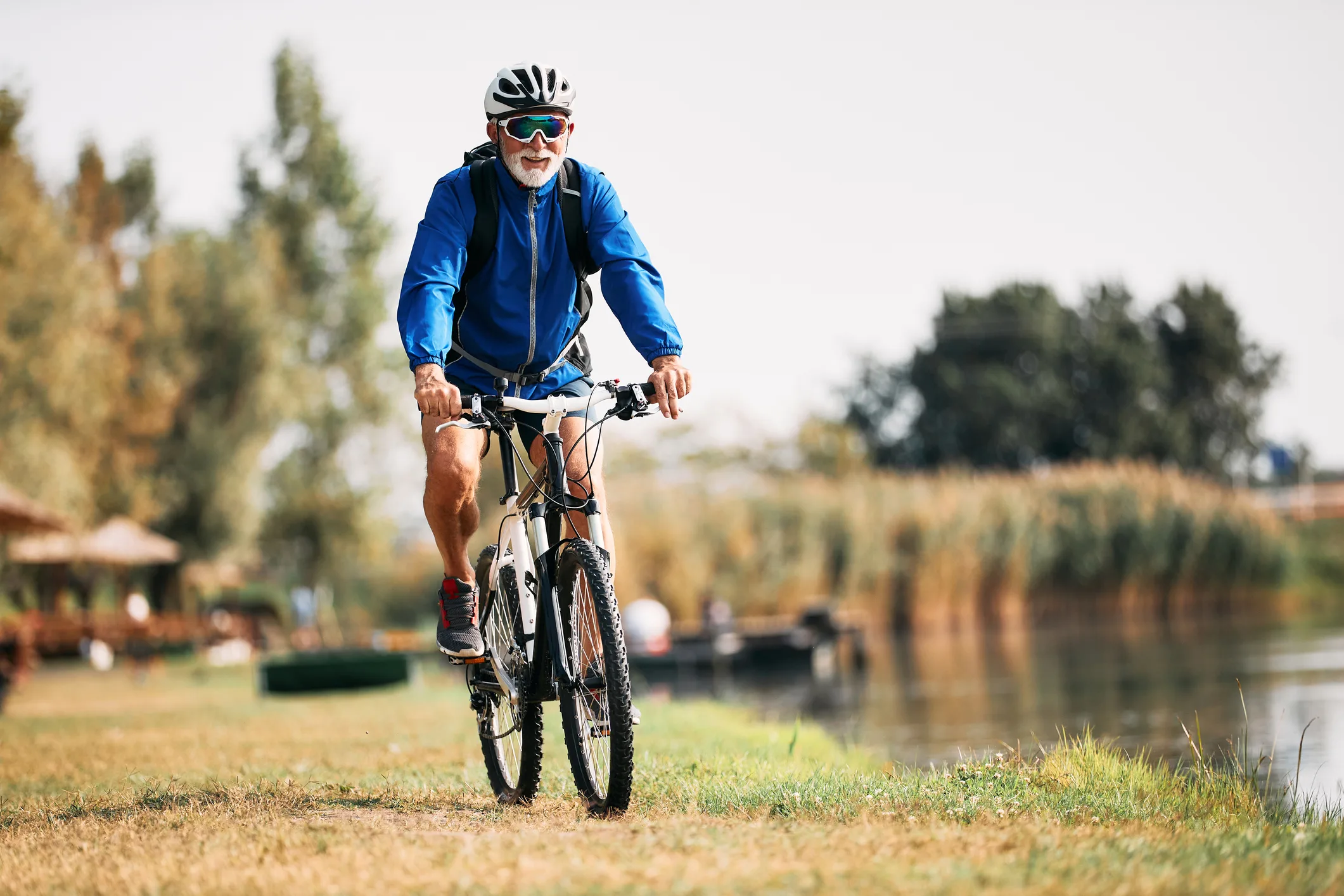
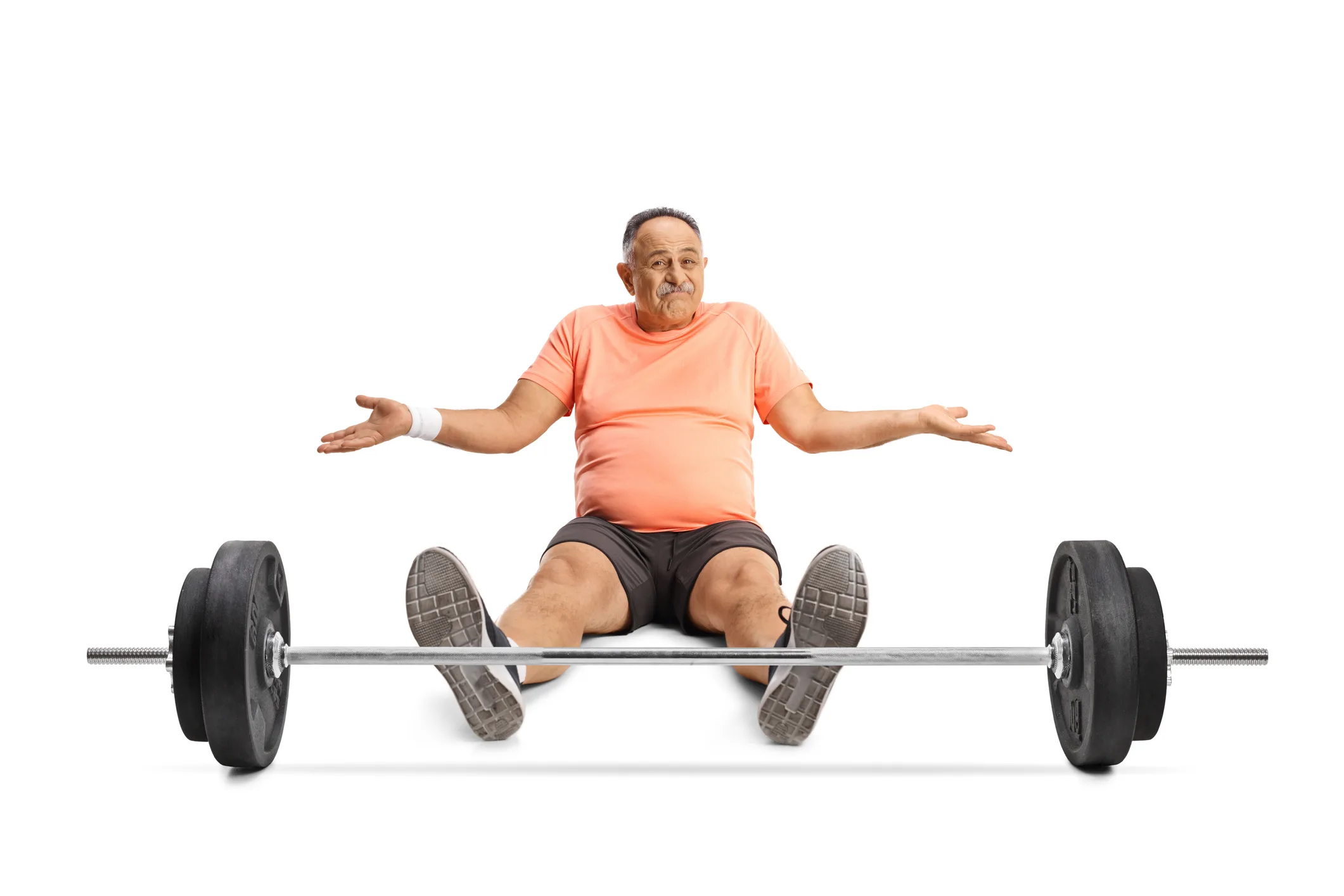
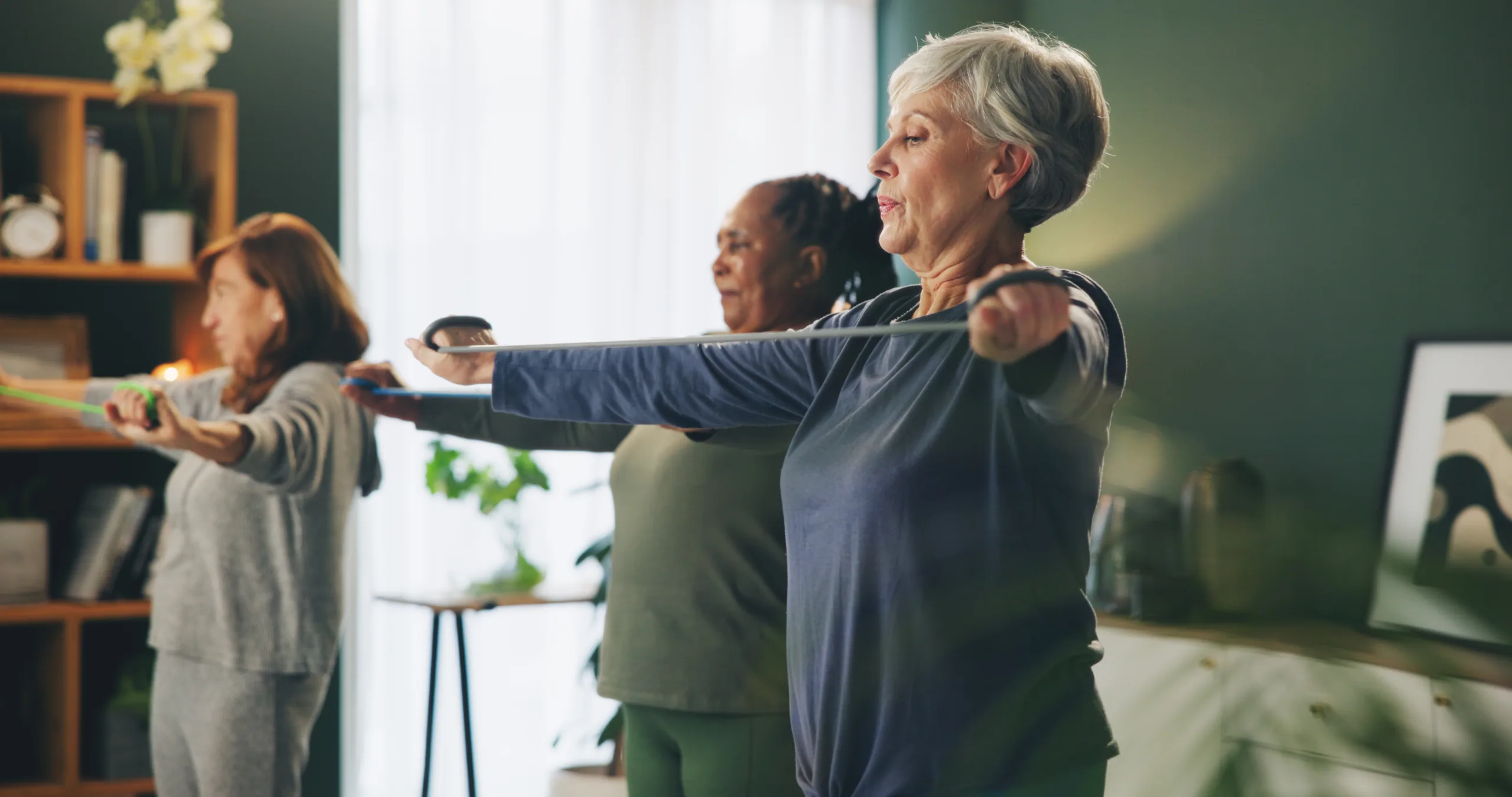
- Get Moving: Weight-bearing exercises like walking, dancing, and strength training help build and maintain bone density.
- Ditch Bad Habits: If you smoke, quit. If you drink too much, cut back.
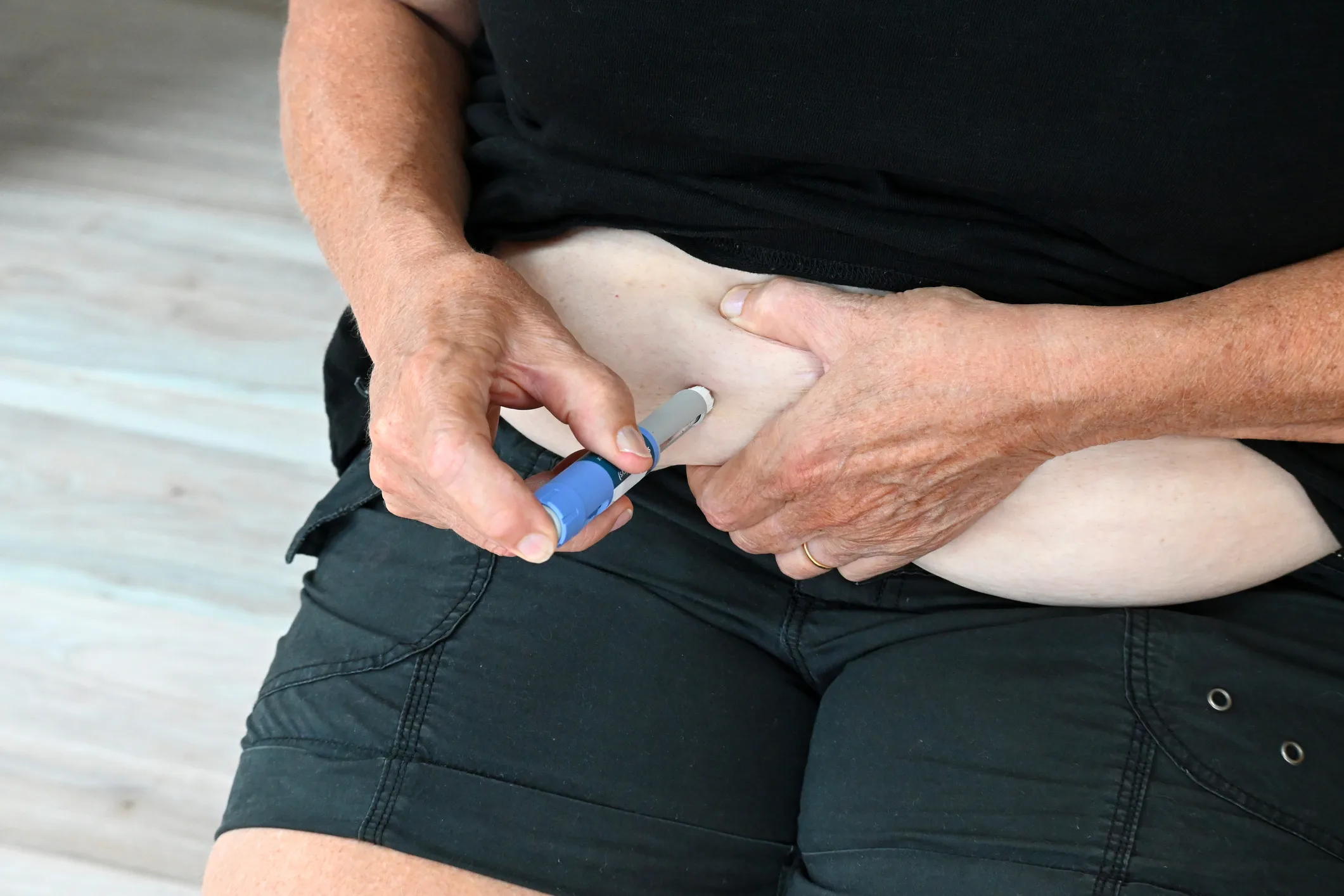
- Talk to Your Doctor: They can help you figure out if you need medication or other treatments.
Takeaway
Osteopenia is a heads-up, not a sentence. You have the power to strengthen your bones and prevent fractures. By making simple lifestyle changes and working with your doctor, you can keep your bones strong and healthy for years to come.
Source: