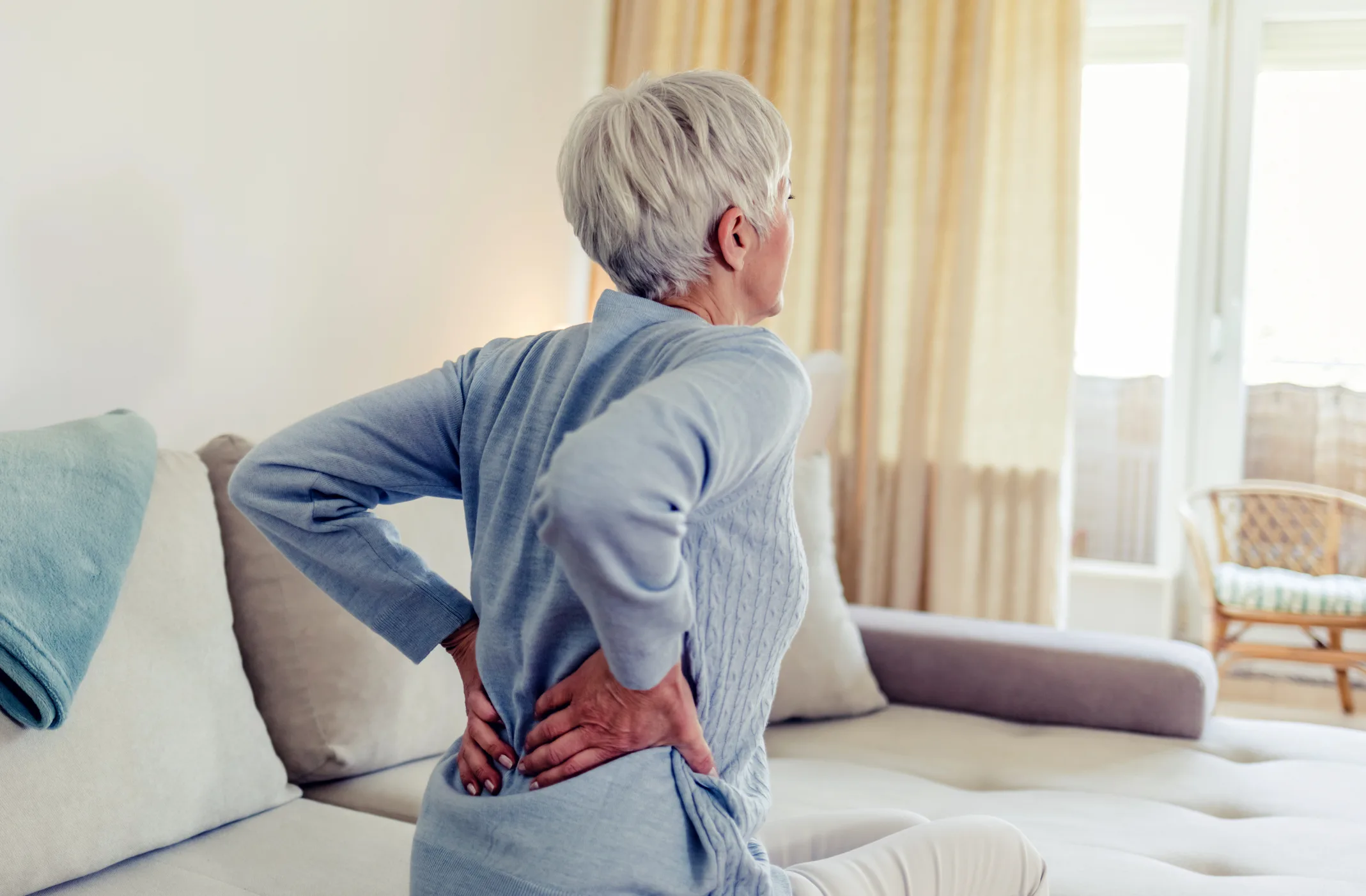
Let’s be honest—at 50 and beyond, we’ve all started to notice a few more “creaks” when we get out of bed in the morning. But while we’re busy focusing on our joints, our bones might be staging a quiet protest known as osteoporosis.
A comprehensive new study out of France has taken a deep dive into how we track this “silent” condition. By linking national healthcare claims with personal health surveys, researchers discovered that what you tell your doctor and what’s in your official medical record are often reading from two completely different scripts.
The Great “Bone” Disconnect
The study found a surprising gap between patient awareness and medical reality. It turns out that relying on just one source of information is like trying to assemble IKEA furniture with half the instructions—you might get something that looks like a chair, but you probably shouldn’t sit on it.
- The Knowledge Gap: About 28% of people being treated for osteoporosis didn’t actually realize they had the condition. This suggests doctors may be prescribing “bone health” pills without clearly explaining the diagnosis.
- The Treatment Gap: On the flip side, only 38% of those who knew they had osteoporosis were actually receiving medical treatment for it.
- The “Paperwork” Advantage: Interestingly, official healthcare records were much better at predicting future fractures than a patient’s own memory. If your record shows a “fragility fracture” (a break from a minor fall), it’s a massive red flag, even if you haven’t been formally diagnosed yet.
More Than Just a Broken Bone
This isn’t just about a trip to the radiologist. The research emphasizes that the “burden” of osteoporosis is three-fold:
- Physical & Vital: Fractures in our 50s and 60s are major predictors of long-term disability and even increased mortality rates.
- Financial: Between hospital stays, rehabilitation, and long-term care, the economic drain on both the healthcare system and your personal savings can be staggering.
- Psychological: Living with the fear of falling often leads to “unseen” symptoms like anxiety, depression, and a significantly diminished quality of life.
Taking Charge of Your Skeleton
The study concludes that the best way to manage bone health is “coupling”—merging your own awareness with your doctor’s data. To keep your frame sturdy, consider these steps:
- Be a Squeaky Wheel: If you are over 50 and have experienced any break from a minor fall, bring it up. Don’t let it be dismissed as “just a clumsy moment.”
- Audit Your Meds: If you’re taking prescriptions for “bone density,” ask for a clear explanation of your diagnosis.
- Advocate for Screening: The researchers are pushing for routine screenings to be integrated into primary care. Don’t wait for your doctor to suggest a bone density scan—ask if you’re due for one.
Your bones have supported you for over half a century; it’s finally time to return the favor. A little wit and a lot of proactive care can ensure your “golden years” aren’t spent worrying about a “brittle” future.
Source:
Evaluating Osteoporosis Impact in France’s Population