Have you ever been told to “take it easy” because you have osteoporosis? Many people believe that having this condition means avoiding movement entirely, but that’s a myth worth busting.
Staying active can transform the lives of people with osteoporosis. Movement isn’t just safe; it’s essential for maintaining strength, independence, and quality of life. Let’s tackle some of the most common misconceptions about osteoporosis and exercise, and uncover the truth behind them.
What Is Osteoporosis?
Osteoporosis is a condition where bones lose density, becoming weaker and more fragile. It’s often called a “silent disease” because it can progress without symptoms until a fracture occurs. Postmenopausal women are particularly at risk due to hormonal changes that accelerate bone loss.
Fragility fractures, breaks caused by minimal trauma, like a simple slip or fall, are a hallmark of osteoporosis. Common sites include the hip, wrist, and spine. Spinal compression fractures, in particular, can cause severe pain and make everyday activities like walking or cooking challenging.
While these risks sound daunting, understanding osteoporosis and taking proactive steps can help prevent fractures and maintain independence.
Myth 1: “I’ll Know If I Have Osteoporosis Because I’ll Feel It”
Truth: Osteoporosis is often symptomless until a fracture occurs. Many people don’t realize they have it until they experience a break or undergo a bone mineral density (BMD) test. Even spinal compression fractures can sometimes occur without pain, making regular screenings crucial, especially for seniors or those with a family history of the condition. Talk to your doctor about whether you need a BMD test based on your age and health history.
Myth 2: “If I Have Osteoporosis, I Should Avoid Exercise to Prevent Fractures”
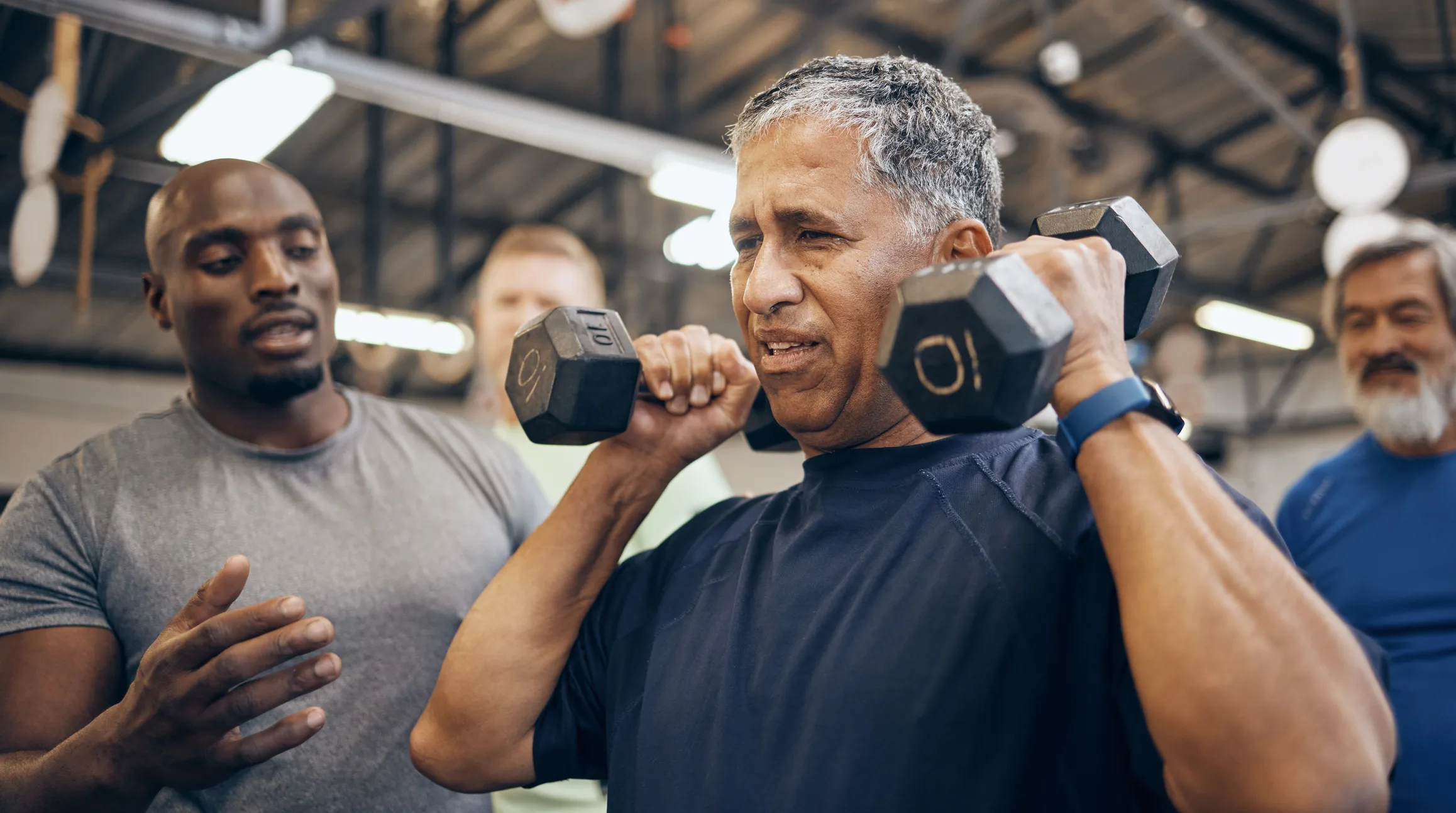
Truth: Movement is medicine for osteoporosis! Proper exercise strengthens bones, improves balance, and reduces the risk of falls, all key factors in preventing fractures. A well-rounded workout plan should include:
- Aerobic exercises like walking to improve cardiovascular health.
- Strength training using weights or resistance bands to build muscle and support bone density.
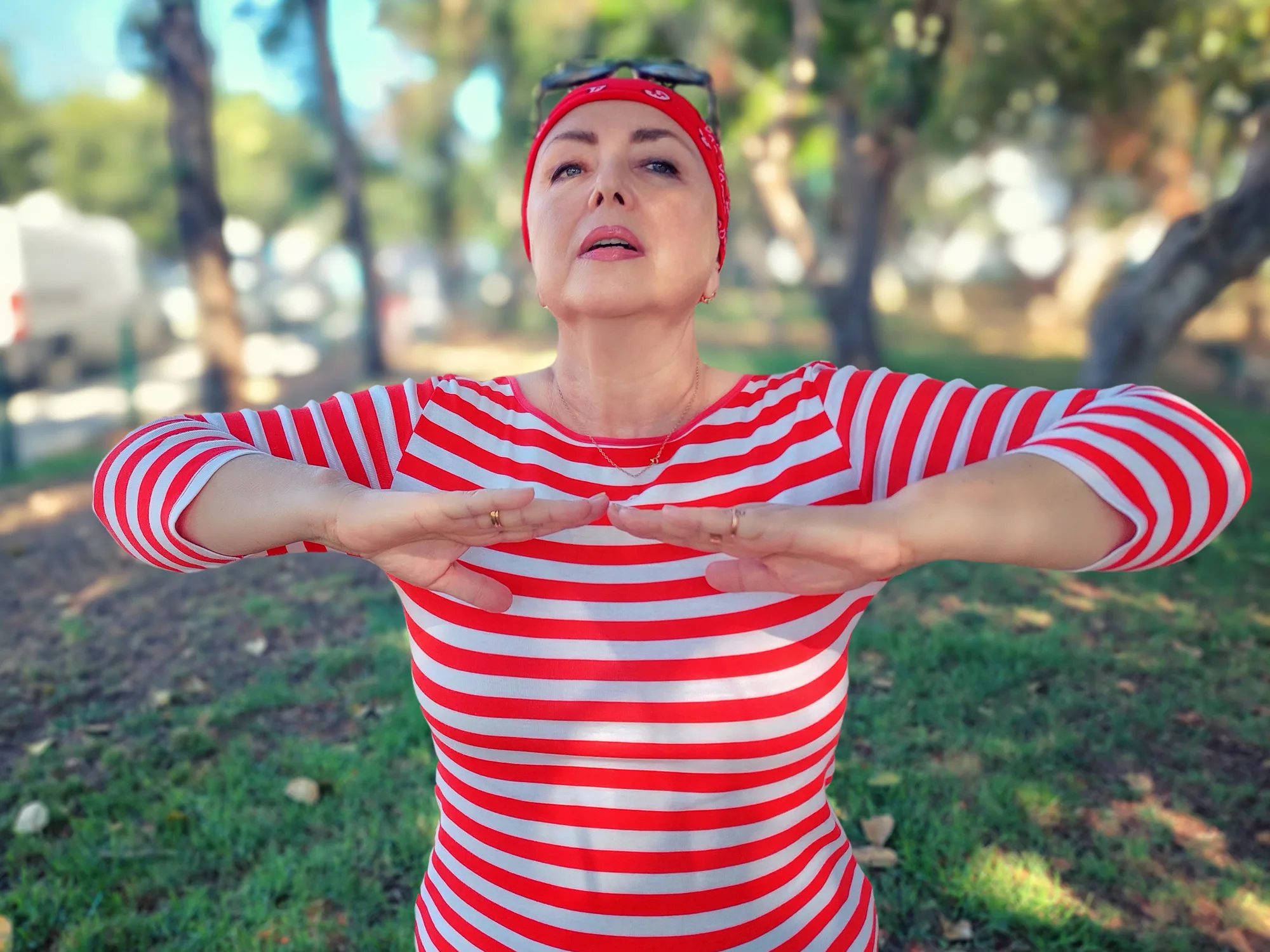
- Balance exercises to enhance stability and prevent falls.
By staying active, you not only protect your bones but also improve posture and overall fitness, helping you feel more confident in daily life.
Myth 3: “Only High-Impact Activities Help Bone Health”
Truth: While high-impact activities like running or jumping can boost bone density, they’re not the only option, and they’re not always suitable for everyone with osteoporosis. Resistance training, balance exercises, and functional movements (like squats or stair climbing) are excellent alternatives that strengthen bones without unnecessary risk. A physiotherapist can tailor an exercise plan that’s both safe and effective for your specific needs.
Myth 4: “The Only Risk with Osteoporosis Is Bone Fractures”
Truth: Fractures are a significant concern, but they’re not the only impact of osteoporosis. Fear of movement or pain from previous fractures often leads seniors to withdraw from physical and social activities. This inactivity can have far-reaching effects on health, including:
- Reduced cardiovascular fitness (raising the risk of heart disease or stroke).
- Weight gain, which may contribute to Type 2 diabetes or other chronic conditions.
- Mental health challenges like anxiety or depression due to pain and isolation.
Staying active isn’t just about preventing fractures, it’s about preserving overall well-being and enjoying life to its fullest.
Myth 5: “Physiotherapy Is Only for People with Fractures”
Truth: Physiotherapy isn’t just for recovery. It’s also a powerful tool for prevention and long-term management of osteoporosis. Physiotherapists are experts in safe movement and exercise prescription tailored to your needs. Whether it’s improving balance, building strength, or enhancing mobility, working with a physiotherapist can help you stay active while minimizing risks. With the right guidance, you’ll feel more confident tackling daily activities, and even trying new ones!
Why Movement Matters for Osteoporosis
Osteoporosis doesn’t mean giving up on the activities you love, it means finding ways to move smarter and safer. Regular exercise helps keep your bones strong, your muscles supportive, and your balance steady, all of which reduce the likelihood of falls and fractures.
If you’ve been diagnosed with osteoporosis (or think you might be at risk), don’t let fear hold you back from staying active! Speak with your doctor about getting a bone density test and consider consulting a physiotherapist to create an exercise plan tailored to your needs.
Takeaway
Osteoporosis doesn’t have to define your life. It’s simply one part of your health journey that you can manage with knowledge and action. By staying informed about your condition and embracing movement as medicine, you can remain strong, active, and independent for years to come.
So lace up those sneakers, grab some resistance bands, or schedule that physiotherapy session, it’s time to take charge of your bone health! Stay strong, stay active, and keep moving forward!