How many of you are sleep deprived? You trudge through the week on far less sleep than the required 8 hrs/day desperately looking forward to the weekend when you can finally catch up on lost sleep.
Well there are certain groups of people, a small group for sure, who naturally require only 4 – 6 hours of sleep a day to be fully rested.
“Wow, how luck are they” you think.
Well, what if it were possible to take drug, that would provide you with that same naturally ability of requiring less sleep. Would you take it?
The Research
A few years ago, a team of researchers led by Dr. Ying-Hui Fu and Dr. Louis Ptáček at the University of California, San Francisco identified a family that included three successive generations of natural short sleepers. When they dug deeper, the discovered a rare gene mutation that was being passed between various family members. What they discovered was family members who inherited one copy of this mutant gene had a shortened sleep cycle.
The gene in question is called ADRB1. ADRB1 is a gene that encodes the beta-1 adrenergic receptor. These receptors are part of the body’s stress response system and are involved in various physiological functions, including increasing heart rate and blood pressure. They are found on many cells in the body and respond to hormones, including those known to regulate the sleep/wake cycle. However, a rare mutant form of the gene promotes natural short sleep because it helps build brains that are easier to rouse and that stay awake longer.
There must be downsides to sleeping less, no?
Though they sleep less, natural short sleepers don’t suffer any of the adverse health effects associated with sleep deprivation. “Today, most people are chronically sleep deprived. If you need eight to nine hours, but only sleep seven, you’re sleep deprived,” Fu said. “This has well-known, long-term health consequences. You’re more likely to suffer from cardiovascular disease, cancer, dementia, metabolic problems and a weakened immune system.”
But natural short sleepers actually seem to benefit from this quirk of their biology. The researchers found that short sleepers tend to be more optimistic, more energetic and better multitaskers. They also have a higher pain threshold, don’t suffer from jet lag and some researchers believe they may even live longer. The exact reasons for these benefits remain unknown.
So what’s the next logical step?
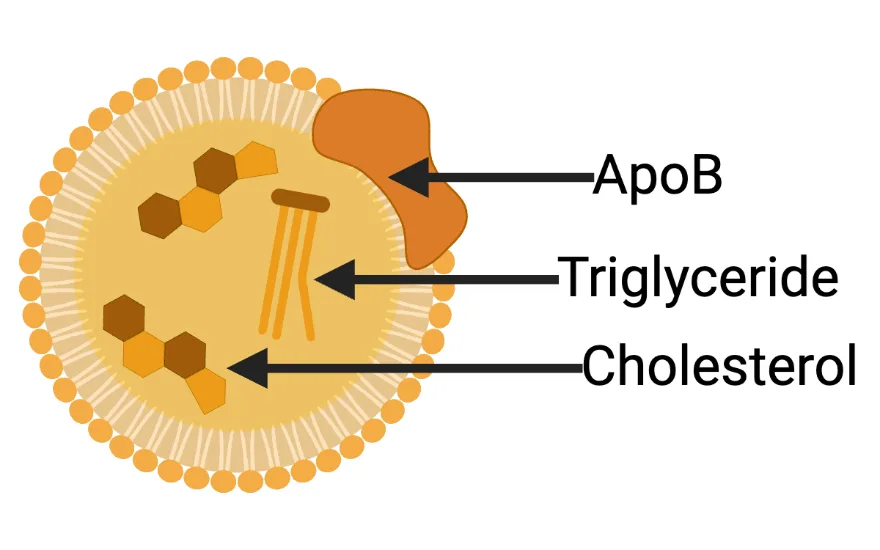
Gene therapy is a treatment that uses genes to prevent, treat, or cure diseases and disorders. Several drugs have been created whose purpose is to manipulate genes to implement a desired physical effect. Example include AAV (Adeno-associated virus), which is used in Luxturna to treat a form of inherited vision loss and Lipid Nanoparticles which is used in some mRNA vaccines (like those for COVID-19) and in some gene therapies for cancer.
Well what if you could create a drug that could manipulate the mutant form of the ADRB1 gene?
Ozempic for Sleep
Think Ozempic for sleep. A drug that would cause your body to naturally and safely only require 4 – 6 hrs of sleep a night. Think of how much more … well, life you could accomplish with an extra 2 to 4 hrs a day!
Is anyone working on such a drug? Not that we aware, no. But we’d be surprised if some drug company didn’t have some top secret lab somewhere doing just that😉.
Source:
A Rare Mutation of β1-Adrenergic Receptor Affects Sleep/Wake Behaviors
After 10-Year Search, Scientists Find Second ‘Short Sleep’ Gene