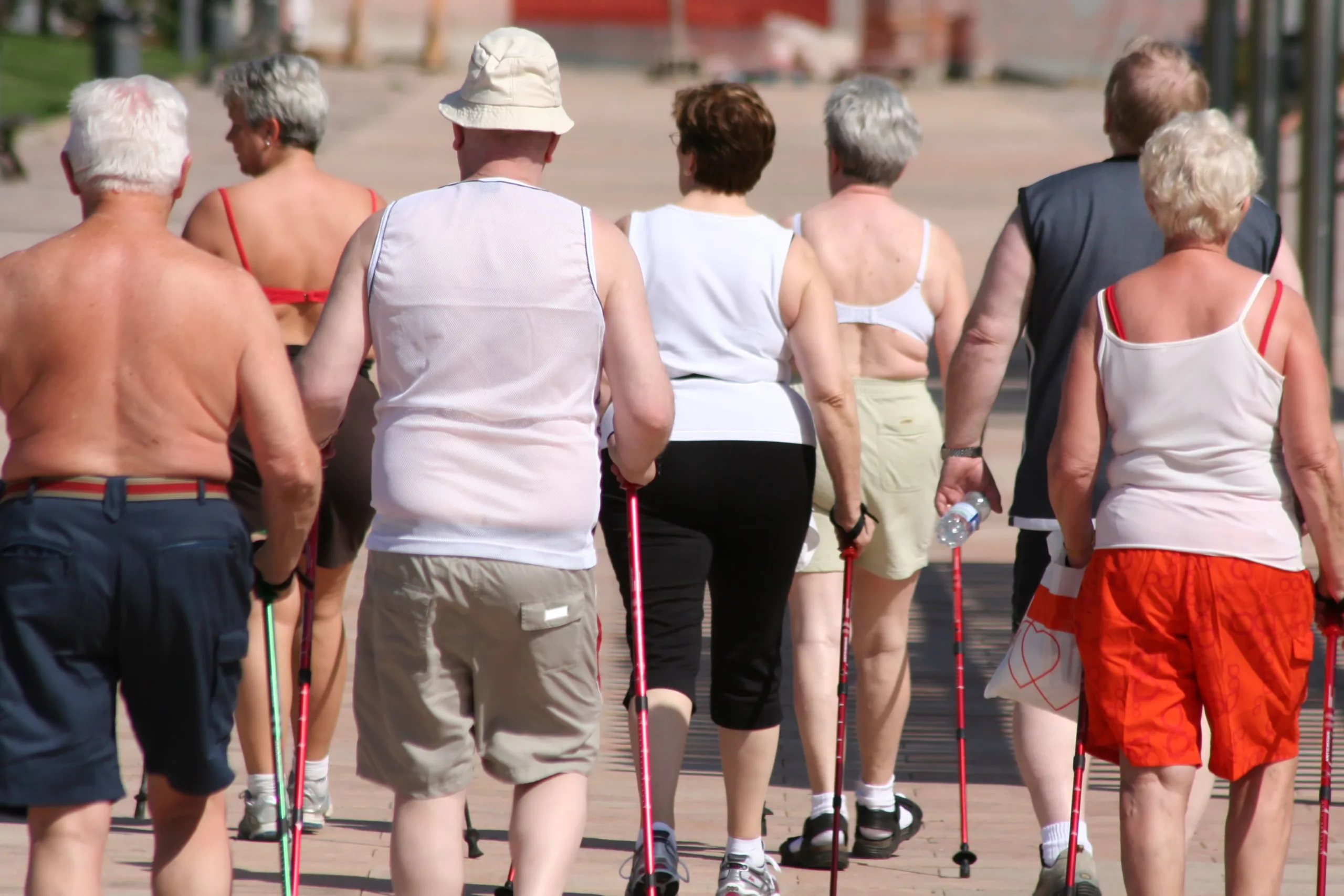
Imagine if your doctor could tell you not just your age in years, but how quickly your body is truly “wearing out.” It sounds like something from the future, but scientists at Columbia University have made a major leap forward in doing just that. They’ve developed a smarter way to measure your “Pace of Aging” – essentially, how fast your body is aging on the inside. This isn’t just a fascinating idea; it’s a powerful new tool that could help predict your risk for serious health issues like chronic diseases, memory problems, physical limitations, and even how long you’ll live.
Beyond the Calendar: Your Body’s True Age
For a long time, figuring out how quickly people were aging was tricky. It was hard to tell if someone’s health issues were due to things that happened early in their life (like childhood nutrition) or if it was simply their body getting older. This new method changes that. It’s like having a more accurate “speedometer” for your aging process, letting us see how quickly your body is changing right now.
Dr. Daniel Belsky, one of the lead researchers, explains that our old tools couldn’t separate these different influences on health. This new approach, published in the journal Nature Aging, gives us a clearer picture.
A Powerful Tool for a Healthier Future
So, what does this mean for you, especially if you’re 50 or older? A lot! This “Pace of Aging” measurement (otherwise know as DunedinPACE) isn’t just for scientists in a lab. It’s designed to help real people and guide important decisions about public health.
Think of it this way: if we can measure how fast someone is aging, we can start to understand why some people age faster or slower than others. This information can then help doctors, public health experts, and even government leaders create better programs and advice. For example, it could help them understand how lifestyle choices, community support, or even specific health policies actually affect how quickly people age. The goal is to develop better ways to help everyone live longer, healthier lives.
How They Figured It Out: Real-World Data
The Columbia team didn’t just guess at this. They looked at a huge amount of information from thousands of people in two major ongoing health studies: the U.S. Health and Retirement Study and the English Longitudinal Study of Aging. These studies follow adults aged 50 and up for many years, collecting detailed health information.
To measure the “Pace of Aging,” they used a simple set of tests and measurements, such as blood tests (looking at things like inflammation and kidney function), blood pressure, waist size, lung capacity, balance, grip strength, and even how fast someone walks. By tracking these factors over time, they could see how quickly an individual’s body was showing signs of aging.
What It Means for You: Preventing Problems Before They Start
The findings were quite clear: this “Pace of Aging” measurement consistently predicted future health problems. People who were aging faster were much more likely to develop chronic diseases, experience disability, and even pass away sooner, even if they were the same calendar age as someone aging slower.
This is huge! It means we might be able to identify those who are aging faster before they get sick. Imagine being able to have a conversation with your doctor about your biological aging speed, and then taking proactive steps to slow it down. This could lead to personalized advice on diet, exercise, stress management, and even targeted medical interventions to help keep you healthier for longer.
The study even revealed that people with less education tended to show signs of faster aging. This highlights how this new tool can help us pinpoint groups who might need more support to age well.
Takeaway
This research offers hope for a future where aging isn’t just about the years passing by, but about understanding and influencing the actual health and vitality of our bodies, especially as we enter our 50s and beyond. It’s about empowering us to take control of our aging journey.
Source:
New Pace of Aging Measurement Reveals Trajectories of Healthspan and Lifespan in Older People