You’ve heard the buzz about probiotics—the “good bugs” in your gut. But what feeds these tiny tenants? Enter prebiotics: the specific type of fiber that serves as premium fuel for your internal microbial residents.
For those of us over 50, paying attention to our gut health isn’t just about avoiding discomfort; it’s about protecting vital functions that decline with age, from immunity to bone density. Think of your gut microbiome as a delicate garden—probiotics are the seeds, and prebiotics are the rich, essential fertilizer.
So What Exactly Are Prebiotics?
Prebiotics are indigestible fibers found in foods like fruits, vegetables, and whole grains that act as a food source for beneficial gut bacteria. They work by traveling to the colon, where they are fermented by gut microbes to produce beneficial byproducts like short-chain fatty acids, which support gut health and can improve immune function. Unlike probiotics, which are the beneficial live bacteria themselves, prebiotics are the non-digestible compounds that help those bacteria thrive.
Why Prebiotics Become Essential After 50
As we age, the diversity of our gut bacteria often decreases due to factors like diet changes, medication use, and natural processes. This decline can weaken everything from your immune response to your ability to absorb nutrients. Prebiotics help counteract this by selectively feeding the beneficial bacteria already present, helping them grow and thrive. If your gut is a well-oiled machine, prebiotics are the maintenance crew, keeping the engine humming so you can finally retire that old anti-acid prescription.
The benefits of boosting your prebiotics are wide-reaching:
- Immune System Support: The gut is home to a major part of your immune system. By maintaining a strong, balanced gut flora, prebiotics help your body defend against pathogens, which is critical as immune function naturally wanes with age.
- Aide in Nutrient Absorption: Gastrointestinal function slows down as we get older, affecting the efficient absorption of key nutrients like calcium and iron. Prebiotics enhance the bioavailability of these minerals, which is especially important for preventing osteoporosis and fatigue.
- Bone Health Boost: Emerging evidence suggests a direct gut-bone axis. When good bacteria ferment prebiotics, they produce Short-Chain Fatty Acids (SCFAs). These SCFAs activate receptors that can inhibit bone breakdown and potentially stimulate bone formation, offering a non-pharmaceutical approach to maintaining bone mineral density.
Probiotics vs. Prebiotics: A Simple Distinction
It’s easy to confuse the two, but they have distinct roles:
| Category | What It Is | Role in Your Body | Common Sources |
| Probiotics | Live, beneficial microorganisms (bacteria, yeast). | They are the workers you add to the ecosystem. | Yogurt (with live cultures), Kefir, Sauerkraut, Kimchi. |
| Prebiotics | Non-digestible fibers/carbohydrates (food for the bacteria). | They are the fuel that feeds and empowers the workers. | Garlic, Onions, Bananas, Oats, Asparagus. |
Food First: The Best Source of Prebiotics
The absolute best way to get prebiotics is through a varied, whole-food diet. The food matrix delivers a blend of fibers, vitamins, and other nutrients that supplements simply can’t match.
- The Kitchen Staples: Add flavor and fiber with foods like garlic, onions, and leeks. They are high in inulin, a powerful prebiotic fiber.
- The Easy Fruits: Grab a slightly green banana. The resistant starch (a prebiotic) is higher before the banana fully ripens.
- The Versatile Veggies: Asparagus, Jerusalem artichokes, and chicory root are excellent sources.
- The Morning Ritual: Oatmeal, barley, and other whole grains are fantastic, easy-to-digest sources of prebiotic fiber.
Prebiotic Supplements: Are They Worth It?
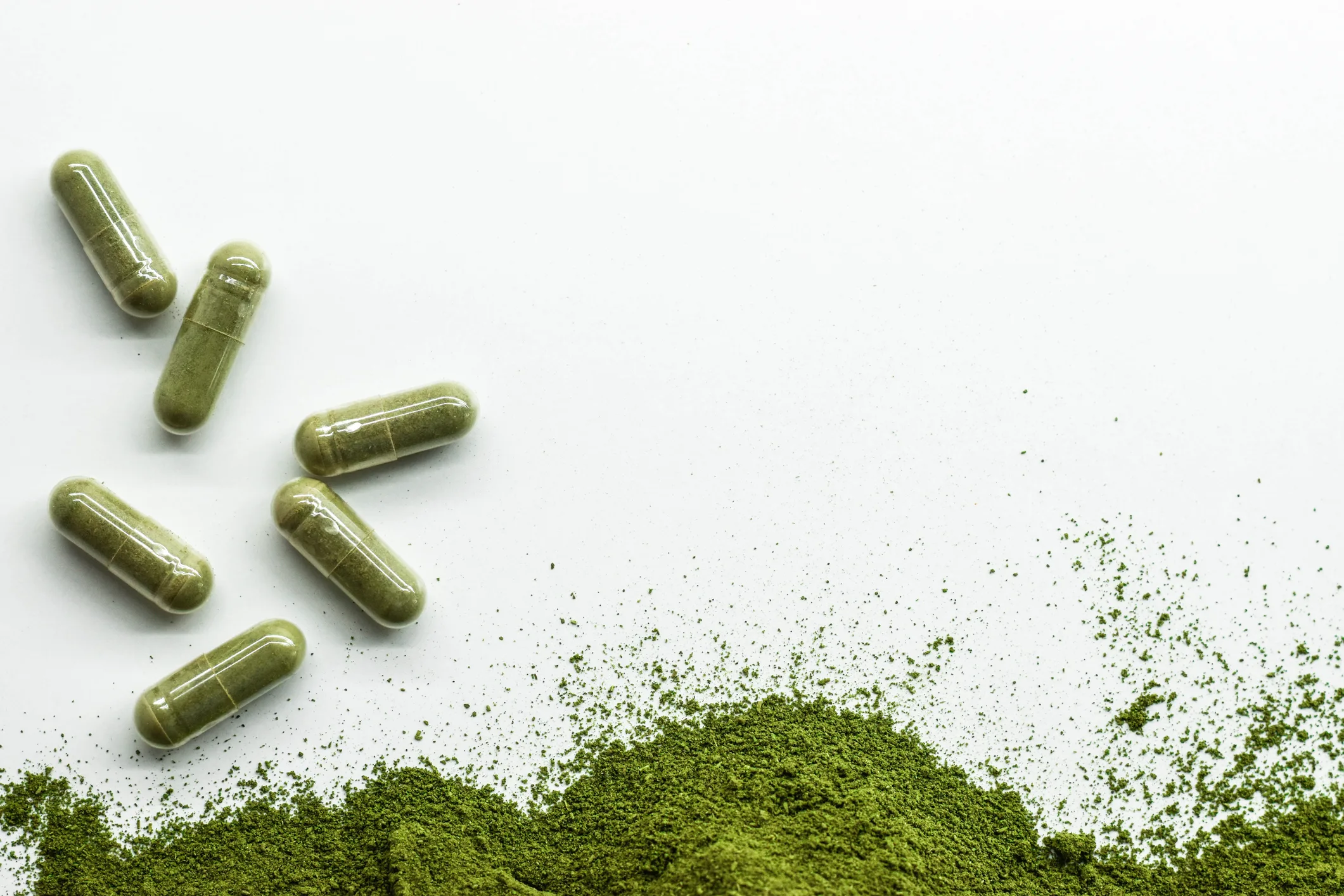
This is where the conversation gets a little nuanced. Many people in the 50+ age group turn to prebiotic supplements (often in the form of powders or capsules containing concentrated fibers like inulin, FOS, or GOS).
The Upside:
- Filling the Gaps: If you have dietary restrictions or simply don’t eat enough plant-based foods, a supplement can be a convenient way to reach a beneficial daily intake (often cited as 3 to 5 grams).
- Targeted Delivery: In specific clinical studies, certain supplemental fibers have been shown to target health goals, such as improving calcium absorption.
The Caveats:
- Bloating and Gas: Concentrated powders can cause more initial bloating and flatulence than whole foods, especially if you start with too high a dose. Always start low and increase slowly.
- Variety is Key: A single supplement often provides only one or two types of fiber. Your gut microbiome is diverse and thrives on a variety of fuel sources, which is easier to achieve through a broad diet.
- No Replacement for Diet: A supplement won’t override an unhealthy diet. They are designed to supplement a good diet, not substitute for it.
The Verdict: While food should always be the priority, if you struggle to meet your fiber goals, a supplement can be a beneficial addition. Look for products that are third-party tested (look for seals like NSF or USP) to ensure quality and accurate dosage. If you are taking medication, particularly for heart rhythm, thyroid, or diabetes, consult your doctor before starting any fiber supplement, as it can affect drug absorption.
Reminder: When increasing your intake of any fiber, go slowly and drink plenty of water. A sudden rush of prebiotics can lead to temporary gas and discomfort—a gentle start makes for a happy landing!