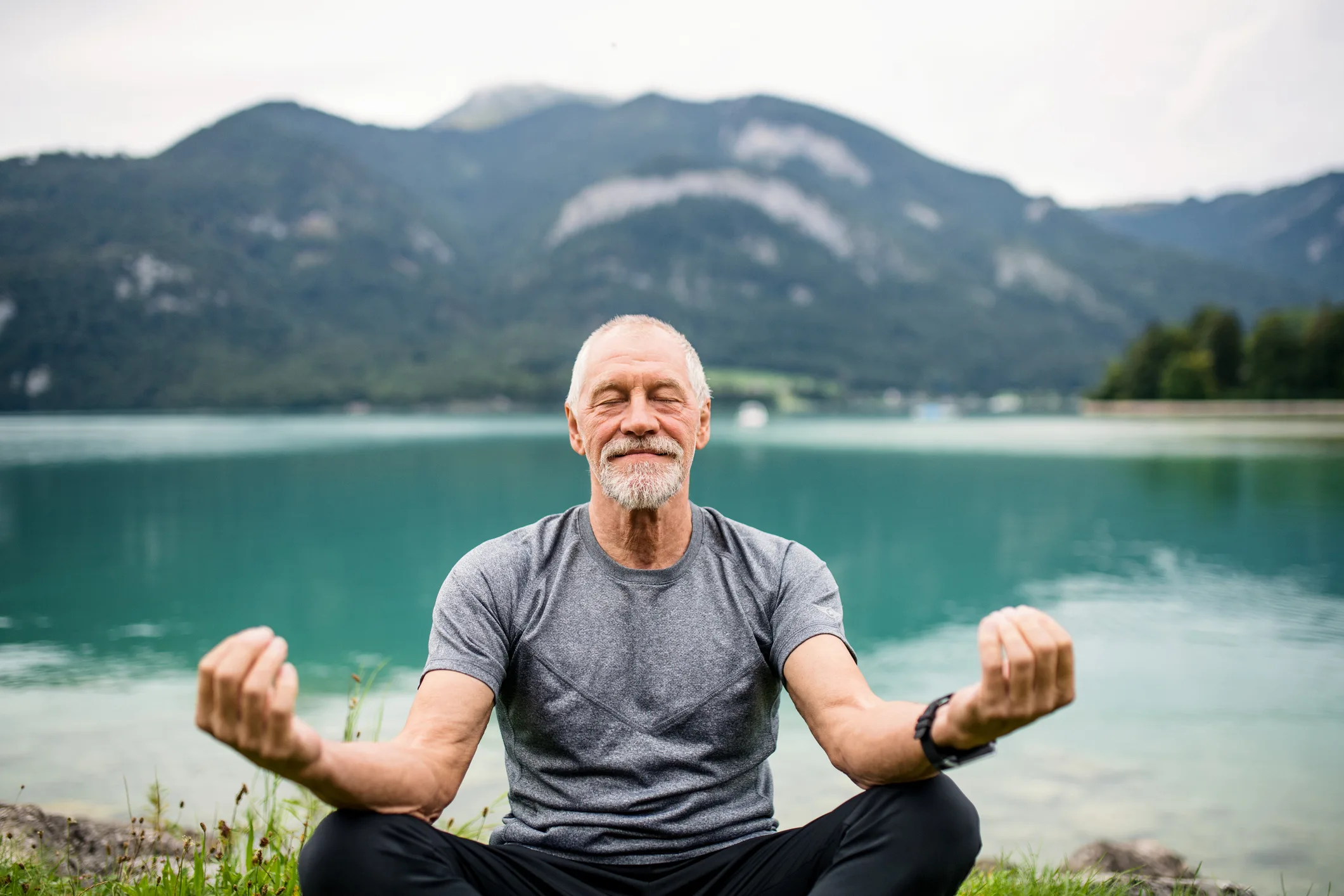
Once you cross the threshold of 60, society subtly starts suggesting that your main daily objectives should involve managing your medication schedules, monitoring the local weather forecast with intense scrutiny, and explaining to younger relatives how phones used to be attached to walls. However, modern medical science paints a drastically different—and far more demanding—picture of healthy aging. As it turns out, maintaining your physical body is only half the battle; how you engage your mind and your community determines not just how well you live, but how long.
The Biological Reality of Loneliness and Social Isolation
While “loneliness” is often discussed in emotional terms, epidemiological and clinical research classifies persistent social disconnection as a biological stressor with profound physiological consequences. Medical researchers differentiate between two distinct concepts:
- Social Isolation: An objective measure, characterized by a structural lack of regular social contacts, relationships, or community participation.
- Loneliness: A subjective psychological state defined by the painful perception that one’s social connections are insufficient or lacking in depth.
Physical Health Impact
Data compiled by the World Health Organization (WHO) and the U.S. Surgeon General’s Advisory on Social Connection demonstrate that chronic isolation carries health risks comparable to—and in some cases exceeding—established clinical risk factors:
- Cardiovascular Disease: Chronic loneliness is associated with a 29% increased risk of heart disease and a 32% increased risk of stroke.
- Systemic Inflammation: Prolonged isolation triggers a sustained fight-or-flight stress response, elevating circulating cortisol levels and upregulating pro-inflammatory cytokines such as interleukin-6 (IL-6) and C-reactive protein (CRP). Over time, this chronic low-grade inflammation accelerates vascular aging and tissue damage.
- Mortality Risk: Large-scale meta-analyses indicate that social isolation increases the risk of premature death from all causes by approximately 26% to 30%, an impact equivalent to smoking 15 cigarettes per day.
Cognitive and Mental Health Effects
Social interaction provides complex cognitive stimulation that helps maintain synaptic density and cognitive reserve in later life.
- Dementia Risk: According to findings published in JAMA Neurology, persistent social isolation in older adults is associated with a 50% increased risk of developing dementia.
- Neuroendocrine Dysregulation: Unaddressed loneliness is strongly correlated with higher rates of major depressive disorder, sleep architecture disruption, and accelerated cognitive decline.
The Preventive Power of a “Sense of Purpose”
If loneliness acts as an accelerator of biological aging, a strong sense of purpose—defined as having directed life goals, a sense of meaning, and reasons for daily engagement—functions as a powerful biological buffer.
Key Clinical Findings
- The Health and Retirement Study (HRS): Longitudinal data tracking over 13,000 U.S. adults aged 50 and older revealed that individuals with the highest self-reported sense of purpose had a 15.2% 8-year mortality rate, compared to a 36.5% mortality rate among those with the lowest sense of purpose.
- Rush Memory and Aging Project: Research conducted by Rush University Medical Center demonstrated that older adults with a strong sense of purpose were 2.4 times less likely to develop Alzheimer’s disease than those with low purpose scores, even when post-mortem examinations revealed similar levels of physical brain pathology (plaques and tangles).
- Health Behaviors: Studies published via the National Institutes of Health (NIH) confirm that purposeful older adults are 24% less likely to become physically inactive, 33% less likely to develop chronic sleep problems, and significantly more likely to utilize preventive medical services such as screenings and vaccinations.
Evidence-Based Community Strategies for Building Connection and Purpose
Addressing isolation requires deliberate, structured strategies that foster meaningful contribution rather than passive participation. Medical and public health experts recommend several evidence-based pathways for adults 60 and older:
1. High-Impact Volunteering and Civic Engagement
Engaging in structured, altruistic activities provides both social structure and a defined societal role.
- Formal Volunteer Roles: Participating in community tutoring, food distribution, or local advisory boards provides scheduled routine and cognitive challenges.
- Biological Benefits: Regular volunteering (defined as 100+ hours per year) is associated with reduced physical disability, lower blood pressure, and higher self-rated health outcomes compared to non-volunteers.
2. Intergenerational Community Programs
Programs that bridge the gap between older adults and younger generations yield reciprocal health benefits.
- Mentoring youth, assisting in early childhood literacy programs, or participating in university mentorship initiatives combat the social segregation often experienced after retirement.
- Research shows intergenerational connection helps preserve executive function and problem-solving skills in older adults while reducing ageist stigma.
3. Structured Group Physical and Educational Activities
Combining physical movement or cognitive acquisition with group settings maximizes neuroprotective benefits.
- Group Exercise: Walking groups, water aerobics, or tai chi classes combine cardiovascular conditioning with organic peer interaction.
- Lifelong Learning: Enrolling in community college courses, lecture series, or skill-building workshops stimulates neuroplasticity while connecting individuals with shared intellectual interests.
4. Group-Based Psychological Interventions
For those experiencing severe loneliness, structured cognitive behavioral groups or peer support networks focused on emotional regulation and social skills building can help dismantle negative social cognition and rebuild confidence in establishing connections.
Actionable Steps to Take Today
If you are looking to strengthen your social network and cultivate purpose, start with targeted, manageable steps:
- Audit Your Daily Schedule: Identify times in your week that lack structure or social contact, and replace one isolated activity with a group equivalent (e.g., trading solitary treadmill walking for a community walking group).
- Identify Core Strengths: Reflect on skills acquired over your lifetime—whether project management, carpentry, teaching, or gardening—and research local organizations seeking those specific talents.
- Commit to Consistency: Social connection requires repetition. Prioritize activities that meet at fixed times weekly to build predictable social routines.
- Consult Community Resources: Local senior centers, public libraries, university extension offices, and civic organizations frequently maintain registries of civic programs and volunteer needs.
Takeaway
Staying healthy past 60 requires more than just sensible shoes, adequate fiber, and avoiding the temptation to give unsolicited driving advice to strangers. The data is unequivocally clear: cultivating intentional relationships and maintaining a clear reason to get out of bed in the morning are as crucial to your longevity as any prescription medication. So, sign up for that community project, mentor a local student, or join a weekly group—your heart, your brain, and your calendar will all be better for it.
Source:
Purpose, loneliness, and longevity: Evidence-based community guide