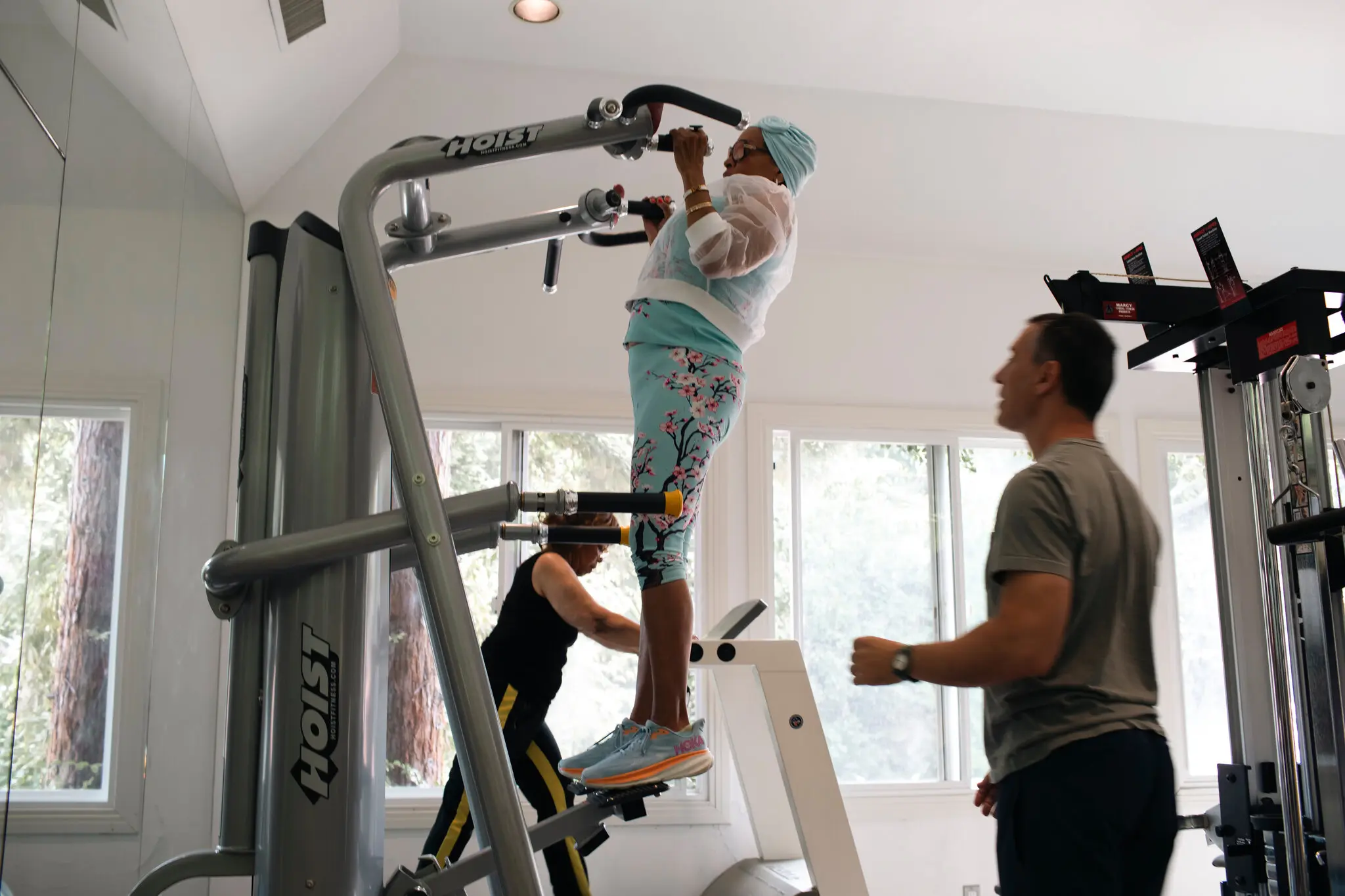
Have you ever caught yourself saying, “I’m getting too old for this,” right before deciding not to try a new technology, learn an instrument, or take up weightlifting? It is a convenient excuse—one that saves us from the occasional mild embarrassment of being a beginner. However, that quiet, nagging voice telling you that your best years are purely in the rearview mirror isn’t wisdom speaking. It’s internalized ageism—and it might actually be harming your physical and mental health.
Over a lifetime of subtle (and not-so-subtle) societal conditioning, many of us absorb the false narrative that getting older is an inevitable, downward slide into uselessness. But clinical research paints a remarkably different picture. Reclaiming your mindset isn’t just about feeling good; it’s a critical medical prescription for living a longer, healthier life.
What Is Internalized Ageism?
Internalized ageism occurs when older adults absorb societal biases, stereotypes, and prejudices about aging and apply them to themselves. From childhood, people are exposed to media depicting older adults as frail, forgetful, or technologically inept. Over decades, these cultural cues transform into self-fulfilling prophecies.
When you dismiss a memory slip as a “senior moment” or assume that joint pain, depression, or isolation are simply “normal parts of getting older,” you are operating under internalized ageism.
“Research has suggested that people who adhere to ageist stereotypes could have shorter lives… there is evidence that people who internalize ageist views are more likely to rate their mental and physical health as lower than people who avoid falling prey to these stereotypes.”
— Dr. Susan Whitbourne, Adjunct Professor of Gerontology, University of Massachusetts, Boston
The Physical and Psychological Toll
Believing negative stereotypes about aging is not benign self-deprecating humor; it exerts measurable biological and psychological stress on the body.
Key Health Impacts Associated with Internalized Ageism
- Reduced Longevity: Landmark epidemiological studies led by Dr. Becca Levy at the Yale School of Public Health demonstrate that individuals with positive self-perceptions of aging live an average of 7.5 years longer than those with negative aging mindsets.
- Increased Dementia and Cognitive Risk: A 2018 Yale study revealed that older adults with positive beliefs about aging—even those who carried the APOE ε4 gene variant, a major risk factor for Alzheimer’s—were nearly 50% less likely to develop dementia compared to peers with negative views. Furthermore, individuals with mild cognitive impairment were 30% more likely to recover full memory function if they maintained positive age beliefs.
- Higher Cardiovascular Stress and Inflammation: Internalized ageism activates chronic stress pathways. Research shows that individuals with negative views on aging display higher levels of C-reactive protein (a key biological marker of systemic inflammation) and face higher rates of cardiovascular events, including heart attacks and strokes.
- Delayed Healthcare Seeking: Believing that pain or functional decline is “just old age” often prevents adults from seeking medical intervention for treatable conditions, leading to underdiagnosis and avoidable chronic suffering.
Strategies to Reframe Your Mindset
Reversing a lifetime of cultural conditioning requires deliberate mental habits. You can actively dismantle internalized ageism using evidence-based cognitive strategies:
- Audit Your Language: Eliminate phrases like “senior moment” or “I’m too old for this” from your vocabulary. Attribute a forgotten key or word to normal distraction, stress, or fatigue—factors that affect humans at age 25 just as much as age 70.
- Separate Age from Medical Conditions: Age itself is a temporal measure, not a disease. If you experience fatigue, joint stiffness, or mood shifts, consult a healthcare provider rather than writing it off as an inevitable tax on your birth year.
- Challenge Stereotype Threat: When attempting something complex—such as navigating a new computer program or taking up a new sport—remind yourself that learning curves are universal. Difficulty is a natural part of neuroplasticity, not a sign of age-related failure.
- Curate Your Environment: Limit exposure to media or social interactions that promote anti-aging panic or treat growing older as a punchline. Seek out books, podcasts, and communities that showcase vibrant, capable adults in their later decades.
Reclaiming the Narrative
Growing older is a biological privilege that millions are denied. While society may continue to hawk anti-wrinkle creams and push the myth that life peaks at 35, you don’t have to buy the product—or the mindset. So, the next time you find yourself hesitating at the threshold of a new hobby or challenge, remember that your brain and body are listening to your self-talk. Give them something better to hear. After all, if you’re going to spend your seventies and eighties breaking expectations, you might as well start today.
Source:
Guilty of Ageism Toward Yourself? Why You Should Stop Saying “I’m Too Old”