Respiratory syncytial virus (RSV) is widely recognized as a common childhood illness, but it is increasingly becoming a significant health concern for older adults. Recent data highlights a rise in RSV infections among those over 50, often leading to more severe outcomes than the common cold. For adults in this age group, understanding the symptoms and the importance of preventive measures is essential for maintaining respiratory health.
As we age, the immune system’s ability to fight off viral infections naturally declines. For those managing chronic conditions like heart disease, asthma, or COPD, an RSV infection can exacerbate existing health issues and lead to serious complications.
Identifying RSV Symptoms in Adults
In many healthy adults, RSV presents with mild, cold-like symptoms. However, because these symptoms overlap with the flu or a standard cold, the virus is often overlooked until it becomes more advanced.
Common early symptoms include:
- Nasal Congestion: A persistent runny or stuffy nose.
- Coughing: A dry or productive cough that may linger for weeks.
- Sore Throat and Sneezing: General irritation in the upper respiratory tract.
- Low-Grade Fever: A mild increase in body temperature, often accompanied by chills.
- Fatigue: A general sense of tiredness or malaise.
Signs of a more severe infection: If the virus moves into the lower respiratory tract, it can lead to pneumonia or bronchitis. You should seek medical attention if you experience:
- Wheezing or a whistling sound while breathing.
- Shortness of breath or difficulty catching your breath.
- Rapid or shallow breathing.
- Chest pain or significant tightness.
Why the 50+ Demographic is at Higher Risk
According to the CDC, RSV causes between 110,000 and 180,000 hospitalizations annually among adults aged 50 and older in the United States. The risk increases with age and the presence of underlying health factors. When the respiratory system is compromised by RSV, it can put additional strain on the heart and lungs, making it much harder for the body to recover without medical intervention.
Prevention and Vaccination
The most effective way to manage RSV is to prevent infection through proactive health measures and clinical protection.
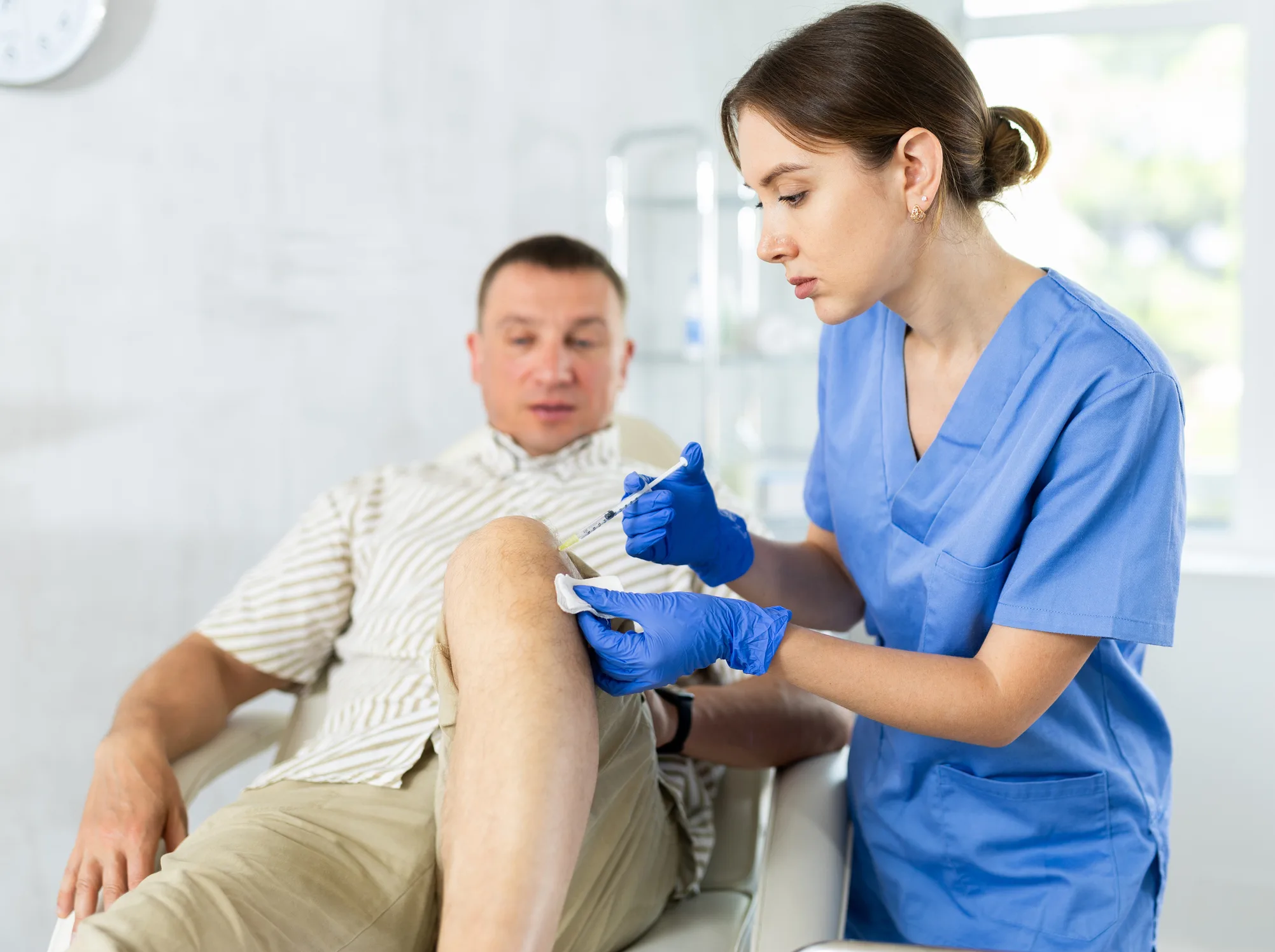
- Vaccination: The CDC currently recommends RSV vaccines for all adults aged 75 and older. Additionally, adults aged 50 to 74 who have chronic medical conditions—such as heart or lung disease or weakened immune systems—are strongly encouraged to receive the vaccine.
- Hand Hygiene: Frequent washing with soap and water for at least 20 seconds remains one of the best defenses against viral transmission.
- Surface Disinfection: Regularly clean high-touch areas such as door handles, smartphones, and countertops, as RSV can survive on hard surfaces for several hours.
- Avoid Close Contact: Limit exposure to individuals who are exhibiting symptoms of respiratory illness, including coughing or sneezing.
Managing an Infection
There is currently no specific antiviral medication for routine RSV cases in adults; treatment focuses on supportive care. This includes staying hydrated, getting plenty of rest, and using over-the-counter fever reducers or cough suppressants as recommended by a healthcare provider.
If you are over 50 and begin to show signs of a respiratory infection, monitor your symptoms closely. Early intervention is key to preventing a mild case from turning into a hospital stay.
Source:
RSV on the Rise in Adults: Spot Symptoms, Prevent Respiratory Infection, and Manage Cough & Fever