A big culprit for losing our physical abilities as we grow older is the age-related loss of muscle mass and strength, which is called Sarcopenia.
From the time you are born to around the time you turn 30 to 35, your muscles grow larger and stronger. After that, muscle power and performance decline slowly and linearly at first, and then faster after age 65 for women and 70 for men. If you lose so much strength and muscle mass that you struggle with basic daily activities, you may be diagnosed with age-related sarcopenia. After age 80, studies suggest somewhere between 11% and 50% of people have sarcopenia.
Age-related mobility limitations are a fact of life for many older adults. Studies have shown that about 30% of adults over age 70 have trouble with walking, getting up out of a chair, or climbing stairs. In addition to making everyday tasks difficult, mobility limitations are also linked to higher rates of falls, chronic disease, nursing home admission, and mortality.
Sarcopenia Symptoms
These are some of the most common symptoms of sarcopenia:
- Muscle weakness
- Loss of stamina, or staying power, when you are active
- Slow walking
- Trouble performing daily activities
- Trouble climbing stairs
- Loss of balance (you need a cane for assistance)
- Falling
- Noticeably shrinking muscles
How to Treat Sarcopenia
Strength or Resistance training is the best treatment for Sarcopenia.
Dennis T. Villareal, M.D., a professor at the Baylor College of Medicine in Houston, says “Resistance training is the most important component because it builds muscle and reduces the loss of muscle mass. As the relationship between body mass and muscle becomes more positive, (people) lose more fat than they lose muscle, so the relative sarcopenia is improved significantly.”
A typical strength training program might include working with free weights or weight machines and stretchy resistance bands. It also might include bodyweight exercises, such as push-ups, lunges, and leg raises. You should do a combination of exercises that work your arms, legs, abdominal muscles, back, and chest.
You might start with just one or two strength training sessions a week. The goal is to work up to higher weights and more repetitions as you get stronger.
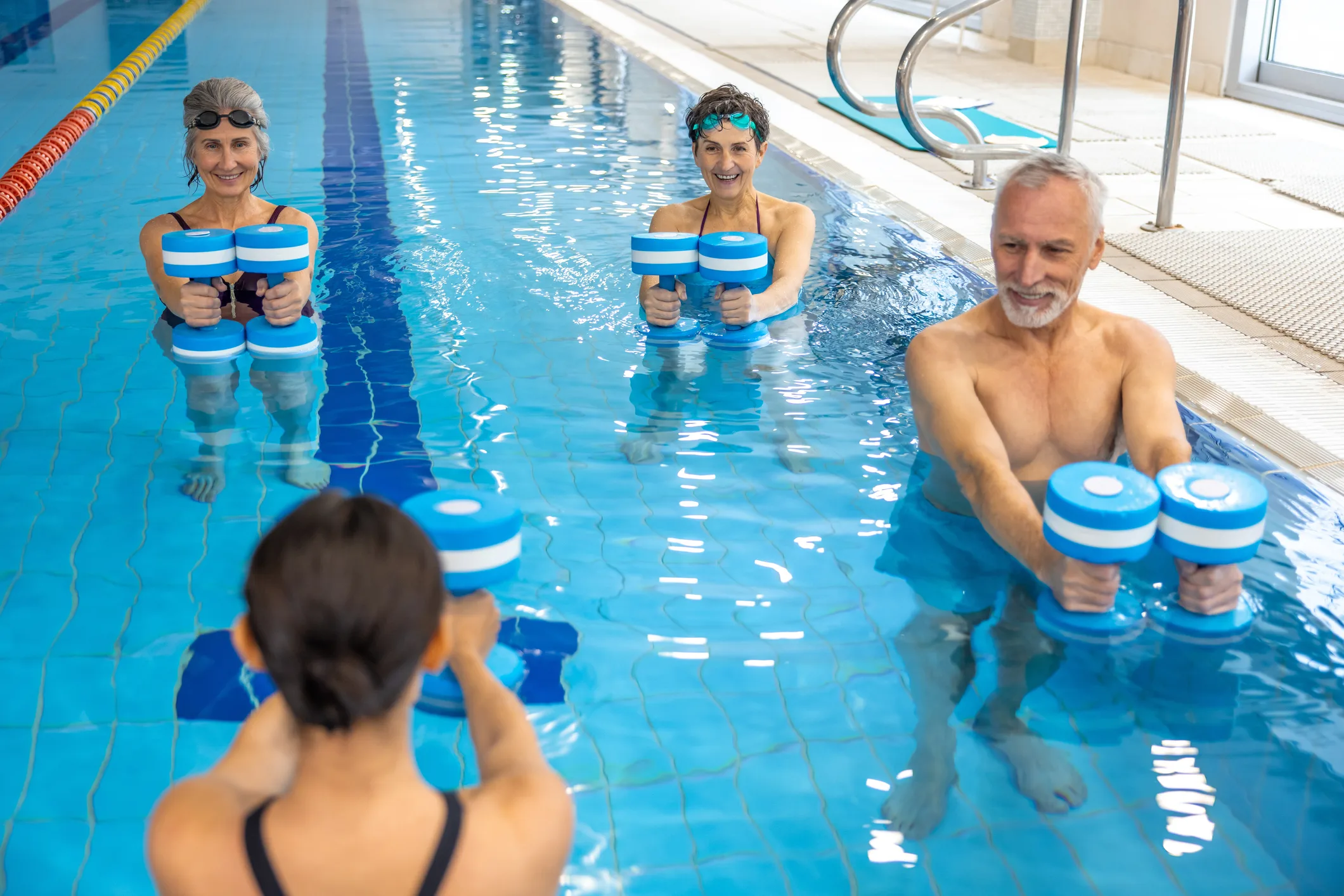
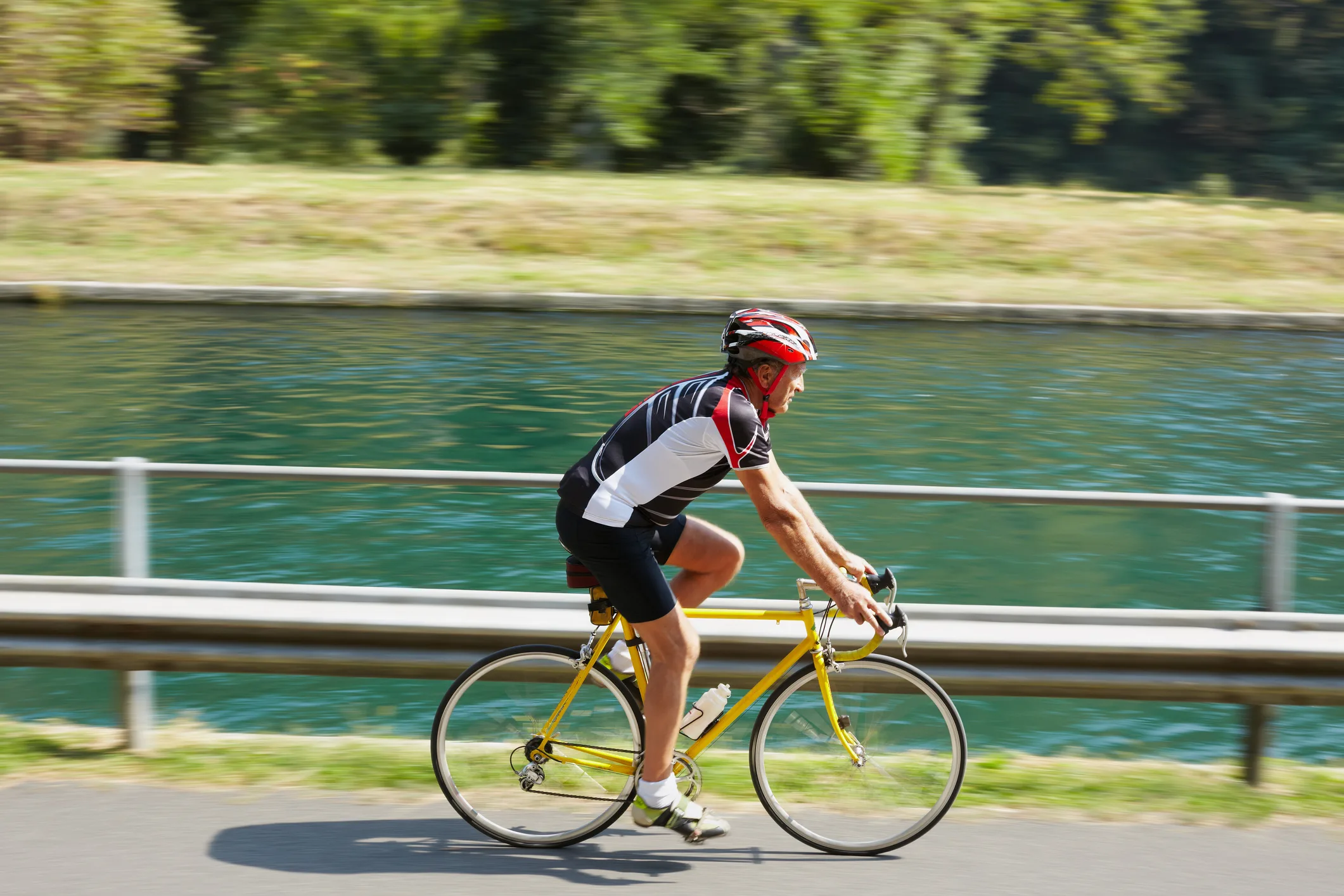
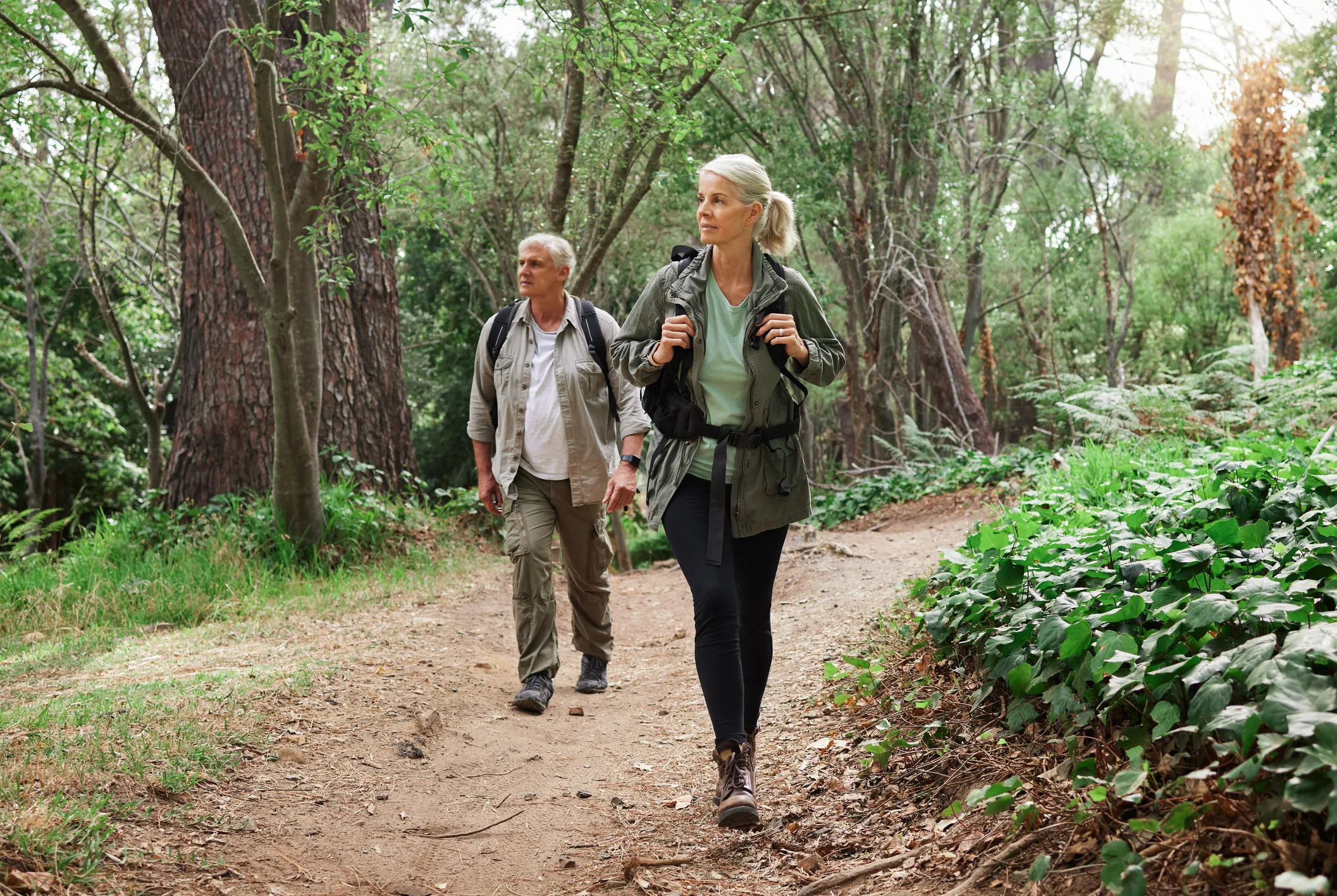
As you work on strength, it’s also a good idea to include aerobic exercise, such as walking, to build your endurance and improve overall health, and balance exercises, to reduce your risk of falling.
Don’t forget your diet
Many older adults with sarcopenia consume less protein and fewer calories than recommended. So adding calories, if needed, and adding foods with more nutrients, especially protein, may help. Experts around the world disagree on the right protein intake for older adults, but a common recommendation is to get 20-35 grams of protein at each meal. That’s about the amount in 4 ounces of meat or fish, a cup of cottage cheese, or 1.5 cups of lentils.
Sources: