It used to be that reaching 50 meant you were officially “over the hill,” a phrase that implies a gentle, scenic roll down the other side. In reality, it often feels more like a sudden realization that your back has developed its own grumpy personality and your waistline is attempting a hostile takeover of your belt. We’ve all been told to watch our weight, but recent science suggests that the number on the scale is only half the story. It turns out that what’s underneath the surface—specifically the relationship between our muscles and our “middle-aged spread”—might be the most important puzzle we solve this decade.
The Hidden Danger: Sarcopenic Obesity
Recent research highlights a specific physiological state known as sarcopenic obesity. This condition occurs when an individual experiences a simultaneous decrease in lean muscle mass (sarcopenia) and an increase in body fat, particularly abdominal fat. While many adults focus solely on weight loss, the data reveals that the combination of low muscle and high fat is significantly more hazardous than either condition alone.
Key findings from recent longitudinal studies include:
- Increased Mortality Risk: Individuals exhibiting both low muscle mass and abdominal obesity face a significantly higher risk of all-cause mortality compared to those with healthy body compositions.
- The “Protective” Power of Muscle: Interestingly, the research suggests that individuals with higher fat levels but adequate muscle mass do not show the same increased risk of death. This indicates that maintaining muscle can mitigate many of the metabolic risks typically associated with carrying extra weight.
- Inflammatory Cycles: Excess abdominal fat produces inflammatory cytokines that can accelerate the breakdown of muscle tissue. This creates a “vicious cycle” where fat gain directly contributes to further muscle loss, weakening the body’s metabolic engine.
Simple Screening Methods for Body Composition
Historically, diagnosing sarcopenic obesity required expensive imaging like MRIs or DXA scans. However, researchers have validated simpler, more accessible methods for identifying those at risk.
- Waist Circumference: For most adults, a waist measurement exceeding 102 cm (40 inches) for men or 88 cm (35 inches) for women serves as a primary indicator of abdominal obesity.
- Lean Mass Estimation: By using clinical variables such as age, sex, weight, and height, healthcare providers can now estimate lean mass with high accuracy without the need for specialized equipment.
Addressing the Ache: N-acetylcysteine (NAC) and Low Back Pain
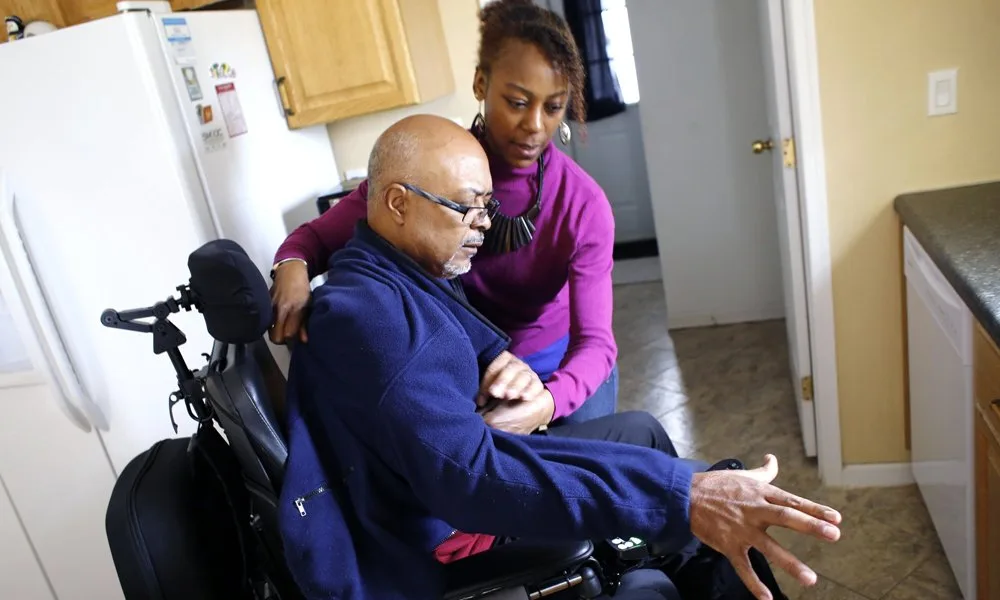
While maintaining muscle is vital for longevity, it is often hindered by the “Achilles’ heel” of the 50+ demographic: chronic low back pain (LBP). Low back pain is a leading cause of disability worldwide, often impairing physical activity and, consequently, muscle maintenance. A new clinical review has investigated a promising pharmacological ally: N-acetylcysteine (NAC).
NAC is a compound traditionally used for its antioxidant properties, but it is now being studied as an “adjunct therapy” for musculoskeletal pain, specifically low back pain (LBP). Its impact on musculoskeletal health seems promising:
- Molecular Mechanisms: NAC helps neutralize oxidative stress and reduces inflammation in the intervertebral discs and surrounding spinal tissues, potentially slowing the degenerative processes that cause chronic pain.
- Improving Mobility: By reducing the inflammatory load, NAC may help patients manage pain levels effectively enough to return to regular physical activity, which is the cornerstone of muscle preservation.
- Safety Profile: Because NAC is already clinically approved for various uses, it has a well-established safety profile and is relatively accessible, though its specific application for back pain is still an emerging field of study.
Medical Disclaimer: While current studies are promising, NAC is still considered an “emerging” treatment for back pain and should always be discussed with a doctor before use, especially since it can interact with blood thinners or blood pressure medications.
The Path Forward: Muscle Preservation and Recovery
To combat the risks of sarcopenic obesity and manage the physical limitations of back pain, a professional approach to fitness is required. This involves moving beyond simple “cardiovascular” activity and focusing on total body resilience.
- Resistance Training: Engaging in strength-building exercises at least twice a week helps preserve the lean mass necessary to support the skeletal system and boost basal metabolic rate.
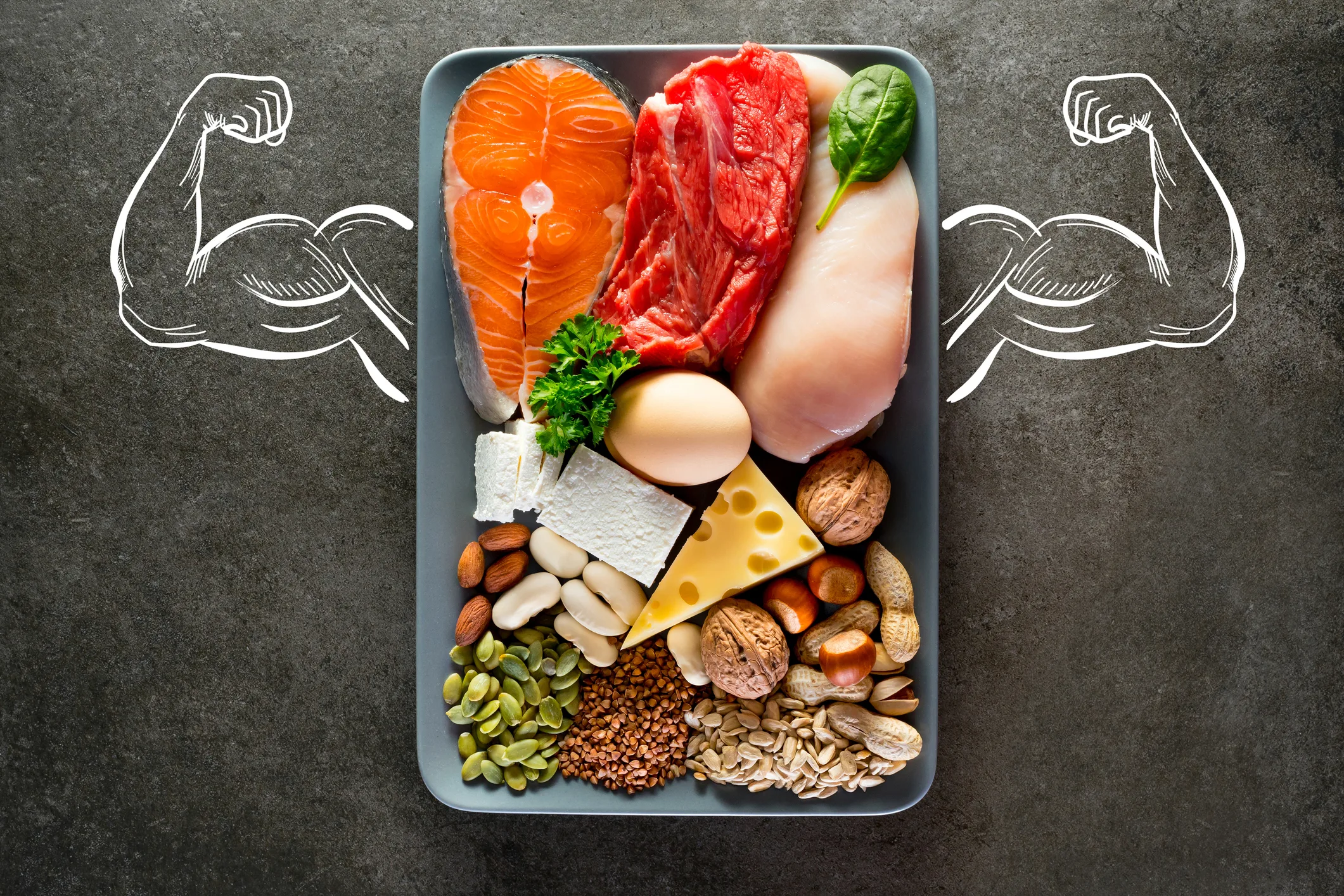
- Protein Intake: Ensuring adequate protein consumption is essential for muscle protein synthesis, especially as the body becomes less efficient at processing nutrients with age (a phenomenon known as anabolic resistance).
- Integrated Pain Management: Combining anti-inflammatory strategies (such as supervised supplement use or physical therapy) with movement is more effective than rest alone for chronic back issues.
Wrapping it Up
In short, it’s time to stop worrying so much about the “spare tire” and start focusing on the “engine” that moves it. We may not be able to trade our 50-year-old chassis in for a newer model, but with the right mix of muscle maintenance and emerging science, we can certainly keep the one we have running smoothly. Stay strong, stay informed.
Source:
This dangerous combo in your body could raise death risk by 83%