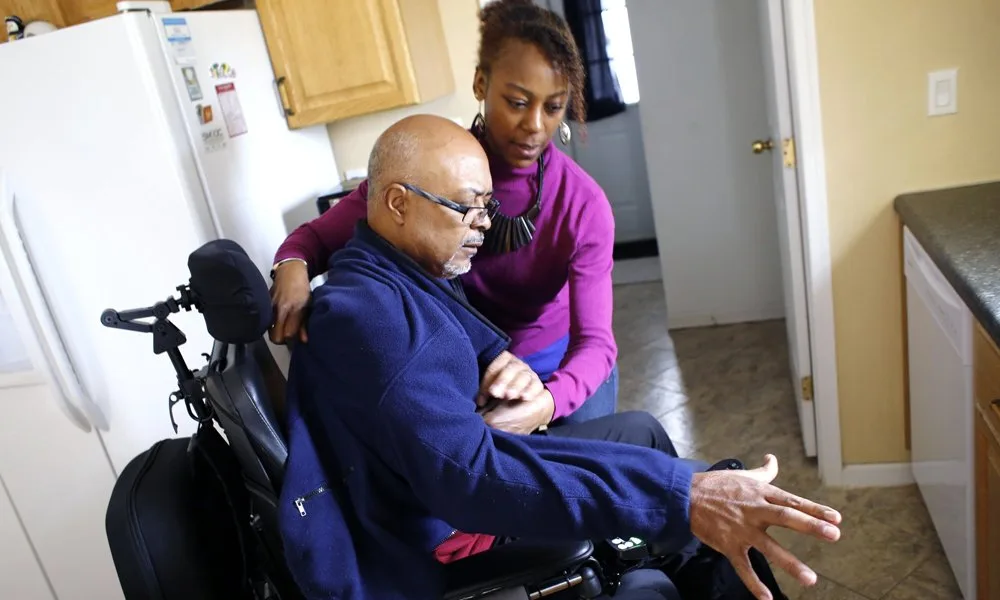
For many of us, the vision of our later years involves staying in the comfort and familiarity of our own homes and communities. Think comfy slippers, a favorite armchair, and maybe even a witty roommate or two (though hopefully less dramatic than the “Golden Girls”). It’s a desire rooted in independence, dignity, and connection to what we know and love. However, the reality for a growing number of older adults in the U.S. is falling a little short of this sitcom ideal.
Our current healthcare infrastructure is increasingly struggling to support individuals who wish to age in place. As the population ages – and let’s face it, we’re all heading in that direction, unless we discover the fountain of youth (spoiler alert: probably not) – the demand for home and community-based services (HCBS) is outpacing the available resources. This often leads to individuals being directed towards already crowded hospitals and long-term care facilities, not always because it’s the most appropriate setting, but because there aren’t enough alternatives. It’s less “cozy cottage” and more “hospital hallway hustle.”
The Overwhelming Preference: Staying Home
Groups like AARP have long advocated for a stronger emphasis on HCBS, recognizing it as a fundamental need, not just a desirable option. The overwhelming majority of older Americans prefer to remain at home as they age. After all, who wants to trade their own well-stocked fridge for institutional mystery meat? Yet, a fragmented and underfunded system often forces them into institutional care due to a lack of accessible and affordable support in their own communities.
More Than Just Preference: A System That’s Feeling Its Age
This isn’t just about personal preference; it’s a growing challenge with significant consequences. Overburdened hospitals and long-term care facilities face increased strain – imagine trying to fit one more person into an already packed elevator. And families often bear the brunt of caregiving responsibilities without adequate support, turning “quality time” into “round-the-clock responsibilities.”
A Patchwork of Care: Navigating a Maze of Red Tape
The current landscape of home care in the U.S. is a patchwork. Eligibility for services, the types of care covered, and the quality of that care can vary significantly from state to state. This lack of national standards and inconsistent funding creates inequities, where access to the support you need can depend on where you live and your financial situation. It’s like trying to follow a map where half the roads are missing, and the directions are in a different language. Many individuals and families struggle to afford the necessary services, while unpaid family caregivers often face burnout and significant personal sacrifices – sometimes sacrificing their own sanity in the process.
The Smart Investment: Benefits That Make Cents (and Sense)
Investing in robust home and community-based services isn’t just the compassionate approach; it’s also a smart one. Studies suggest that individuals receiving care at home often experience better health outcomes and a higher quality of life. Plus, let’s be honest, who recovers better then when surrounded by their own comfy pillows and demanding cat? Furthermore, it can be a more cost-effective alternative to institutional care, alleviating pressure on the broader healthcare system. Think of it as preventative maintenance for the whole system, saving money and headaches down the line.
The Call for Action: Let’s Make “Aging in Place” Less of a Wish and More of a Reality
The need for action is clear. Organizations and advocates are calling for increased investment in HCBS, better support for caregivers (maybe even hazard pay for dealing with particularly stubborn loved ones?), and the establishment of national standards to ensure equitable access to quality care across the country. Ensuring that aging in place is a reality for all who desire it requires a fundamental shift in how we prioritize and fund these essential services. The time to make this a priority is now, not just for ourselves (and our future need for someone to find the remote), but for the generations to come.
Source: