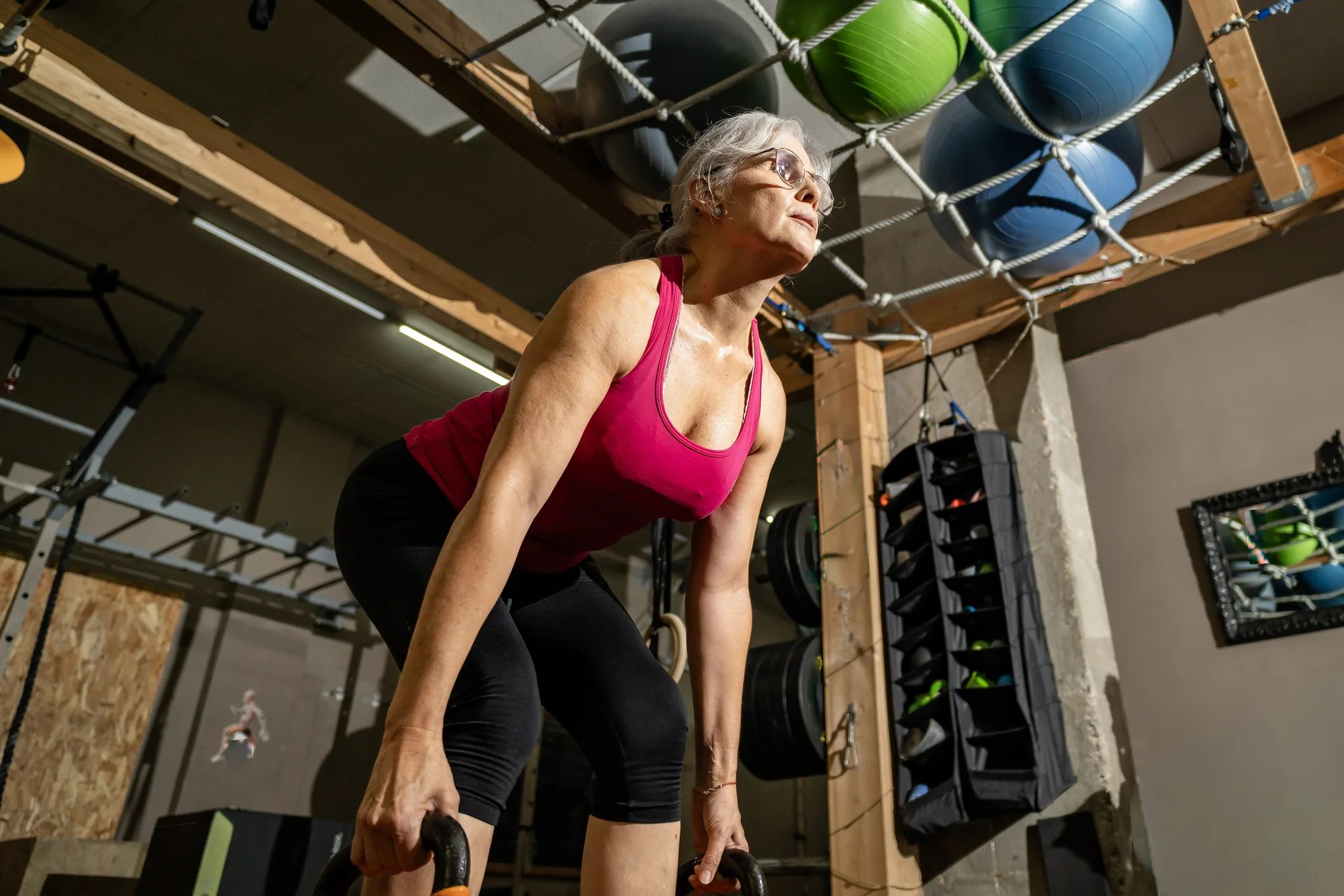
They say wisdom comes with age, but nobody mentions that it also comes with a sudden inability to carry a 10-pound bag of groceries without groaning like a rusty gate. If your daily exercise currently consists of aggressively reaching for the TV remote or fighting with an stubborn pickle jar, you are not alone. However, a growing brigade of sexagenarians and septuagenarians are deciding that getting older doesn’t mean getting weaker. Instead of retiring to the couch, seniors are heading to the weight room, lifting heavy, and proving that the fountain of youth might actually be a loaded barbell.
The Shift Toward Heavy Resistance Training in Older Adults
In recent years, fitness professionals have documented a significant uptick in adults aged 60 and older taking up formal strength training. Unlike traditional senior exercise programs that rely primarily on gentle pneumatic machines or light cardio, today’s older adults are engaging in free-weight resistance routines customized to their individual functional capacity.
Personal training facilities report substantial growth in this demographic. Gyms like Stoic Strength in Singapore’s Central Business District have recorded a 120% increase in clients in their 60s and 70s over a four-year period. Similarly, newer boutique facilities report that clients aged 50 and older now constitute over 40% of their total clientele.
This trend is largely driven by a shift in priorities: while younger populations often pursue weight training for aesthetic goals, older adults are focused on functional longevity, joint mobility, and maintaining physical independence.
“Many come to us because they realize that there is more to staying active than walking or doing cardio. They want to feel stronger and more capable in their daily lives, and are starting to see the value of working specifically on strength.”
— Khor Seong King, Senior Personal Trainer at Surge Strength & Results
Understanding Sarcopenia and the Science of Progressive Overload
As humans age, they experience a natural, progressive loss of skeletal muscle mass and function—a condition known medically as sarcopenia. Clinical research indicates that starting around age 30, individuals lose approximately 3% to 8% of their muscle mass per decade, with the rate of decline accelerating significantly after age 60.
Sarcopenia is a primary contributor to frailty, impaired balance, elevated fall risks, and reduced healthspan (the period of life spent in good health).
| Age-Related Muscle Decline (Sarcopenia) | |
|---|---|
| Age 30–50 | ~3% to 8% muscle loss per decade |
| Age 60+ | Accelerated loss of mass, density, and functional force |
While cardiovascular activities like walking or cycling support heart health, medical literature consistently shows that cardio alone is insufficient to prevent or reverse sarcopenia. Combating muscle atrophy requires progressive overload—gradually increasing the resistance or strain placed on the musculoskeletal system to stimulate muscle protein synthesis and neural adaptation.
Key Benefits of Heavy Strength Training for Seniors:
- Preservation of Lean Muscle Mass: Reverses age-related muscle loss and improves metabolic rate.
- Enhanced Bone Mineral Density: Weight-bearing loads place structural stress on bones, stimulating osteoblast activity and reducing the risk of osteoporosis and fractures (Journal of Bone and Mineral Research).
- Improved Functional Mobility: Heavy compound movements translate directly to daily movements, such as standing up from low seats, climbing stairs, and carrying heavy items.
- Injury Resilience & Recovery: Increased muscular strength stabilizes joints and accelerates post-operative rehabilitation, such as total joint replacements.
- Cognitive and Neuromuscular Health: Resistance training stimulates neuromuscular pathways and promotes executive function and brain-derived neurotrophic factor (BDNF) production.
Real-World Gains: From Struggles to Competition
The practical applications of heavy lifting are best seen in daily function. Consider the case of 72-year-old Alice Chia. Before starting structured strength training, she struggled with basic movements:
“I was breathless lifting a 5kg bag of rice.”
— Alice Chia, 72
After committing to targeted resistance training—including heavy farmer’s carries (carrying weighted implements over a distance) and static dead hangs—she regained the functional strength necessary to perform household chores without assistance and navigate daily tasks with ease.
Her husband, 73-year-old Philip Chia, experienced similar structural benefits following a total knee replacement surgery. By resuming targeted strength work post-surgery under professional guidance, he achieved a full squat range of motion that exceeded standard post-operative expectations.
For others, training extends into competitive domains. Lim Lean Ee, 71, entered her first competitive powerlifting event after 1.5 years of structured strength work. Meanwhile, James Lo (71) and his wife Ai Ling (68)—a cancer survivor who rebuilt 70% of her lower-body strength following chemotherapy—train together at home and participate in competitive functional fitness events like HYROX relays.
“Our bodies will age and may get sick, but our spirit must be renewed day by day.”
— Ai Ling (68), on rebuilding strength after cancer treatment
Clinical Precautions and Getting Started Safely
While heavy lifting offers profound health benefits, medical experts emphasize the importance of personalized progression and safety, particularly for individuals with pre-existing conditions or joint degeneration.
| Clinical Precautions and Getting Started Safely | |
|---|---|
|
STEP 1
Medical Clearance
|
Individuals with chronic conditions, cardiovascular history, or recent surgeries should consult a physician before initiating a high-resistance program. |
|
STEP 2
Movement Screening
(Physiotherapist or Certified Coach)
|
Working with a physical therapist or qualified trainer helps identify joint limitations, postural compensations, and range-of-motion constraints. |
|
STEP 3
Master Bodyweight Mechanics
(e.g., Chair Sit-to-Stands, Wall Pushups)
|
A common misconception is that older adults must only lift minimal weights. Focus on mastering bodyweight movement mechanics first before systematically increasing resistance. |
|
STEP 4
Progressive Resistance
(Introduce Dumbbells, Barbells, Kettlebells)
|
Calibrate resistance to safely challenge the individual. Prioritize certified guidance to ensure trainers possess specific credentials or experience in handling older populations and clinical adaptations. |
Takeaway
So, if you’ve been using your age as an ironclad excuse to avoid heavy lifting, it might be time to retire that line of thinking along with your old lawn furniture. You don’t need to sign up for a competitive powerlifting meet tomorrow—though as 71-year-old Lim Lean Ee proved, nobody is stopping you either. Whether your personal goal is lifting a 30-pound grandchild, carrying all the groceries in a single trip, or simply getting off the sofa without making noises like a deflating balloon, getting strong is the most practical prescription available. Talk to your doctor, find a coach who knows their stuff, and go lift something heavy. Your future self will thank you—and your knee joints might actually stop complaining.
Source:
Heavy lifting: More seniors take up strength training to stay active