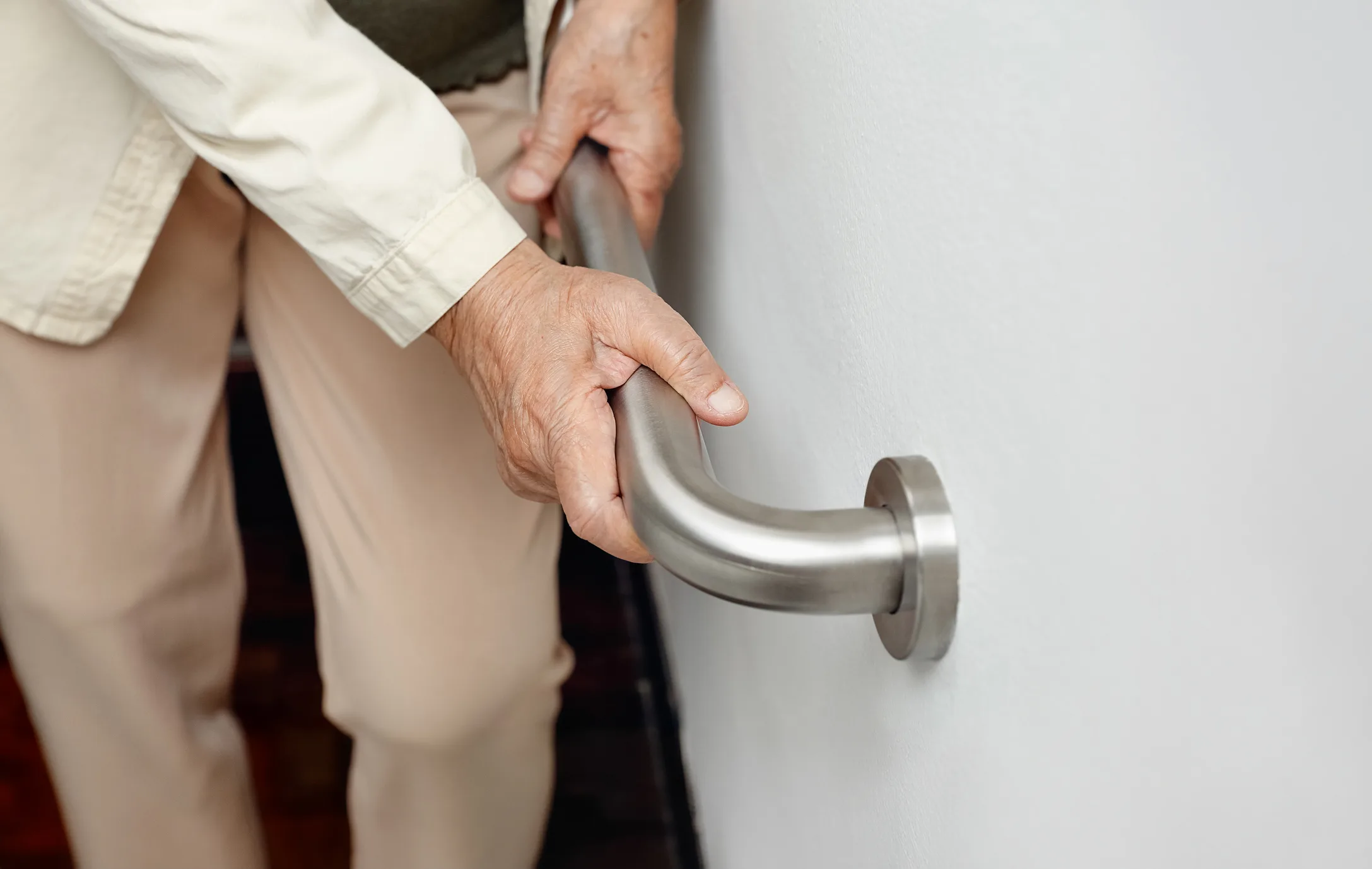
It’s no surprise that baby boomers represent the fastest growing demographic of the US population. However, changes associated with aging in conjunction with chronic diseases has a detrimental impact on functional capacity, health outcomes, and quality of life for this generation. This is why healthcare providers stress the importance of improving health, function, and quality of life in older adults to preserve independent living and psychological well-being.
So Why Don’t Clinicians Prescribe Exercise to Older Adults?
Only 32% of clinicians deliver exercise counseling or education to older adults. The reasons for this alarming statistic are many. Some examples include:
Lack of training: Many healthcare providers do not have adequate education or training in exercise counseling techniques, making them less confident in providing this service
Insufficient awareness: Some healthcare providers may not fully recognize the importance of exercise counseling for older adults or may underestimate its impact on health outcomes
Patient-related factors: Clinicians may perceive barriers in their patients, such as chronic health conditions, physical limitations, or lack of motivation, which could discourage them from providing exercise counseling
What is an Exercise Prescription?
An exercise prescription (ExRx) is a recommended physical activity program designed in a systematic and individualized manner in terms of the Frequency, Intensity, Time, Type, Volume, and Progression, known as the FITT-VP principle. The American College of Sports Medicine’s (ACSM) general ExRx recommendations for adults ≥ 65 years is:
- Perform Aerobic Exercise most days of the week (as opposed to 3-5 days/wk). This is because of the immediate and sustained blood pressure lowering effect of acute aerobic exercise.
- Exercise using Moderate Intensity as opposed to light intensity. If you can stand vigorous intensity all the better.
- Perform 30 to 60 mins/day of continuous or intermittent aerobic exercise.
Takeaway
Despite known barriers, older adults have the ability to adapt and respond to both aerobic and strength training, but only 32% of clinicians deliver exercise counseling or education to older adults. Given the known benefits, it’s important for clinicians to understand the multifaceted nature of exercise in older adults so that an effective exercise prescription can be designed that maximize benefit among the fastest growing segment of our population.
Source: