The dream of swapping a multi-story home for a single-level ranch or single-story property often arrives with a peaceful promise: no more hauling laundry baskets up the steps, no more negotiating landing curves, and zero risk of a dramatic descent down the staircase. However, trading away your home’s vertical challenges might come at a steep physical price. As it turns out, those daily flights of stairs you have been eyeing with mild resentment are actually functioning as a built-in, low-cost personal trainer.
Emerging research suggests that removing physical challenges like staircases from daily living may accelerate age-related physical decline, leading to a noticeable drop in muscle tone and cardiovascular resilience.
The Science of Vertical Movement
A major 2024 meta-analysis led by the University of East Anglia and published in the American Journal of Cardiovascular Drugs evaluated data from over 450,000 participants aged 35 to 84 across a 14-year period. The findings revealed that individuals who regularly climb stairs experience significant long-term health advantages compared to non-stair climbers:
- 39% lower risk of mortality from cardiovascular disease.
- 24% lower risk of all-cause mortality.
- Reduced incidence of major cardiac events, including heart attacks, strokes, and heart failure.
“People don’t appreciate that climbing stairs could be so beneficial—this study proves it is a useful fitness tool. The vast majority of the benefit of stair climbing is obtained at around six flights—equivalent to 60 steps—of stairs per day, but even one or two flights a day is by far better than nothing.”
— Prof. Vassilios Vassiliou, Clinical Professor of Cardiac Medicine, University of East Anglia
In addition, a three-year study published in BMC Geriatrics tracked nearly 7,000 adults aged 65 and older in Japan, comparing those living in single-level homes, elevator-accessed apartments, and multi-storey houses with stairs. The results indicated that older adults living in homes with stairs demonstrated the lowest rates of age-related physical decline.
Biomechanics: Beyond a Simple Cardio Workout
Climbing a staircase is classified as a vigorous-intensity physical activity because it rapidly elevates heart rate and forces the body to work against gravity. Physiotherapists and rheumatologists highlight several distinct physiological mechanisms engaged during stair negotiation:
- Concentric and Eccentric Muscle Activation: Lifting the body vertically requires intense contraction of the quadriceps, gluteals, and calf muscles. Descending requires eccentric muscle control, which actively builds joint stability.
- Single-Leg Dynamic Balance: Negotiating a step forces the body to temporarily balance entirely on one leg while shifting mass upward and forward, constantly retraining the central nervous system’s balance pathways.
- Joint Range of Motion: Stepping up forces the hips, knees, and ankles through deep flexion and extension, keeping connective tissues limber and helping preserve the mobility required to perform basic tasks like getting out of deep armchairs.
- Bone Density Preservation: The impact load of vertical movement helps stimulate osteoblasts, supporting bone mineral density and mitigating osteopenia or osteoporosis.
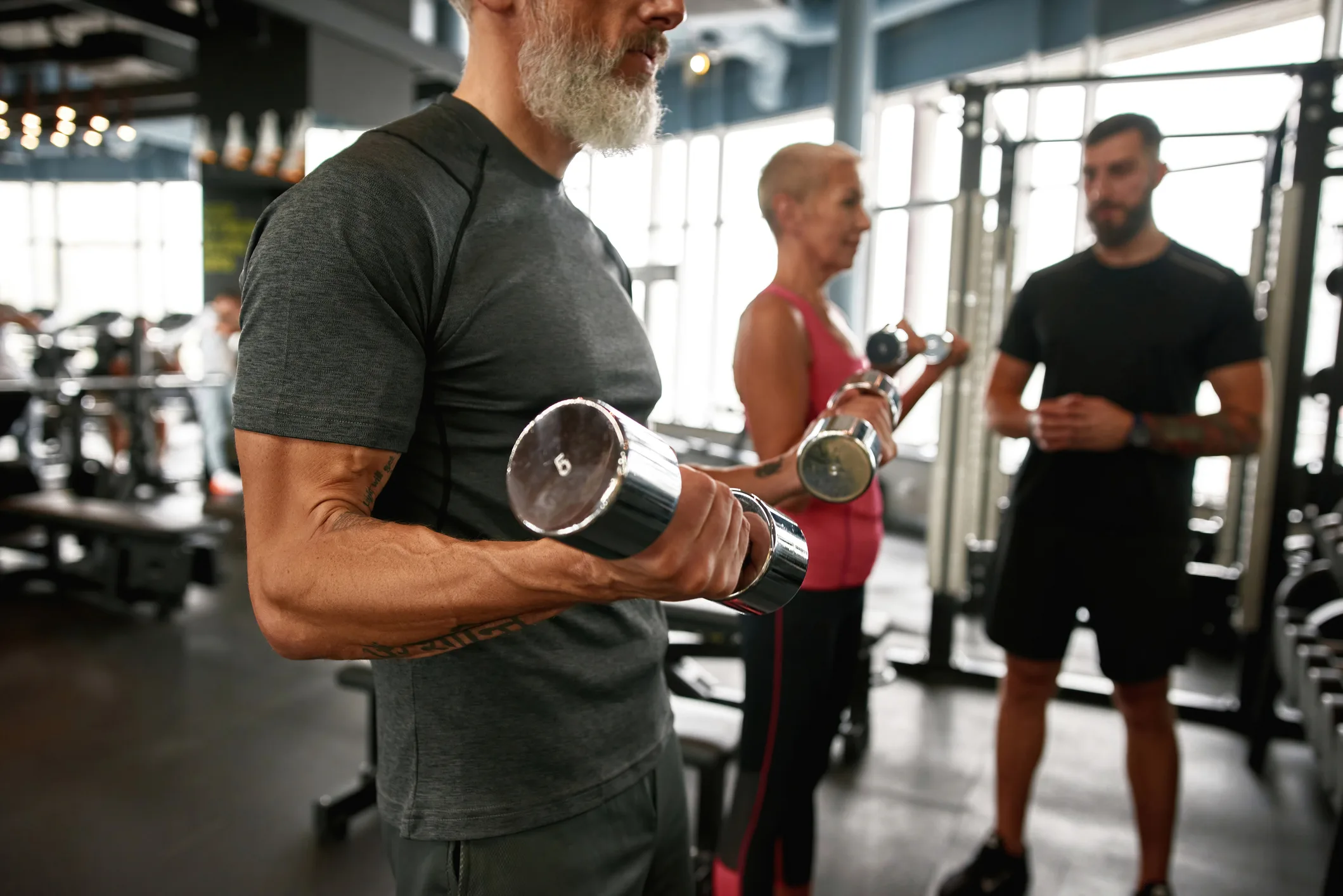
When individuals transition to single-level living, the sudden reduction in daily resistance training can lead to what clinicians term “single-story leg weakness”—the subtle, progressive atrophy of leg musculature due to decreased daily mechanical demand.
Preserving Functional Fitness in Single-Level Homes
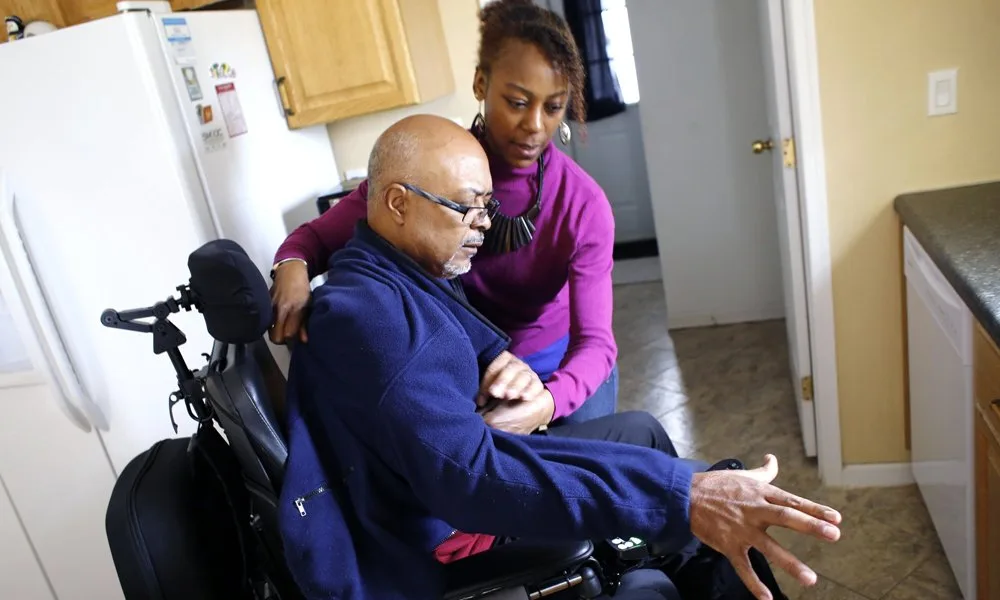
While stairs offer automatic exercise, single-story homes remain a practical necessity for individuals with severe mobility impairments, advanced joint degeneration, or chronic respiratory conditions. For those living in a ranch-style house or single-level apartment, physical decline is not inevitable, but exercise must be deliberately reintroduced into the daily routine.
- Chair Sit-to-Stands: Stand up fully from a sturdy dining chair without using your hands for momentum, then lower yourself back down slowly. Aim for 10 to 15 controlled repetitions twice daily to preserve quadriceps power.
- Aerobic Step-Ups: Utilize a low, non-slip aerobic step or a secure bottom step nearby to perform 2–5 minutes of controlled stepping up and down.
- Flat-Surface Gait Extension: Because single-level homes offer less overall floor space to traverse vertically, deliberate daily walks outside are essential to maintain average step counts.
Takeaway
Moving into a single-level home may eliminate a primary fall hazard, but it also removes one of the most effective, built-in functional exercise systems available in modern housing. If your knees and heart are still up to the task, continuing to take the stairs might just be the simplest strategy for staying mobile, strong, and independent well into your golden years. Think twice before surrendering the staircase—your heart and legs will thank you, even if your knees occasionally file a formal complaint.