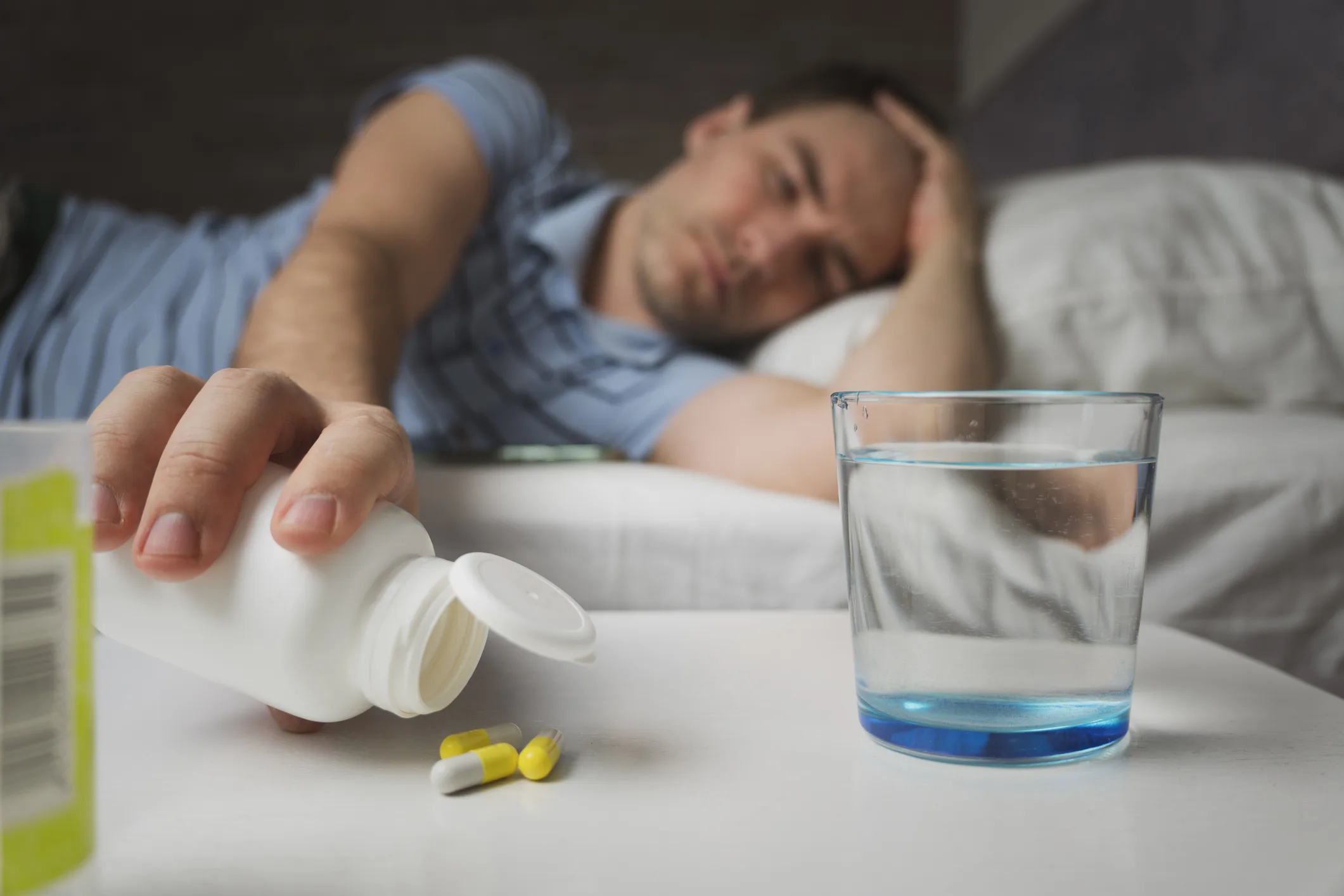
If you’re a woman, your sleep apnea symptoms and risks are likely very different from those of men, and that’s precisely why so many women are misdiagnosed or simply go undiagnosed for years. It’s time to shift the conversation away from the loud, classic snoring symptoms and focus on what sleep-disordered breathing actually looks and feels like for women.
📝 The Symptom and Diagnosis Gap
For decades, sleep apnea was primarily defined by male symptoms: loud, frequent snoring and dramatic, deep drops in oxygen during the night. A woman’s experience is often much more subtle and insidious, leading to a significant diagnosis gap.
Subtle Breathing Issues vs. Classic Snoring
- Male Presentation (Classic OSA): Men tend to have more pronounced pauses in breathing (apneas) and deeper oxygen drops, often leading to the loud, hallmark snoring.
- Female Presentation (Subtle SDB): In contrast, women often have less severe pauses but experience more frequent, short periods of reduced breathing (hypopneas with arousals). These subtle events fragment sleep without the person ever realizing it.
The Vague Symptoms of Chronic Fatigue
Women often don’t show the classic signs like loud snoring. Instead, they present a cluster of symptoms to their doctors that are easily mistaken for other conditions:
- Persistent Fatigue
- Cognitive Issues: Experiencing brain fog or difficulty concentrating.
- Emotional Changes: Increased mood changes, irritability, or anxiety.
- Insomnia: Difficulty falling or staying asleep.
Sound familiar? Many women, especially as they juggle life and work, blame these feelings on stress, aging, or daily chores—not their sleep.
The Diagnostic Trap
The technical criteria used in sleep studies can be a trap. Current diagnostic rules sometimes require a larger, more sustained drop in oxygen saturation to count an event. This system may fail to spot sleep-disordered breathing in women, especially since even brief, subtle pauses in breathing are linked to a higher mortality risk and increased cardiovascular risk. Women need testing that prioritizes the frequency of arousals rather than solely the depth of oxygen drops.
🕰️ The Menopause Factor: A Critical Connection
The time around menopause increases female vulnerability to sleep apnea, making this the most critical period for diagnosis.
Hormonal Shifts and Airway Stability
As women enter perimenopause and post-menopause, the protective effects of hormones like progesterone start to fade. Progesterone is a respiratory stimulant that helps keep the upper airway muscles toned and prevents complete airway collapse. Decreasing estrogen can also lead to reduced muscle tone, further increasing the risk of obstruction.
Masked Symptoms and Compounding Factors
Symptoms of menopause itself, such as night sweats and general disrupted sleep, can actually mimic or mask sleep apnea. A woman might attribute her poor sleep entirely to hot flashes, when in fact, the two conditions may be interacting, making it even harder for doctors to distinguish what is causing the sleep problem.
✨ What’s Next for Treatment? Moving Beyond CPAP
While CPAP is the gold standard for Obstructive Sleep Apnea (OSA), adherence rates are often lower for women. The good news is that the future looks promising for non-device and surgical treatments.
Novel Therapies and Devices
- The “Sleep Apnea Pill” (Investigational): This once-nightly pill is in late-stage trials and works by stimulating the muscles that keep the airway open. Researchers are optimistic this will especially help women with lower rates of CPAP adherence.
- Upper Airway Stimulation (UAS): This small, implanted device monitors breathing and delivers a gentle pulse to keep the airway open. Research suggests that women with low BMI may actually have better outcomes with this device.
- Mandibular Advancement Devices (MADs): For mild to moderate OSA, a custom-fitted MAD, which gently pushes the lower jaw forward, is often an effective and non-intrusive option.
🗣️ Take Control: The Key to the Sleep You Deserve
If you’re still feeling exhausted or foggy, it’s essential to be your own advocate. Don’t let your symptoms be dismissed as “just stress” or “part of getting older.”
Next Steps to Discuss With Your Doctor:
- Ask for a Sleep Study, even if you don’t snore loudly.
- Detail Your Symptoms, focusing on fatigue, mood, and brain function.
- Provide History, clearly articulating your menstrual cycle history and menopause status.
It might just be the key to unlocking the restful sleep and renewed energy you deserve.
Source: