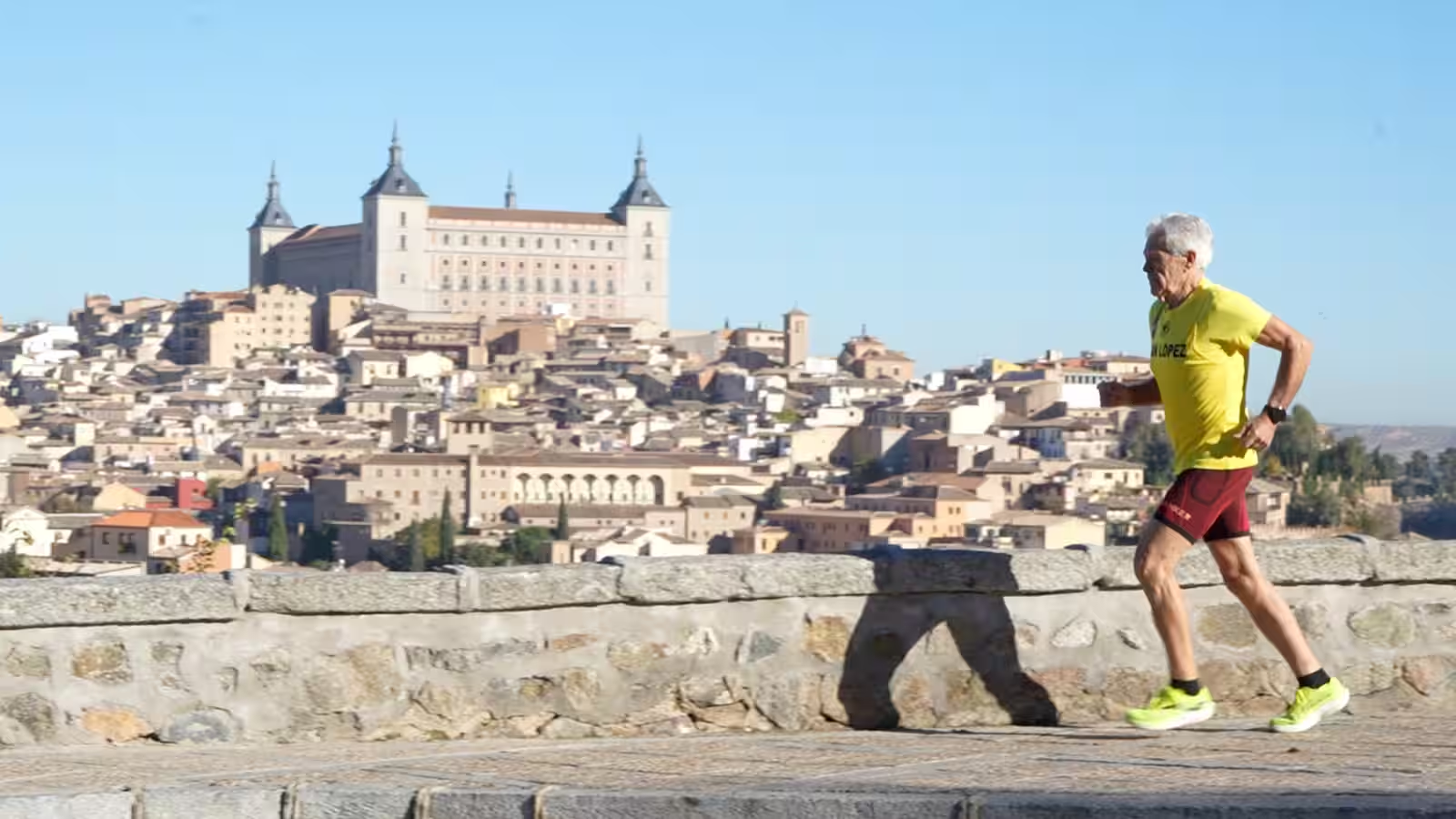
If you ever needed proof that turning 80 is no reason to put away your passport, look no further than Suzanne Lipsky. At 88, the retired architect from Jamaica Plain, Boston has taken 40 trips over the last decade—ranging from Cuba to Oman—with Morocco and a Danube river cruise next on her docket. While our joints might occasionally remind us of our actual mileage, the desire to explore the world doesn’t simply vanish with age. Fortunately, the travel industry is finally realizing that today’s older adults aren’t looking for a rocking chair on a porch; they’re looking for the next horizon—preferably with a comfortable mattress, a grab bar in the shower, and fewer 5:00 AM wake-up calls.
Redefining the Senior Itinerary
A new generation of older travelers—having grown up backpacking, hosteling, and navigating global transit—is changing how tour operators design trips. Rather than checking off crowded tourist traps like Paris or London for the third time, today’s travelers over 60 and 80 are seeking remote and culturally rich destinations like Patagonia, Japan, and the high-altitude region of Ladakh.
The core shift in modern travel planning isn’t doing less—it’s doing things better:
- Pacing over Speed: Longer stays in a single location reduce the constant burden of packing and unpacking.
- Acclimatization & Rest: Dedicated rest days and delayed morning starts give the body time to adjust to jet lag or higher altitudes.
- Flexibility: Swapping rigid group schedules for private guides allows travelers to set their own comfortable rhythm.
- Smart Adjustments: Utilizing e-bikes, trekking poles, or accessible boardwalks keeps physical outdoor adventures, like hiking or wildlife viewing, fully accessible.
How Industry Leaders Are Adapting
Major travel providers, tour operators, and destination services are shifting their offerings to support healthy, active aging on the road:
Slower-Paced Organized Tours
Educational travel organization Road Scholar has introduced slower-paced versions of its most popular itineraries specifically designed for travelers in their 80s. Instead of demanding climbs up historic stairs—such as ascending the Acropolis in Greece—programs emphasize rich cultural context through lectures, museum visits, and built-in free afternoons. Interestingly, these relaxed schedules are increasingly favored by younger retirees as well, who are equally eager to avoid burnout from hyper-condensed sightseeing.
Accessibility Enhancements Across Destinations
Country-specific tour companies are tailoring their services to mature visitors. In Japan—ranked as a top senior-friendly destination by the Firebird Tours Index—operators now offer lighter daily schedules with more personal time. Theme parks and cultural attractions worldwide are similarly expanding shade options, seating areas, and transit assistance to improve overall comfort for multi-generational families.
The Cruise and Customized Experience
River and ocean cruises remain highly popular, offering the comfort of single-destination unpacking combined with tailored excursions:
- Uniworld Boutique River Cruises: Provides varying activity levels for shore excursions, direct gangplank transport, and portable audio headsets for travelers with hearing loss.
- Holland America Line: Offers extended long-haul ocean voyages (such as 29-day Pacific crossings) equipped with accessible staterooms, live music, and active sports like pickleball.
- Tailored Concierge Services: Luxury operators like Wayfairer Travel, Revigorate, and Remote Lands customize high-end journeys to incorporate private transport, flexible stays, and modified outdoor excursions.
Health, Ergonomics, and Travel Logistics
From a physiological perspective, traveling as an older adult involves understanding how aging affects physical endurance, circadian rhythms, and joint mechanics:
- Circadian Rhythm & Jet Lag: Older adults often experience shifts in sleep architecture. Allowing 24 to 48 hours of low-activity transition time upon arrival helps restore cognitive focus and physical stamina.
- Joint and Muscle Support: Incorporating ergonomic tools like supportive footwear, compression footwear for long flights, and trekking poles significantly reduces impact stress on knees and hips during walks.
- Hydration and Altitude: High-altitude locations (such as Ladakh) require deliberate hydration and gradual elevation gains to avoid acute mountain sickness, to which older physiological systems can be more sensitive.
- In-Room Safety Features: Practical modifications—such as walk-in showers with grab bars and adequate room lighting—drastically lower the risk of slips and falls, promoting independence and confidence throughout the trip.
“The best plans do not keep reminding people of their age. They help reduce tiredness and dependence while keeping travel enjoyable and free.”
— Andrés Serra, Head of Operations at Optimise Travel
Ready to Pack Your Bags?
The global travel landscape is visibly changing, and for the better. Local communities and international guides are welcoming older adventurers with open arms, proving that curiosity has no expiration date. So go ahead and book that trip you’ve been eyeing. Just make sure to request a room with a decent shower handle, leave room in the schedule for a afternoon espresso, and take your time taking it all in—after all, you’ve earned every single step.
Source: