If you have spent decades lacing up running shoes at 6:00 AM, reaching your 60s can feel a bit like your knees have hired a joint union representative to hand you a formal cease-and-desist letter. You tell yourself it is just a temporary twinge, right up until your orthopedic specialist looks at your MRI, sighs gently, and suggests taking up “leisurely strolls” or water aerobics. Suddenly, you are not just managing physical discomfort—you are facing the sudden retirement of an activity that defined who you were.
The Psychological Toll of Physical Identity Loss
In a recent New York Times report exploring what happens when lifelong runners are forced to stop, health journalists highlighted a profound yet frequently overlooked phenomenon: non-death loss. For adults who have built their adult lives around high-impact endurance sports, being sidelined permanently triggers an authentic grieving process complete with denial, anger, and sadness.
When an activity serves as your primary coping mechanism, stress valve, and social circle, losing it destabilizes your daily rhythm. As one long-time athlete reflected on the transition:
“Most of us cobble together our idea of ‘who we are’ from a set of daily habits and activities. When one of those core activities goes away, you inevitably struggle with your sense of self and daily purpose.”
Another former runner noted the emotional weight of stepping away from the trail:
“There was undeniable grief in having to give up long-distance running… Leaving it behind can feel like losing a piece of your personal identity.”
When sports medicine professionals issue medical prohibitions against running due to osteoarthritis, spinal stenosis, or severe tendon degeneration, patients often experience an identity vacuum. The loss is twofold: you lose the physical release of the sport, and you lose membership in the athletic community that shared that experience with you.
The Biological Connection Between Movement, Cortisol, and Grief
Medical research from the National Institute on Aging (NIH) and neurobiological studies on exercise demonstrate that physical movement is deeply tied to emotional regulation, particularly in adults aged 60 and older. High-impact aerobic activity acts as a potent physiological regulator:
-
Neurochemical Release: Sustained exercise triggers the release of Brain-Derived Neurotrophic Factor (BDNF), a key protein that supports neuronal survival, neuroplasticity, and memory processing. BDNF acts as a buffer against anxiety and depressive symptoms.
-
Cortisol Management: Physical activity helps regulate systemic cortisol levels. During periods of emotional stress or major life transitions, unmanaged cortisol can lead to elevated blood pressure, sleep disturbances, and systemic inflammation—issues that disproportionately affect older adults.
-
Cognitive Function: Regular physical exertion counteracts the cognitive fog often brought on by acute stress or grief, maintaining blood flow to the hippocampus and prefrontal cortex.
When an individual is suddenly forced to cease their primary physical outlet, BDNF levels can drop, while baseline cortisol remains elevated. This physiological shift compounds the emotional distress of identity loss, leaving older adults feeling fatigued, anxious, and sleep-deprived.
Evidence-Based Strategies for Navigating the Transition
Transitioning away from high-impact sports does not require surrendering your health or your athletic spirit. Medical and psychological experts recommend several structured strategies to process the loss while protecting long-term mobility:
-
Acknowledge and Validate the Loss: Recognize that grieving a lifestyle change is legitimate. Psychologists specializing in grief care emphasize that mourning a physical capability is a natural reaction to a major life shift, not an overreaction.
-
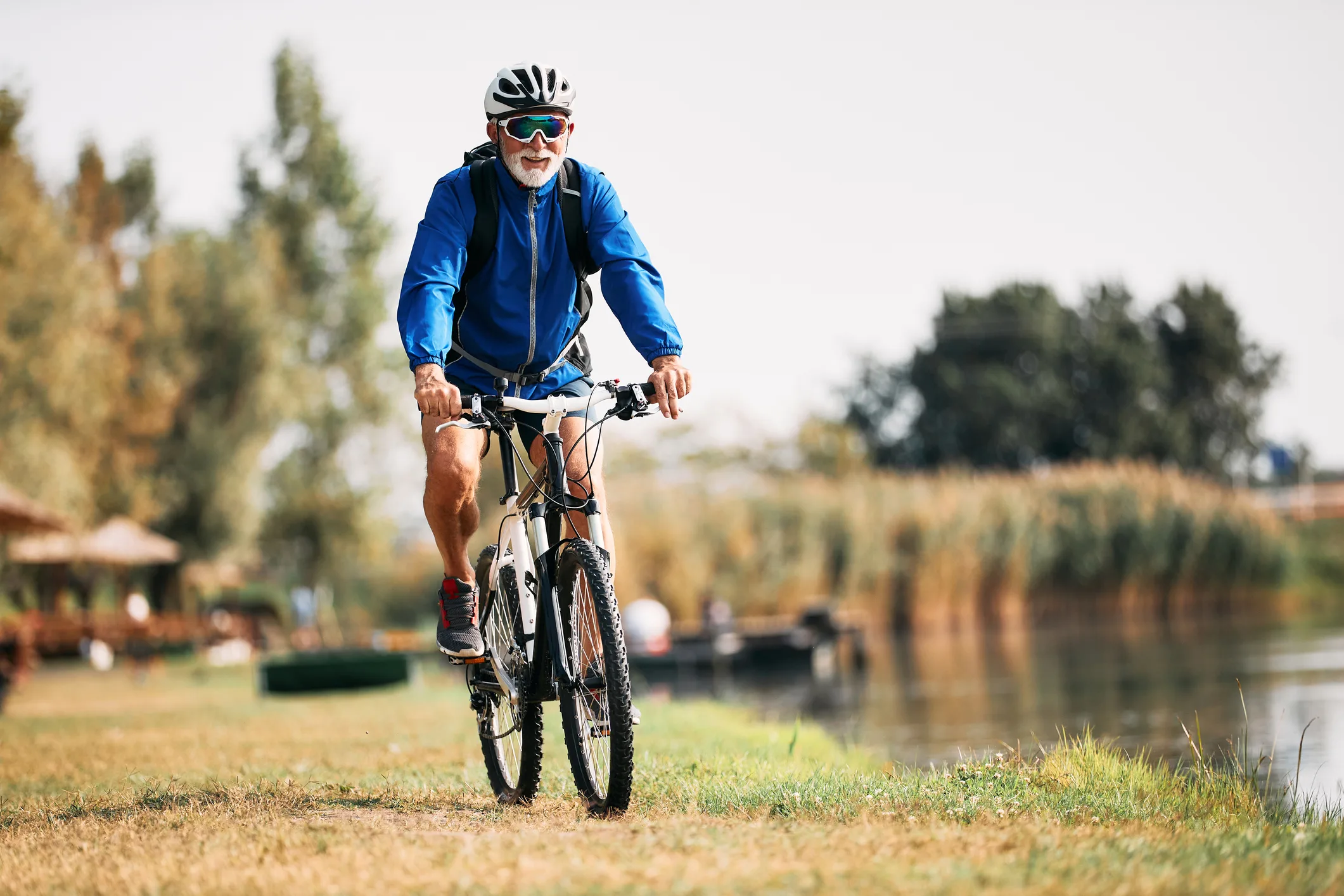
Pivot to Low-Impact Neurochemical Equivalents: You can maintain BDNF production and cardiovascular health without subjecting your joints to high-impact forces. Activities like road cycling, rowing, swimming, and brisk incline walking deliver similar endorphin releases while preserving articular cartilage.
-
Preserve Your Social Circle: Identity loss is often amplified by isolation. Stay connected to your athletic community by volunteering at local races, joining walking groups, coaching younger runners, or coordinating club events.
-
Shift Focus to Functional Longevity: Reframe your physical goals from performance markers (such as marathon times or mile paces) to functional health metrics—balance, core strength, joint mobility, and fall prevention. Strength training and balance exercises directly preserve independence as you age.
Takeaway
While trading in your marathon shoes for a stationary bike or walking poles may not carry quite the same rugged allure, your knees will almost certainly stop writing angry letters to management. Aging gracefully isn’t about surrendering physical capability; it’s about outsmarting Father Time with low-impact logistics. You might not be sprinting past anyone on the trail anymore, but you still get to enjoy the fresh air—and at a pace where you can actually appreciate the scenery.
Source: