If you’ve ever found yourself power-walking past younger folks at the grocery store, take heart. Beyond reaching the produce aisle first, picking up the pace might actually be shielding your brain. We are familiar with “SuperAgers”—those enviable octogenarians with memory recall that rivals a college student’s. Now, medical science has identified another intriguing group: “super movers.” These are individuals in their 80s who walk significantly faster than their peers, and new research suggests their swift stride is far more than just a preference for getting things done quickly.
Defining the “Super Mover”
According to a landmark study published in the journal Neurology, “super movers” are defined as adults aged 80 and older whose natural walking speed is at least 1.5 standard deviations above the average for their age and biological sex. In simple terms, they walk faster than roughly 90% to 93% of their peers, often matching the typical walking pace of adults decades younger.
To evaluate the impact of this physical trait on cognitive long-term health, researchers tracked data across major aging cohorts:
- Large-Scale Tracking: An analysis of nearly 4,000 adults aged 80 and older followed over three to five years revealed that super movers had approximately half the risk of developing cognitive impairment compared to non-super movers.
- Imaging & Memory Preservation: Detailed neuroimaging (MRI) and cognitive testing showed that super movers experienced a significantly slower decline in memory and processing speed. They also displayed better preservation of brain volume in key structural regions, particularly the hippocampus—the area essential for learning and navigation.
- Lower Pathology Prevalence: A cohort study involving postmortem brain analysis and clinical tracking demonstrated that super movers maintained superior overall cognitive performance and had a substantially lower prevalence of clinically diagnosed Alzheimer’s disease and other forms of dementia.
The Neurological Complexity of Walking
To the casual observer, walking appears effortless. However, motor control experts emphasize that upright bipedal locomotion is a high-level neurological task.
“Walking seems simple because many of us do it without consciously thinking about it, but in fact it is a complex activity. The brain coordinates muscles and nerves while also processing information about balance, vision and the environment around us.”
— Dr. Leana Wen, Emergency Physician and Clinical Associate Professor at George Washington University
When navigating a standard sidewalk, the brain must continuously:
- Process real-time visual input to gauge depth, distance, and hazards.
- Coordinate complex neuromuscular signaling across the spine, core, and lower extremities.
- Integrate balance cues from the inner ear while simultaneously making executive decisions about speed and path correction.
Because locomotion relies on the seamless interaction of multiple cortical and subcortical pathways, a brisk, fluid gait serves as a real-time output metric of overall central nervous system integrity.
Correlation vs. Causation: Is Fast Walking the Cause or the Signal?
A critical nuance highlighted by researchers is that walking speed and cognitive health share an association, but not necessarily a direct cause-and-effect relationship.
- A Marker of Resilience: A fast gait into one’s 80s may not directly prevent neurodegeneration, but rather act as a clinical indicator of high biological resilience.
- Confounding Variables: Super movers often possess a combination of systemic advantages, including lower lifelong burdens of cardiovascular disease, higher average levels of physical activity, optimized nutritional habits, and genetic traits that protect both muscular and neural tissue.
- The “Dual Decliner” Effect: Conversely, longitudinal studies in geriatrics show that a simultaneous drop in walking speed and cognitive processing—known as a “dual decline”—frequently precedes formal dementia diagnoses, reinforcing how closely gait and neural signaling are bound together.
Can You Train to Become a Super Mover in Your 60s or 70s?
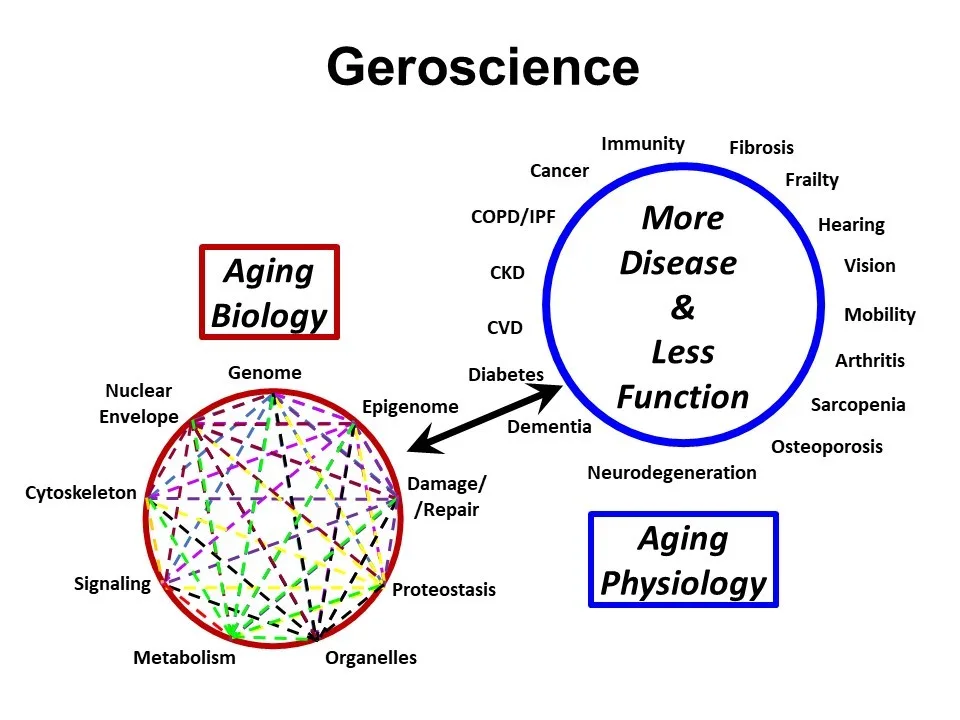
For adults currently in their 60s or 70s who do not naturally walk fast, physical decline is far from inevitable. Research confirms that neuromuscular adaptations can be achieved regardless of age.
A study published in the journal Geriatrics followed older adults over an average of 12 years and found that up to 45% of participants aged 65 and older successfully improved their physical or cognitive function over time.
Evidence-Based Interventions to Build Gait Speed & Cognitive Resilience
| Target Area | Recommended Exercise / Practice | Clinical Objective |
|---|---|---|
| Lower-Body Power | Progressive resistance training (squats, step-ups, leg presses) | Preserves Type II fast-twitch muscle fibers required for propulsion and swift stride cadence. |
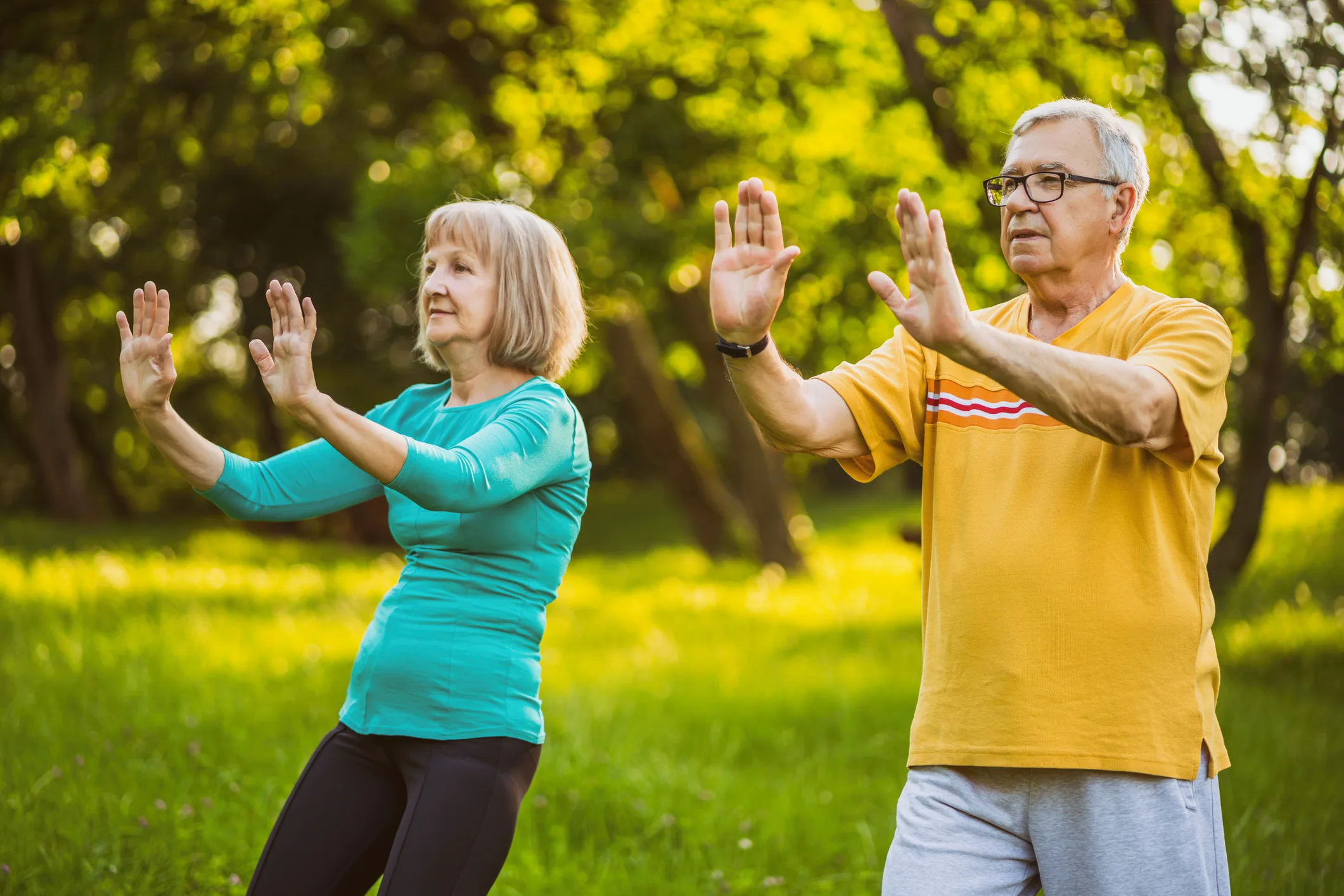
| Balance & Dynamic Control | Single-leg stands, tandem walking, or Tai Chi | Enhances proprioception and reduces fall risk during high-speed transitions. |
| Aerobic Capacity | Interval walking (alternating brisk 1-minute bursts with normal walking) | Improves cardiovascular output and cerebral blood flow. |
| Cognitive Integration | Dual-task walking (reciting words or solving simple math while maintaining pace) | Strengthens the brain’s executive control over motor tasks. |
Takeaway
If your current walking pace is more “leisurely stroll” than “catching a connecting flight,” there is no need to panic. The point isn’t to turn every morning walk into an Olympic sprint, but rather to recognize that your stride is a valuable barometer of your overall health. So, the next time you feel like picking up the pace on your daily outing, go for it—your legs, your heart, and your hippocampus will all thank you.