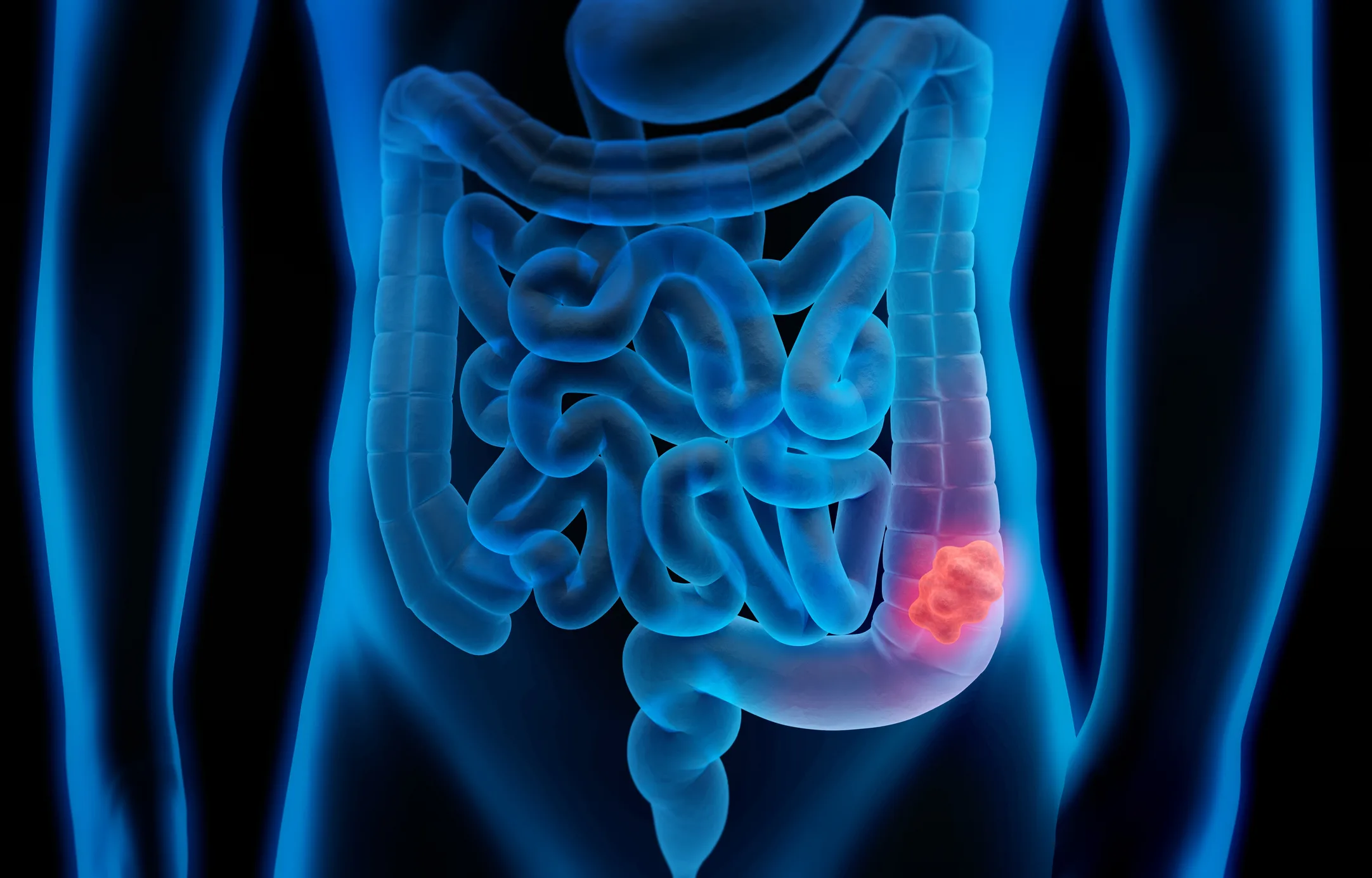
You may not realize it, but the human body actually has 3 types of fat tissue. White, Brown and Beige (where Beige is a combination of White and Brown). And it’s Brown fat that is truly amazing.
White fat stores extra energy. You’ll find it in your thighs, hips and stomach. When you consume extra calories, you build up white fat. People who are obese have too much white fat which increases their risk of type 2 diabetes and other diseases.
Brown fat on the other hand is packed with Mitochondria. Mitochondria burns chemical energy to create heat and help maintain body temperature. In fact, brown fat takes in nutrients like white fat and sugar and breaks them down to make energy. Lean people typically have more brown fat than overweight people. Women also tend to have more than men.
When you are initially born, you have a lot of brown fat behind you shoulder blades. This is because newborns can’t shiver, which is one of the ways the body creates heat. Brown fat acts as a built-in heater. You lose most of it as you get older and form a shiver response to cold temperatures.
Bears also store a significant amount of brown fat. During hibernation, a bear’s metabolism slows down significantly. This means they produce very little body heat. Brown fat helps them stay warm by generating heat.
So how can you increase your brown fat?
Brown fat is a good thing. So, researchers are trying to determine which cells or mechanisms cause the body to produce more brown fat. One study found that exposing people to colder weather then they are used to for extended periods causes an increase in their brown fat volume. People who slept in a room at 66 °F for a month in a bed with sheets only and wearing standard hospital clothing saw a 42% increase in brown fat volume and 10% increase in fat metabolic activity. Additionally, certain dietary components, such as capsaicin found in chili peppers, can activate brown fat and improve metabolic health.
Takeaway
Researchers continue to search for and develop drugs that can increase brown fat. Most of the research has found drugs that increase brown fat as a side effect, but not as a direct result. One such drug, mirabegron, is used to treat overactive bladder (OAB) and neurogenic detrusor overactivity (NDO). Could this bring a new era in drugs similar to GLP-1? Only time will tell.
Source:
Uncovering the origins of brown fat
Cool Temperature Alters Human Fat and Metabolism
Brown Fat and Nutrition: Implications for Nutritional Interventions